• → European Space Agency

      • Space for Europe
      • Space News
      • Space in Images
      • Space in Videos
    • About Us

      • Welcome to ESA
      • DG's News and Views
      • For Member State Delegations
      • Business with ESA
      • ESA Exhibitions
      • ESA Publications
      • Careers at ESA
    • Our Activities

      • Space News
      • Observing the Earth
      • Human Spaceflight
      • Launchers
      • Navigation
      • Space Science
      • Space Engineering
      • Operations
      • Technology
      • Telecommunications & Integrated Applications
    • For Public

    • For Media

    • For Educators

    • For Kids

    • ESA

    • Intellectual Property Rights

    • Intellectual Property
    • What is intellectual property?
    • ESA and IP

      • IP policy at ESA
      • ESA and patents
      • ESA and trademarks
      • ESA and copyright
      • ESA and technology transfer outside Member States
      • ESA and software
      • Commercialisation of IP at ESA
    • Patents

      • Patents
      • About patents
      • Registering a patent
      • Patents and software
    • Trademarks

      • Trademarks
      • About trademarks
      • Registering a trademark
    • Industrial designs

      • Industrial designs
      • About industrial designs
      • Registering an industrial design
    • Semiconductor products

      • Semiconductor products
      • About semiconductor products
      • Registering a topography of a semiconductor product
    • Copyright and neighbouring rights

      • About copyright and neighbouring rights
      • Protecting a work under copyright law
      • Copyright and databases
      • Copyright and software
    • Unfair competition

      • Unfair competition
      • Protection against unfair competition
    • Trade secrets

      • Trade secrets
      • About trade secrets
      • Trade secrets and other IPRs
    • Confidentiality agreement

      • Confidentiality agreements
      • About confidentiality agreements
    • Services
    • Frequently asked questions

    ESA > About Us > Industry > Intellectual Property Rights

    Patents and software

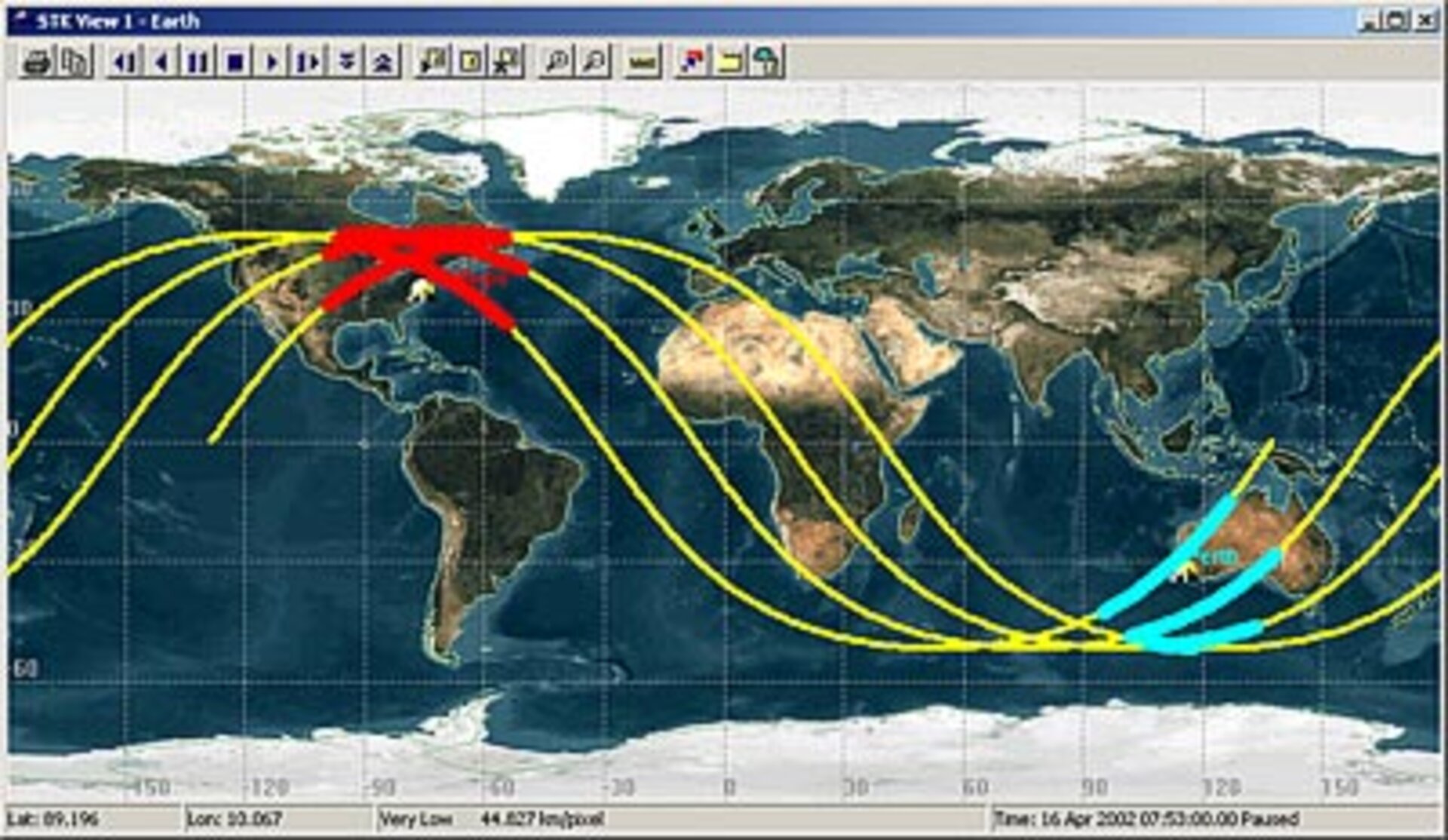
    STK output / result

    Patents are one way of legally protecting a software. They are not granted for the software itself, referred to as software “as such”, but for an invention that uses innovative software to produce a useful result. These inventions are called ‘software-based’ or ‘computer-implemented inventions’.

    For a patent to be issued the invention described in the application must produce a technical effect. The use of the software should lead to a technical result or solve a technical problem as it must have an industrial application.

    Software-related inventions that have qualified for patents often involve software that connects to, and runs, hardware components. The combined software and hardware are also patentable, i.e. a process or method used by software as well as the machine aspect of the invention.

    Proposal for Directive on the patenting of computer-implemented inventions

    The European Commission considered that a “significant barrier to trade in patented products within the Internal Market exists due to the fact that certain inventions can be protected in some Member States but not others.” Therefore, in February 2002 it introduced a proposal for a Directive on the patenting of computer-based inventions, to harmonise the way in which European national patent laws deal with inventions using software. However, in 2005 the text finally did not pass the European Parliament.

    Is double protection possible?

    Both copyright and patent can be used to protect a software. Copyright may protect the programme as such, the programme’s literal expression and perhaps its structure, sequence and organisation. A patent may be issued on the programme’s innovative approach to solving a particular problem or producing a particular result in a computer-related invention.

    Patent protection offers broader rights than copyright protection because a patent creates a monopoly over the technical solution it covers, whereas copyright only protects the expression itself.

    Nevertheless, it is much easier and less expensive to obtain copyright protection than patent protection. Plus, the more restricted copyright protection lasts longer than the greater protection granted by patents.

    It is advisable to display the copyright notice on each software programme and to file for patent protection to cover an innovative computer-related invention.

    Rate this

    Views

    Share

    • Currently 0 out of 5 Stars.
    • 1
    • 2
    • 3
    • 4
    • 5
    Rating: 0/5 (0 votes cast)

    Thank you for rating!

    You have already rated this page, you can only rate it once!

    Your rating has been changed, thanks for rating!

    176
    Tweet
    • More information
      • Copyright and software

    Connect with us

    • RSS
    • Youtube
    • Twitter
    • Flickr
    • G+
    • Facebook
    • Livestream
    • Subscribe
    • App Store
    • LATEST ARTICLES
    • · ESA astronaut Timothy Peake set fo…
    • · Space drives e-mobility
    • · Proba-V opens its eyes
    • · First new Galileo satellite arrive…
    • · Next destination: space
    • FAQ

    • Jobs at ESA

    • Site Map

    • Contacts

    • Terms and conditions