• → European Space Agency

      • Space for Europe
      • Space News
      • Space in Images
      • Space in Videos
    • About Us

      • Welcome to ESA
      • DG's News and Views
      • For Member State Delegations
      • Business with ESA
      • ESA Exhibitions
      • ESA Publications
      • Careers at ESA
    • Our Activities

      • Space News
      • Observing the Earth
      • Human Spaceflight
      • Launchers
      • Navigation
      • Space Science
      • Space Engineering
      • Operations
      • Technology
      • Telecommunications & Integrated Applications
    • For Public

    • For Media

    • For Educators

    • For Kids

    • ESA

    • Welcome to ESA

    • History

    • All about ESA
    • ESA's Purpose
    • Space for Europe
    • A European Vision
    • Establishments
      and facilities
    • Funding
    • Security at ESA
    • Publications
    • A European agency...
    • ESA and the EU
    • European milestones
    • European Space Policy
    • New Member States
    • European Cooperating States
    • Download
    • ESA Annual Report 2011
    • ESA Annual Report 2010
    • ESA Annual Report 2009
    • ESA Annual Report 2008
    • ESA 'e-book' presentation (pdf)
    • ESA presentation (FR)
    • ESA presentation (IT)
    • ESA presentation (ES)
    • ESA presentation (DE)
    • ESA Convention
    • DG's Agenda 2015 (reader/pdf)

    ESA > About Us > Welcome to ESA

    Space medicine

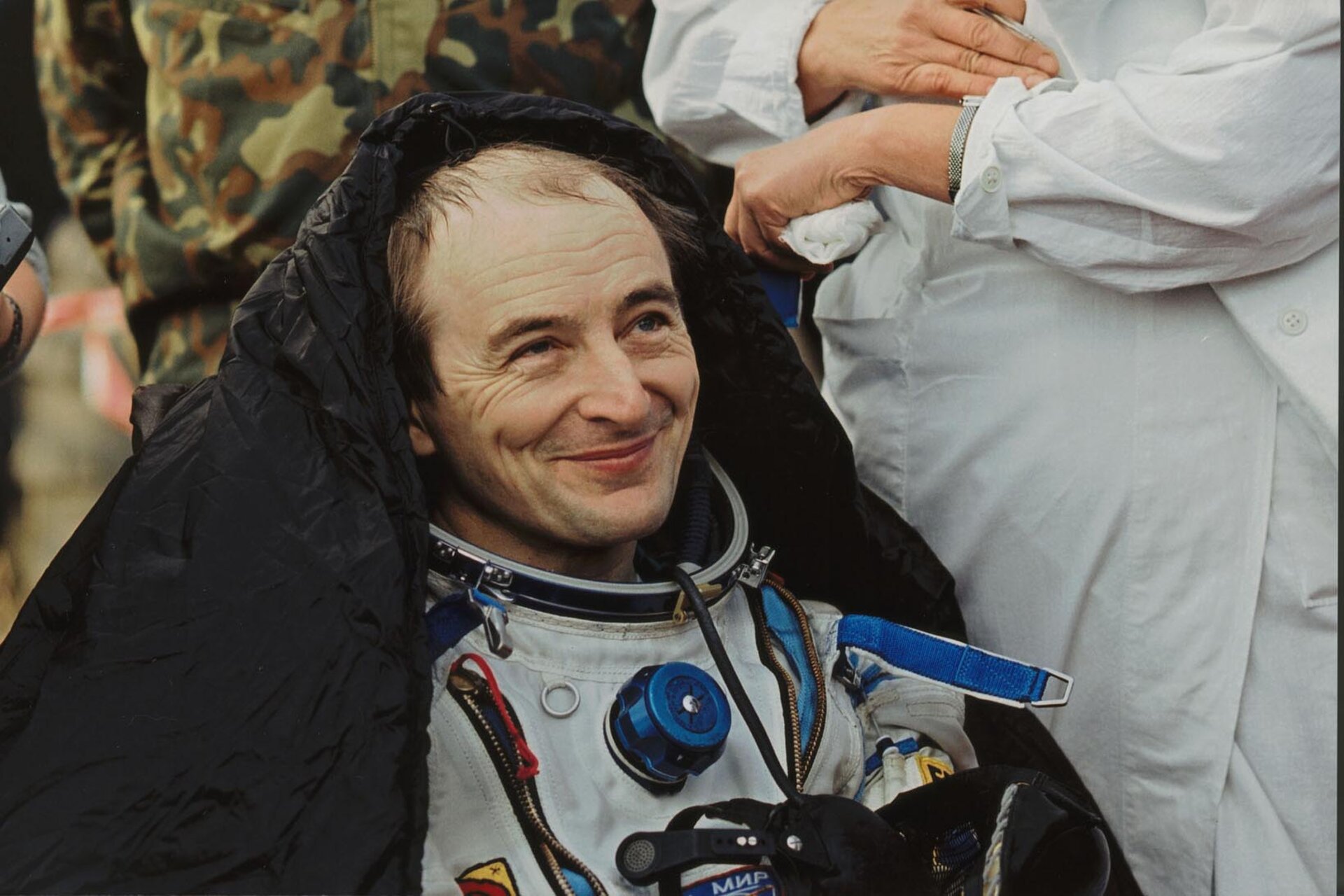
    Jean-Pierre Haigneré returns from MIR

    The primary concerns of space medicine are the health and safety of the astronauts, the subtle changes to the human body that occur in weightless conditions, and the hazards of irradiation by solar protons and cosmic rays.

    The Medical Operations team at the European Astronauts Centre is responsible for the wellbeing of astronauts before, during and after spaceflight. But there is growing interest in the contribution that space can make to medicine on the ground. For example, a Swiss-led research team will culture cartilage cells in weightless conditions on the International Space Station, with a view to re-implanting them to repair knee injuries.

    Last update: 14 October 2004

    Rate this

    Views

    Share

    • Currently 0 out of 5 Stars.
    • 1
    • 2
    • 3
    • 4
    • 5
    Rating: 0/5 (0 votes cast)

    Thank you for rating!

    You have already rated this page, you can only rate it once!

    Your rating has been changed, thanks for rating!

    54
    Tweet
    • Related links
    • Space medicine for Euromir 95
    • Radiation hazards in space (.pdf file)
    • Cartilage experiment

    Connect with us

    • RSS
    • Youtube
    • Twitter
    • Flickr
    • G+
    • Facebook
    • Livestream
    • Subscribe
    • App Store
    • LATEST ARTICLES
    • · Proba-V opens its eyes
    • · First new Galileo satellite arrive…
    • · Next destination: space
    • · Leak repaired on International Spa…
    • · After Chelyabinsk: European expert…
    • FAQ

    • Jobs at ESA

    • Site Map

    • Contacts

    • Terms and conditions