• → European Space Agency

      • Space for Europe
      • Space News
      • Space in Images
      • Space in Videos
    • About Us

      • Welcome to ESA
      • DG's News and Views
      • For Member State Delegations
      • Business with ESA
      • ESA Exhibitions
      • ESA Publications
      • Careers at ESA
    • Our Activities

      • Space News
      • Observing the Earth
      • Human Spaceflight
      • Launchers
      • Navigation
      • Space Science
      • Space Engineering
      • Operations
      • Technology
      • Telecommunications & Integrated Applications
    • For Public

    • For Media

    • For Educators

    • For Kids

    • ESA

    • United Kingdom

    • All about ESA
    • ESA facts and figures
    • ESA's Director General
    • Frequently asked questions
    • Business with ESA
    • ESA in the UK
    • Harwell
    • ESERO UK
    • Publications
    • United Kingdom Space Activity 1957-1987
    • Multimedia
    • Multimedia gallery
    • Online videos
    • Earth images gallery
    • Press
    • Press releases
    • Resources
    • UK Space Directory
    • Follow us
    • ESA on Twitter
    • ESA on Flickr
    •  ESA on YouTube
    • ESA on Livestream
    • Services
    • RSS feeds

    ESA > ESA in your country > United Kingdom

    Scientists and engineers still waiting to hear from Beagle 2 on Mars

    27 December 2003

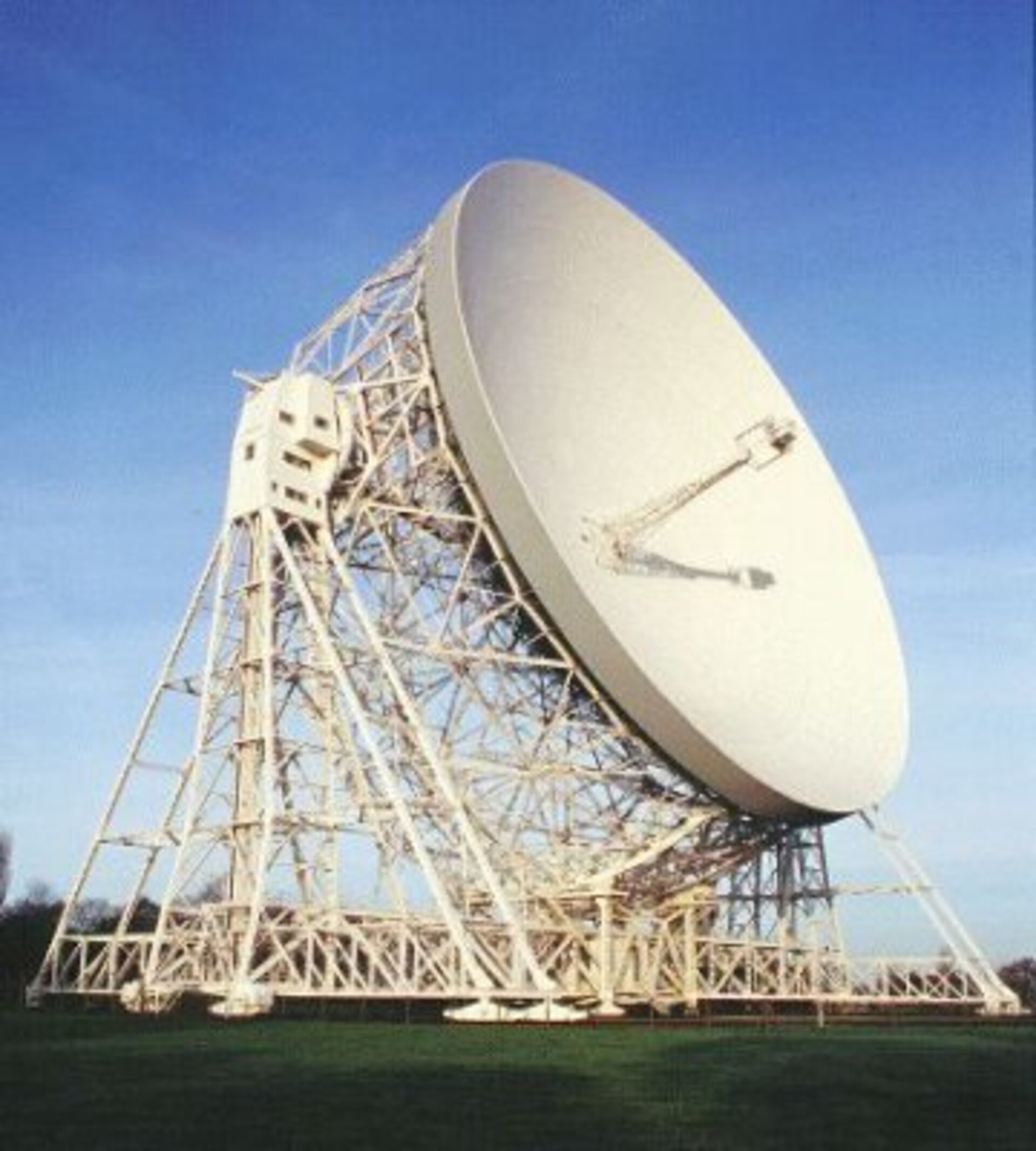
    Two attempts to communicate with Beagle 2 during the last 24 hours - first with the 76 metre (250 feet) Lovell Telescope at Jodrell Bank Observatory in Cheshire, UK, and then this morning with the Mars Odyssey orbiter - ended without receiving a signal. Despite this outcome, fresh attempts to scan for a signal from Beagle 2 will be made over the coming days.

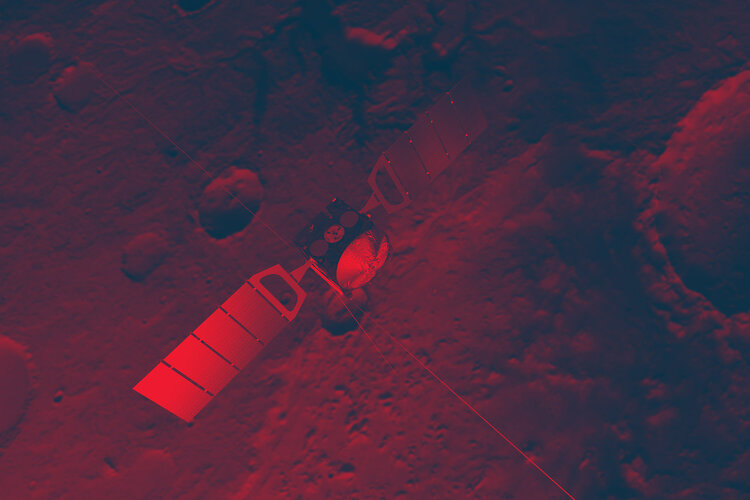
    Meanwhile, scientists and engineers are eagerly awaiting ESA's Mars Express spacecraft return close enough to Mars to try to establish contact with Beagle 2. This may be possible from 4 January 2004.

    Mars Express was always intended to be the prime communication relay for Beagle 2, and the lander team is hopeful that a link can be established at that time if it has not already been achieved with Mars Odyssey.

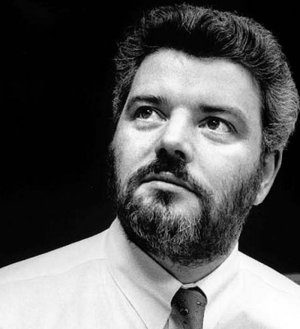
    "We need to get Beagle 2 into a period when it can broadcast for a much longer period," says Professor Colin Pillinger, Beagle 2 lead scientist. "This will happen around the 4 January after the spacecraft has experienced a sufficient number of communication failures to switch to automatic transmission mode."


    Both Professor Pillinger and Professor David Southwood, ESA Director of Science, agreed that the best chance to establish communication with Beagle 2 would now seem to be through Mars Express.

    At present, Mars Express is far from the planet and preparing to fire its engines for a major trajectory change that will move it into a polar orbit around Mars.

    "We will have no satisfaction until we have a full mission" said Professor Southwood. "Today I'm certainly frustrated, but I'm still confident: let's wait now until the mothership will have the possibility to get in contact with her baby. With Mars Express we will be using a system that we have fully tested and understand."
    Rate this

    Views

    Share

    • Currently 0 out of 5 Stars.
    • 1
    • 2
    • 3
    • 4
    • 5
    Rating: 0/5 (0 votes cast)

    Thank you for rating!

    You have already rated this page, you can only rate it once!

    Your rating has been changed, thanks for rating!

    37
    Tweet
    • Looking at Mars
    • More about...
      • Christmas on Mars: be there with ESA
        • Getting it right: An interview with Rudi Schmidt
          • Testing times: An interview with Con McCarthy
            • A giant step for Europe: An interview with Michael McKay
            • Related links
            • Beagle 2 lander homepage

    Connect with us

    • RSS
    • Youtube
    • Twitter
    • Flickr
    • G+
    • Facebook
    • Livestream
    • Subscribe
    • App Store
    • LATEST ARTICLES
    • · ESA astronaut Timothy Peake set fo…
    • · Space drives e-mobility
    • · Proba-V opens its eyes
    • · First new Galileo satellite arrive…
    • · Next destination: space
    • FAQ

    • Jobs at ESA

    • Site Map

    • Contacts

    • Terms and conditions