• → European Space Agency

      • Space for Europe
      • Space News
      • Space in Images
      • Space in Videos
    • About Us

      • Welcome to ESA
      • DG's News and Views
      • For Member State Delegations
      • Business with ESA
      • ESA Exhibitions
      • ESA Publications
      • Careers at ESA
    • Our Activities

      • Space News
      • Observing the Earth
      • Human Spaceflight
      • Launchers
      • Navigation
      • Space Science
      • Space Engineering
      • Operations
      • Technology
      • Telecommunications & Integrated Applications
    • For Public

    • For Media

    • For Educators

    • For Kids

    • ESA

    • Human Spaceflight

    • Astronauts

    • International Space Station

    • Research

    • Education

    • About Education
    • What we do & why we do it
    • @ESAHSOeducation
    • Browse lessons by

      • Age range

        • Primary level

          • Columbus: Past, present and future…
          • The Eclipse that saved Columbus
          • The Automated Transfer Vehicle
          • ATV: a very special delivery
          • Life in Space
          • A drop of water
          • Primary level ISS Education Kit - downloads
          • PromISSe educational experiments
          • Greenhouse in space
        • Secondary level

          • Ingredients for Life: On Earth and in Space
          • Spaceship Earth
          • ATV: a very special delivery - Lesson notes
          • Bubbles in space
          • Lesson plan for use with the ISS Education Kit on the web
          • A space compass
          • Bugs in Space
          • Space (fluid) oddities
          • Science fiction - science fact
          • Searching for the Missing Universe
          • Feeding our future – nutrition on Earth and in space
          • Newton in space
          • Body space
          • Space matters
          • Space robotics
          • ISS 3-D Teaching Tool: Spaceflight Challenge I
          • Take your classroom into space
          • ISS Education Kit - downloads
          • Do objects have weight in space?
          • Exploring capillarity
          • Greenhouse in space
        • University level

          • SpaceMaster
          • Life in Space
          • EuMAS
      • Mission

        • Astrolab

          • A space compass
          • Space robotics
        • OasISS

          • Life in Space
          • A drop of water
          • Bubbles in space
          • Take your classroom into space
          • Do objects have weight in space?
          • Exploring capillarity
        • PromISSe

          • Radiation
          • Balance in space
          • Immunology
          • Ingredients for Life: On Earth and in Space
          • PromISSe educational experiments
        • Eneide

          • ISS DVD Lesson series
        • Delta

          • Body space
        • Columbus

          • Columbus: Past, present and future…
          • The Eclipse that saved Columbus
          • Bugs in Space
          • Space (fluid) oddities
        • Cervantes

          • Newton in space
        • MagISStra

          • Greenhouse in space
      • Subject

        • Physics

          • Radiation
          • Bubbles in space
          • Lesson plan for use with the ISS Education Kit on the web
          • A space compass
          • Science fiction - science fact
          • Searching for the Missing Universe
          • Newton in space
          • Space matters
          • Space robotics
          • Take your classroom into space
          • Do objects have weight in space?
          • Exploring capillarity
          • PromISSe educational experiments
        • History

          • Columbus: Past, present and future…
          • The Eclipse that saved Columbus
        • Earth sciences

          • What is radiation?
        • Chemistry

          • Foam
        • Biology

          • Balance in space
          • Body space
          • Bugs in Space
          • Greenhouse in space
          • Immunology
          • Ingredients for Life: On Earth and in Space
          • Feeding our future – nutrition on Earth and in space
          • ISS 3-D Teaching Tool: Spaceflight Challenge I
          • ISS education kit
    • ISS Education Fund

      • What is the ISSEF?
      • Funding participants
      • Honorary participants
      • What does the ISSEF do?
      • ISSEF funding
      • Who can participate?
      • Benefits of participation
      • Application form
    • Services
    • Subscribe
    • RSS feeds

    ESA > Our Activities > Human Spaceflight > Education

    'Space Team' prepares for the new school year

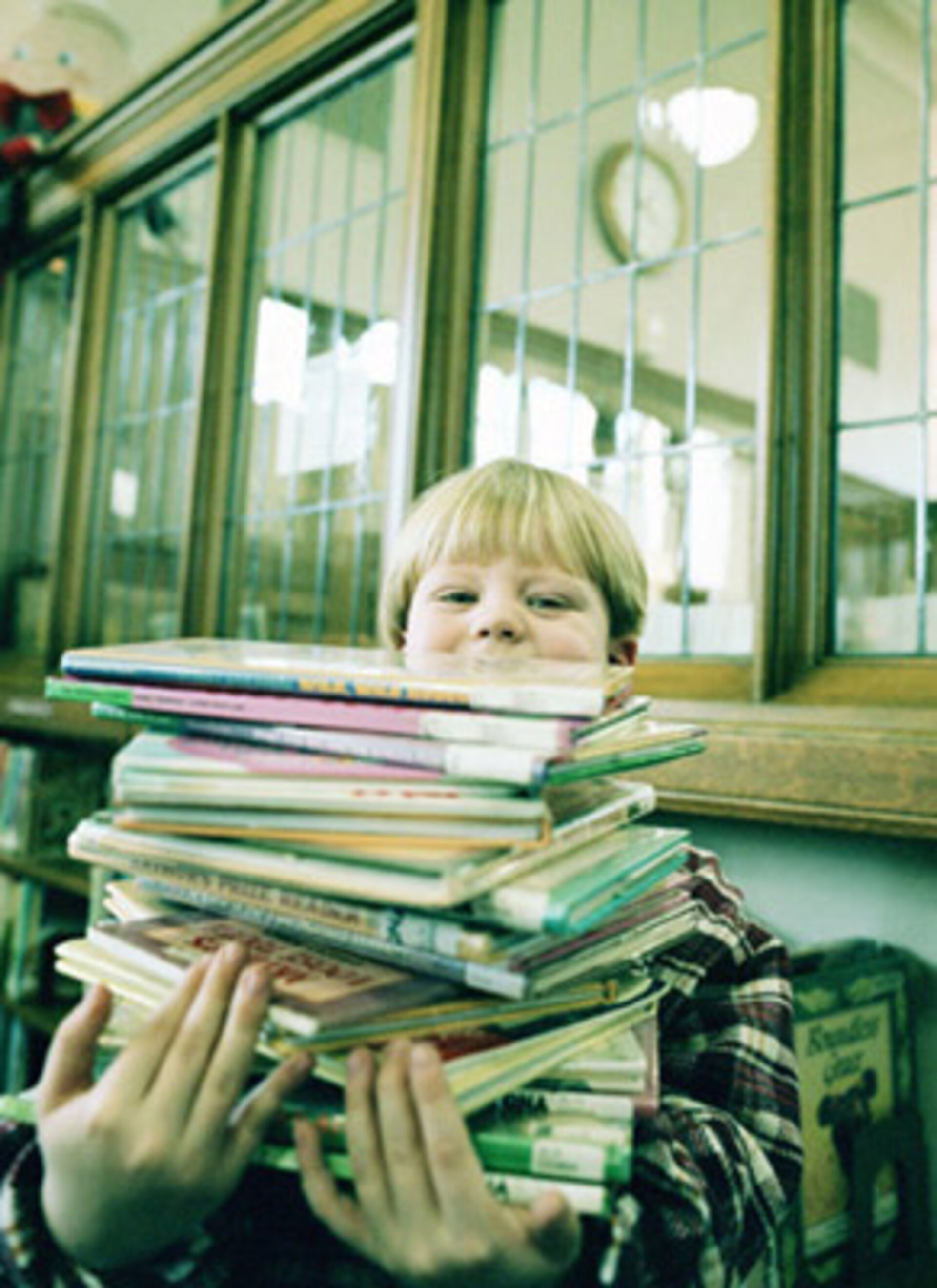
    Boy holding a stack of picture books
    Back to school with 'Space Team'
    31 August 2004

    As the summer comes to an end, the children are starting to go back to school... and so is the 'Space Team'. The new online educational material for primary schools has just passed a month-long review by 40 teachers and education professionals, as well as European Space Agency scientists and engineers: it is now being prepared to go online for the new school year.

    Workshop

    On 3 and 4 July, a workshop for primary school teachers, education professionals and ESA experts, was held at ESTEC, ESA's research and technology centre in the Netherlands. Reviewing the 'Space Team' educational material, they reported back that they found the activities diverse and very interesting. Highly valuable advice was given on the presentation of activities and how to make them attractive to children (and their teachers). Over the summer, more ESA experts have read, reviewed and validated the scientific and technical content of 'Space Team'.

    Lessons and activities
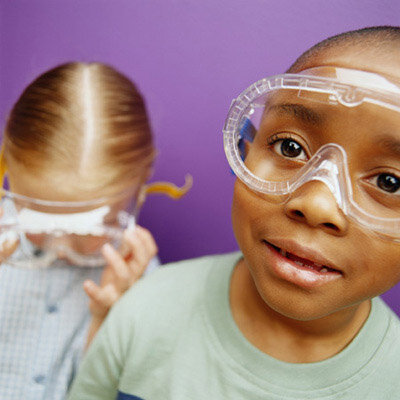
    Using the 'Space Team' website, primary school teachers will have access to 18 lessons and over 80 activities for use in the classroom. The website's human spaceflight theme will address curriculum topics including Art, Science, Geography, Languages, and Technology.

    For example, the children can:

    • Imagine themselves as Leonardo Da Vinci in the International Space Station (ISS), inventing gadgets to make it easier to live in space;
    • Colour, cut, paste and launch a paper rocket using a photo roll container and a soluble vitamin tablet;
    • Make their own space puppet theatre with a few pieces of wood, some paint and a bit of imagination;
    • Experience how it feels to be an astronaut during a spacewalk, using roller blades;
    • Role-play Mission Control activities during a mission to the ISS;
    • Pass messages in Morse code;
    • And many more exciting activities…

    The lessons are organised around six major themes: being an astronaut, travelling to space, being weightless, the ISS, communicating with space and the view from space.

    'Space Team' may appear to be a self-standing project, but it is much more than that. It is a framework that will keep on changing, growing and diversifying - following the latest space news and incorporating teacher feedback. That's the advantage of a website.


    Space missions
    Colourful
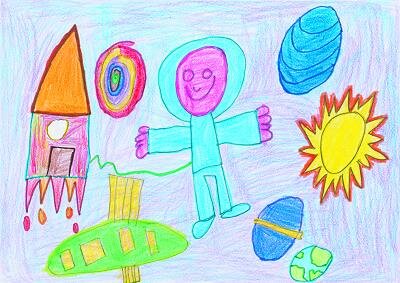
    'Habla ISS' drawing contest

    Eighteen months ago, as part of the Cervantes Mission of Spanish ESA astronaut Pedro Duque to the ISS, ESA launched its first educational programme for primary schools called 'Habla ISS'. All 14 000 Spanish primary schools received a letter from Pedro Duque inviting them to play with lessons and activities from the 'Habla ISS' website. Children could also enter a drawing and story-writing contest - the winners got to talk with Pedro when he was on board the ISS.

    In an evaluation of the 'Habla ISS' project the Spanish teachers awarded an average of 9.27 marks out of 10! As a result of the positive feedback, this educational programme was repeated, under the name of 'Zeg Het ISS', during the DELTA Mission of Dutch ESA astronaut Andre Kuipers in April 2004.

    Experience and research

    Habla ISS
    Learning from experience - 'Habla ISS' and 'Zeg Het ISS'

    The experience gained by ESA during these two educational programmes has enabled us to further develop the educational content: resulting in 'Space Team'.

    Teaching young children requires a comprehensive pedagogical approach. 'Space Team' is also based on five recommendations from the latest educational research:

    1. Use space as a tool to teach across all disciplines
    2. Present interdisciplinary activities
    3. Stimulate curiosity and creativity
    4. Propose project-oriented and hands-on activities
    5. Develop collaborative skills with teamwork

    Launch

    'Space Team' will be a highly colourful and interactive website which can be accessed from ESA's Education portal. The launch of the English language website is planned for December 2004. The other ESA languages will follow soon afterwards.

    Rate this

    Views

    Share

    • Currently 0 out of 5 Stars.
    • 1
    • 2
    • 3
    • 4
    • 5
    Rating: 0/5 (0 votes cast)

    Thank you for rating!

    You have already rated this page, you can only rate it once!

    Your rating has been changed, thanks for rating!

    2
    Tweet
    • Related links
    • Habla ISS website
    • 'Zeg het ISS'
    • Cervantes mission
    • DELTA mission
    • ESA Education
    • Human Spaceflight education

    Connect with us

    • RSS
    • Youtube
    • Twitter
    • Flickr
    • G+
    • Facebook
    • Livestream
    • Subscribe
    • App Store
    • LATEST ARTICLES
    • · Proba-V opens its eyes
    • · First new Galileo satellite arrive…
    • · Next destination: space
    • · Leak repaired on International Spa…
    • · After Chelyabinsk: European expert…
    • FAQ

    • Jobs at ESA

    • Site Map

    • Contacts

    • Terms and conditions