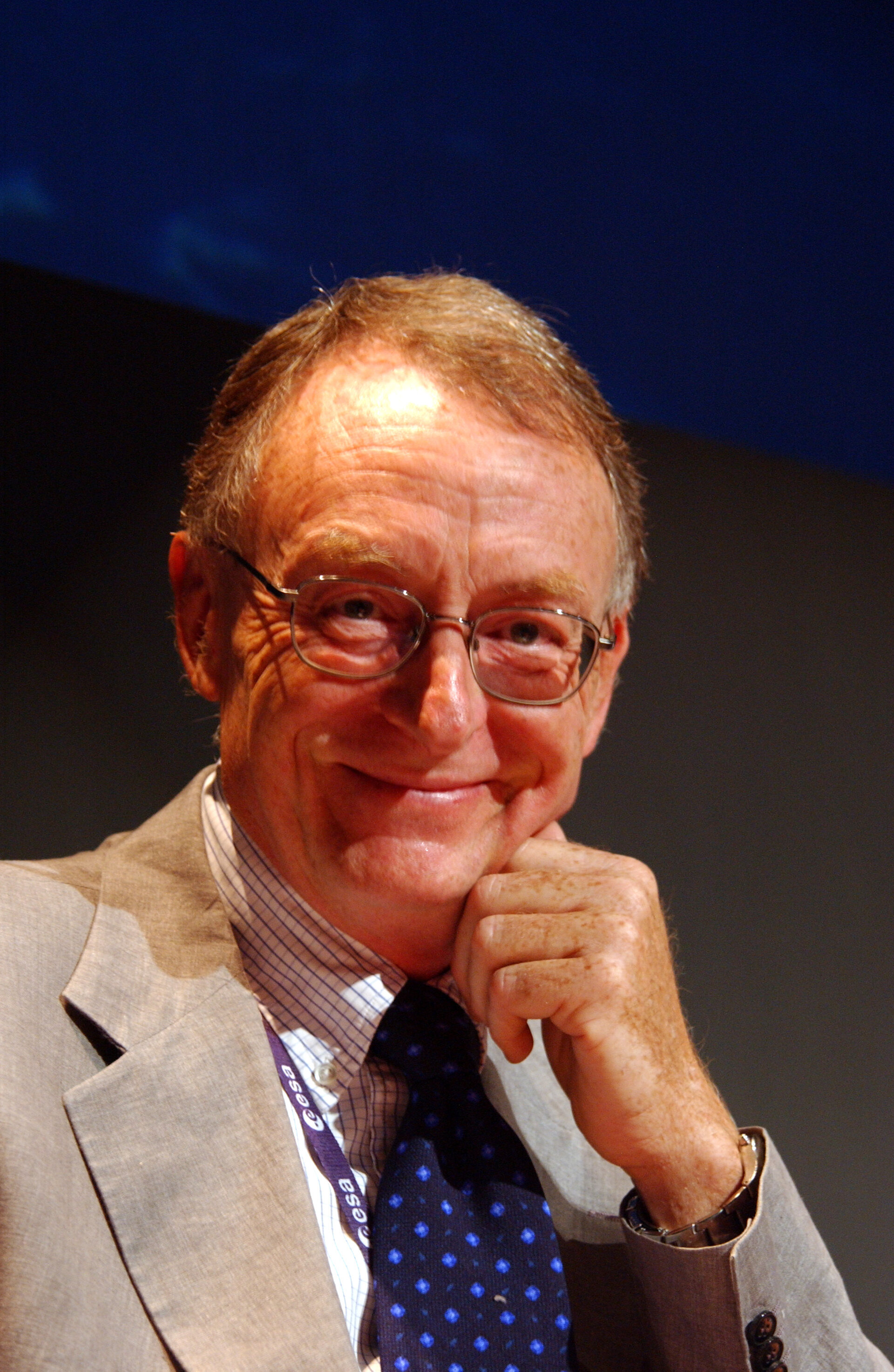
Interview with Antonio Fabrizi
ESA Director of Launchers, Antonio Fabrizi, has three cornerstones for the Launchers Programme: a European multiple launch vehicle fleet, a reorganised launch sector under the leadership of ESA and preparing for the future. Recently he gave his views on Polestar.
“Polestar is about clarification – creating a clearer decision process, and with it increased reliability in the launcher sector.
"We now have two activities running in parallel. One is reorganisation, the definition of perimeters and the legal framework for each partner’s work. The other is stabilising the nature of the launcher, and going towards a more reliable production process.
"The ideal objective is easy to understand. First, we need a solid system. A stable, solid system requires determination of the flow of processes, and then we all have to drive in the same direction. All concerned must be conscious of what’s happening, so they can change in a spontaneous way. We at ESA can’t force change in other institutions. So we have to promote change.
"So how are the players evolving? At ESA, our new role is to be the lead customer in the development of technologies and launchers. We have a mission to maintain Europe’s access to space. Thus our first priority is to serve Europe’s institutional needs – but certainly not, in the process, ignoring the market. All of Europe’s launcher development is funded by public money, but at least two thirds of production is supported by the market, compared to one third by the public sector. The market is necessary to keep the production system alive, though we would not be able to develop products with market revenues alone, nor could we recover our investment.
"CNES help us to conceive and monitor all technical activities. Their role goes beyond supporting ESA. They have the largest share of European expertise in launcher activities – and they have to maintain and grow their competencies. They’re the technical core team.
"The role of industry, of EADS-ST, for Ariane 5 is prime contractor – the coordination of development activity and production. That helps us to be more effective in budgeting and administration.
"From Arianespace, we need their ability to stay in the market, so we can develop what the market needs, and their ability to handle ground services for launches.
"In sum, we have the public sector, meaning ESA with the support of CNES, defining what we need – the specs, the budget – then giving it to EADS-ST to produce, and Arianespace sells and launches it and provides feedback from the market.
"One of our clear goals is to ensure that any changes do not affect reliability and continuity. We have a sector of at least 8000 people that has to be protected. The competitive level and the continuity of the work must be maintained. Our work is risky, and for us, technical problems are noisy disasters, with serious consequences for the economics of the sector. That’s why I’m always speaking of evolution, not revolution.
"The important thing is to increase the spirit of teamwork, not just within the sector’s institutions, but also across these institutions. And to ensure that the clarification of roles doesn’t limit what each partner can be.”