About radar altimetry
Radar altimeters measure the surface topography profile along the satellite track. They provide precise measurements of a satellite’s height above the ocean by measuring the time interval between the transmission and reception of very short electromagnetic pulses.
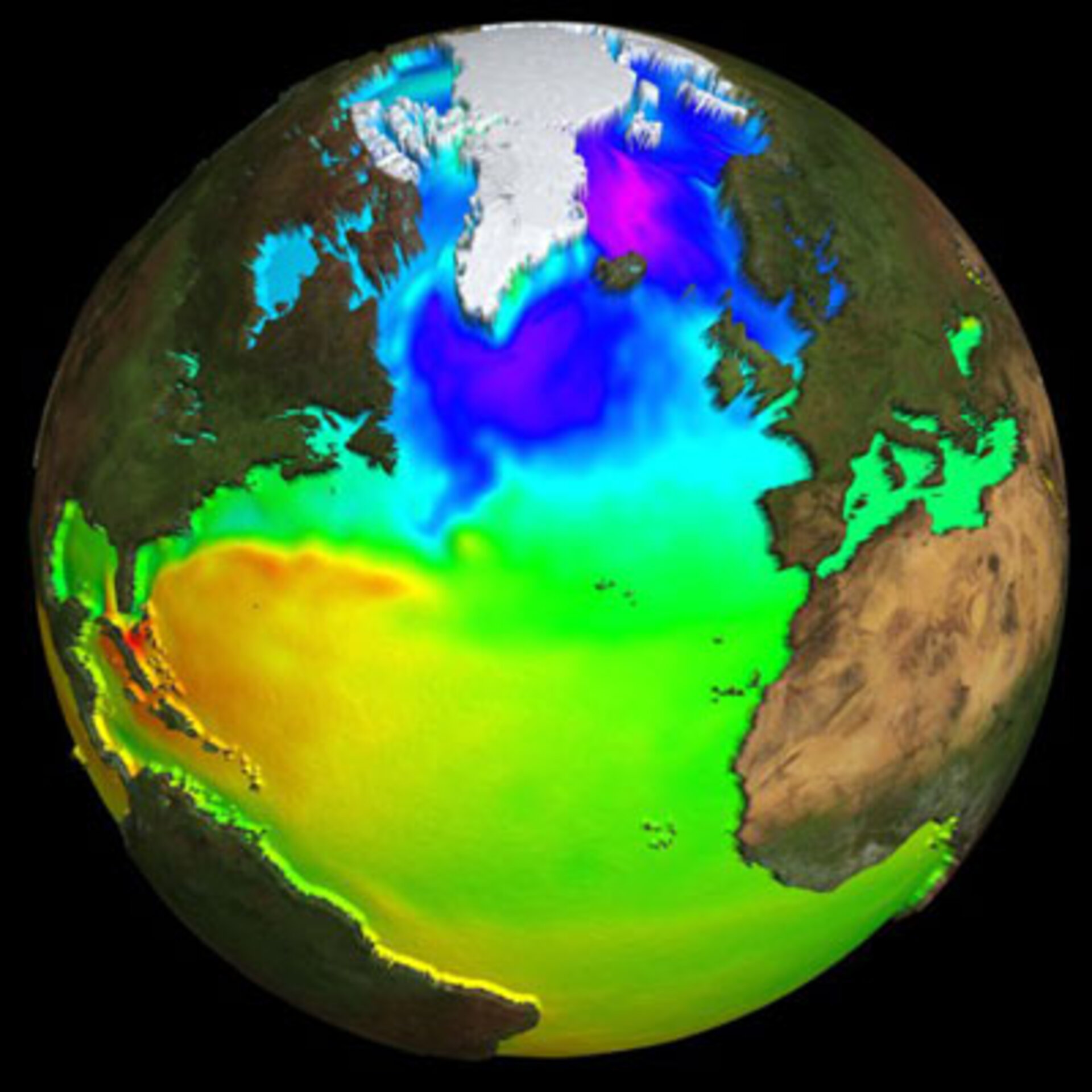
A variety of parameters may be inferred using the information from these measurements, such as time-varying sea-surface height (ocean topography), the thickness of sea ice and altitude of large icebergs above sea level, the levels of rivers and lakes, as well as the topography of land and ice sheets, and – indirectly – even that of the sea floor.
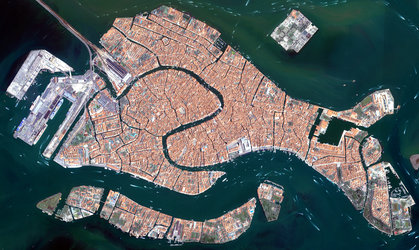
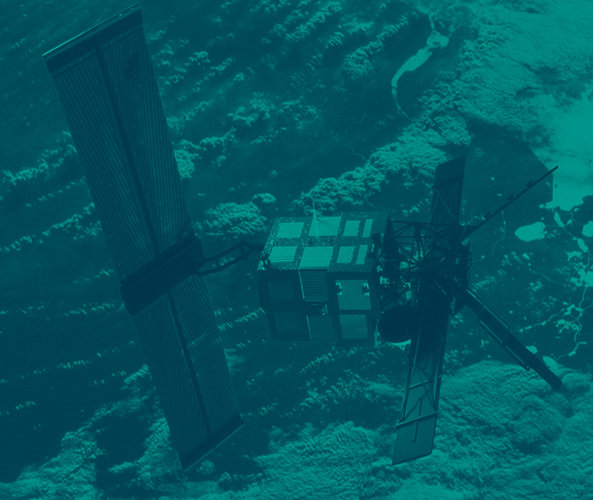
The 2012 event in Venice takes place just after the 20-year anniversary of the launch of the first European Remote Sensing satellite, ERS-1, and of the joint CNES and NASA mission TOPEX/Poseidon. Both missions carried radar altimeters. TOPEX/Poseidon was followed by the Jason-1 and -2 missions, flown in 2001 and 2008, respectively.
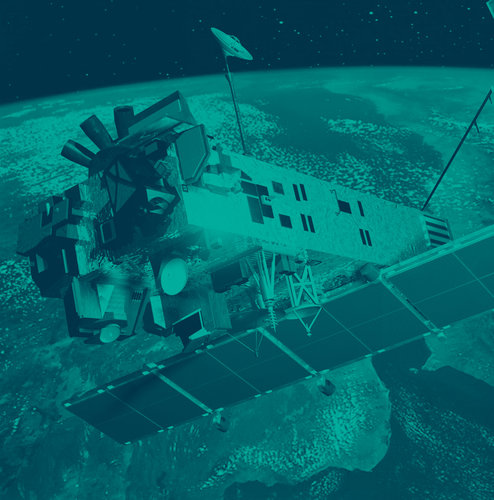
ESA’s follow-up instruments aboard ERS-2, Envisat and CryoSat have ensured the continuity of radar altimetry measurements. ESA will launch its next radar altimeters with the Sentinel-3 mission within Europe’s Global Monitoring for Environment and Security (GMES) programme.
About ESA’s Earth observation programme:
www.esa.int/eo
About the European Space Agency
The European Space Agency (ESA) is Europe’s gateway to space.
ESA is an intergovernmental organisation, created in 1975, with the mission to shape the development of Europe’s space capability and ensure that investment in space delivers benefits to the citizens of Europe and the world.
ESA has 19 Member States: Austria, Belgium, the Czech Republic, Denmark, Finland, France, Germany, Greece, Ireland, Italy, Luxem-bourg, the Netherlands, Norway, Portugal, Romania, Spain, Sweden, Switzerland and the United Kingdom, of whom 17 are Member States of the EU. ESA has Cooperation Agreements with nine other Member States of the EU and is negotiating an Agreement with the one remaining (Bulgaria). Poland is in the process of becoming ESA’s 20th Member State. Canada takes part in some ESA programmes under a Cooperation Agreement.
By coordinating the financial and intellectual resources of its members, ESA can undertake programmes and activities far beyond the scope of any single European country.
ESA develops the launchers, spacecraft and ground facilities needed to keep Europe at the forefront of global space activities. Today it launches satellites for Earth observation, navigation, telecommunications and astronomy, sends probes to the far reaches of the Solar System and cooperates in the human exploration of space.
For further information, please contact:
Robert Meisner
Communication Programme Officer for the EO Programme
ESA Communication Department
Tel: +39 06 941 80874
Fax: +39 06 941 80842
Email: Robert.Meisner@esa.int
ESA Media Relations Office
Communication Department
Tel: +33 1 53 69 72 99
Fax: +33 1 53 69 76 90
Email: media@esa.int