• → European Space Agency

      • Space for Europe
      • Space News
      • Space in Images
      • Space in Videos
    • About Us

      • Welcome to ESA
      • DG's News and Views
      • For Member State Delegations
      • Business with ESA
      • ESA Exhibitions
      • ESA Publications
      • Careers at ESA
    • Our Activities

      • Space News
      • Observing the Earth
      • Human Spaceflight
      • Launchers
      • Navigation
      • Space Science
      • Space Engineering
      • Operations
      • Technology
      • Telecommunications & Integrated Applications
    • For Public

    • For Media

    • For Educators

    • For Kids

    • ESA

    • Observing the Earth

    • Understanding Our Planet

    • Securing Our Environment

    • Benefiting Our Economy

    • About Observing the Earth

      • How does Earth Observation work?
      • How to get Earth observation data
      • Integrating Earth Observation in your job
      • Earth Observation users speak
    • EO programmes
    • The Living Planet
    • GMES
    • ESA's Earth Observing missions
    • Envisat overview
    • ERS overview
    • Earth Explorers overview
    • Sentinels overview
    • MSG overview
    • MetOp overview
    • Proba-1 overview
    • Third Party Missions overview
    • Opportunities with us

      • Education & training
      • International cooperation
      • Milestones & announcements
    • Multimedia

      • Image Gallery
      • Video Gallery
      • Online resources
      • RSS feeds
    • Services
    • Subscribe

    ESA > Our Activities > Observing the Earth

    André Kuipers: world ambassador

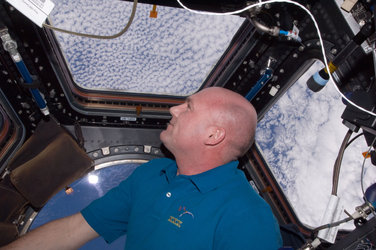
    André Kuipers
    15 May 2012

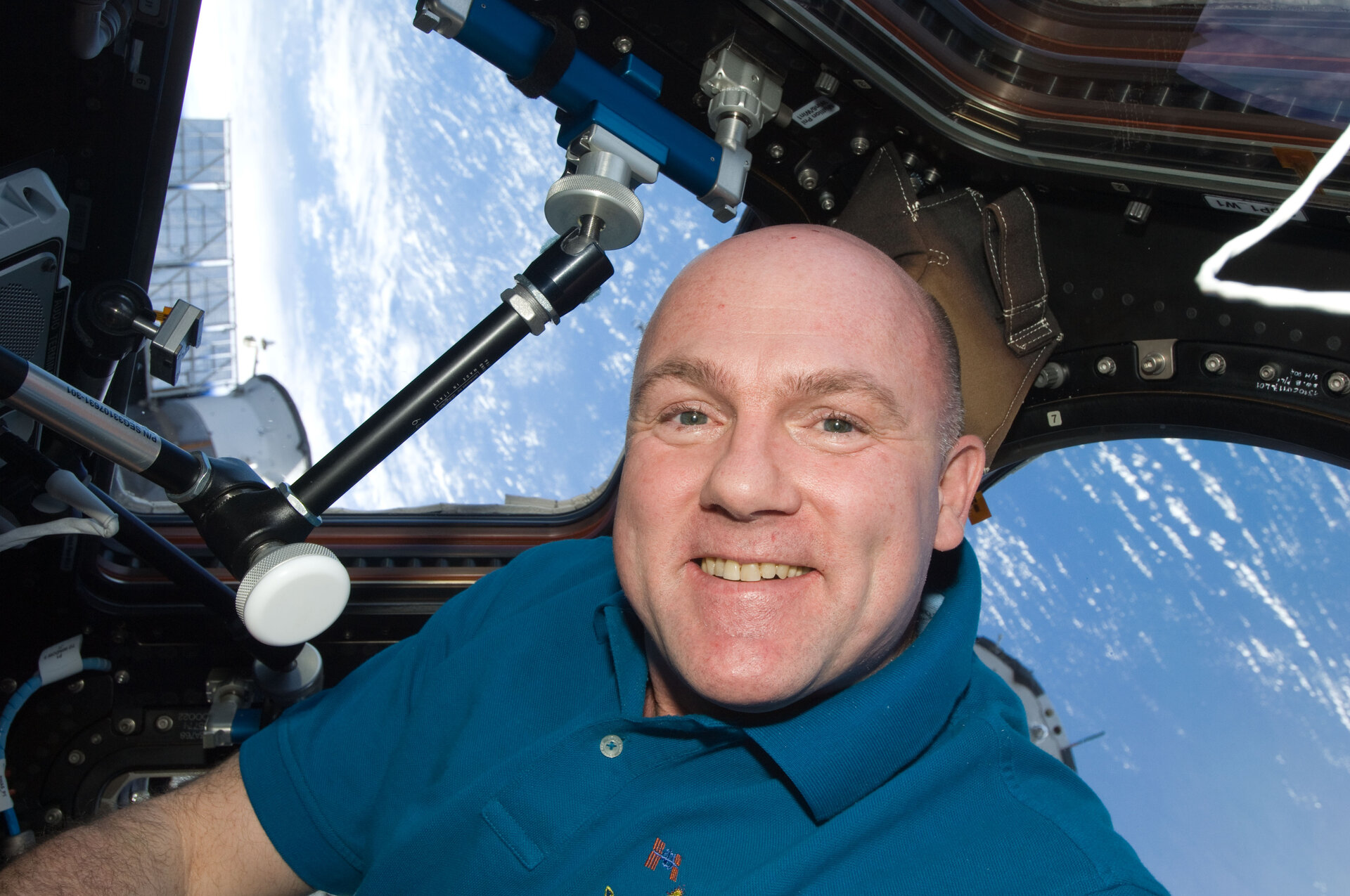
    Observing Earth from far above, ESA astronaut André Kuipers is acting as a world ambassador for the WWF, which issued its flagship publication the Living Planet Report today.

    The Living Planet Report measures changes in biodiversity by tracking 9000 populations of more than 2600 of the world’s species. André wrote the foreword to the report and is doing his part to show how fragile our world really is.

    Loading...

    We only have one Earth

    Jet contrails pictured from the Space Station
    Aircraft trails

    André has been concerned about our planet since his last mission to the International Space Station in 2004. He has been sending us images that show the impact humans are having on our climate.

    “We only have one Earth. From up here I can see humanity’s footprint, including forest fires, air pollution and erosion – challenges which are reflected in this edition of the Living Planet Report,” said André.

    The report illustrates how our demand on natural resources has become unsustainable. By 2050, two out of every three people will live in a city. Humanity requires new and improved ways of managing natural resources.
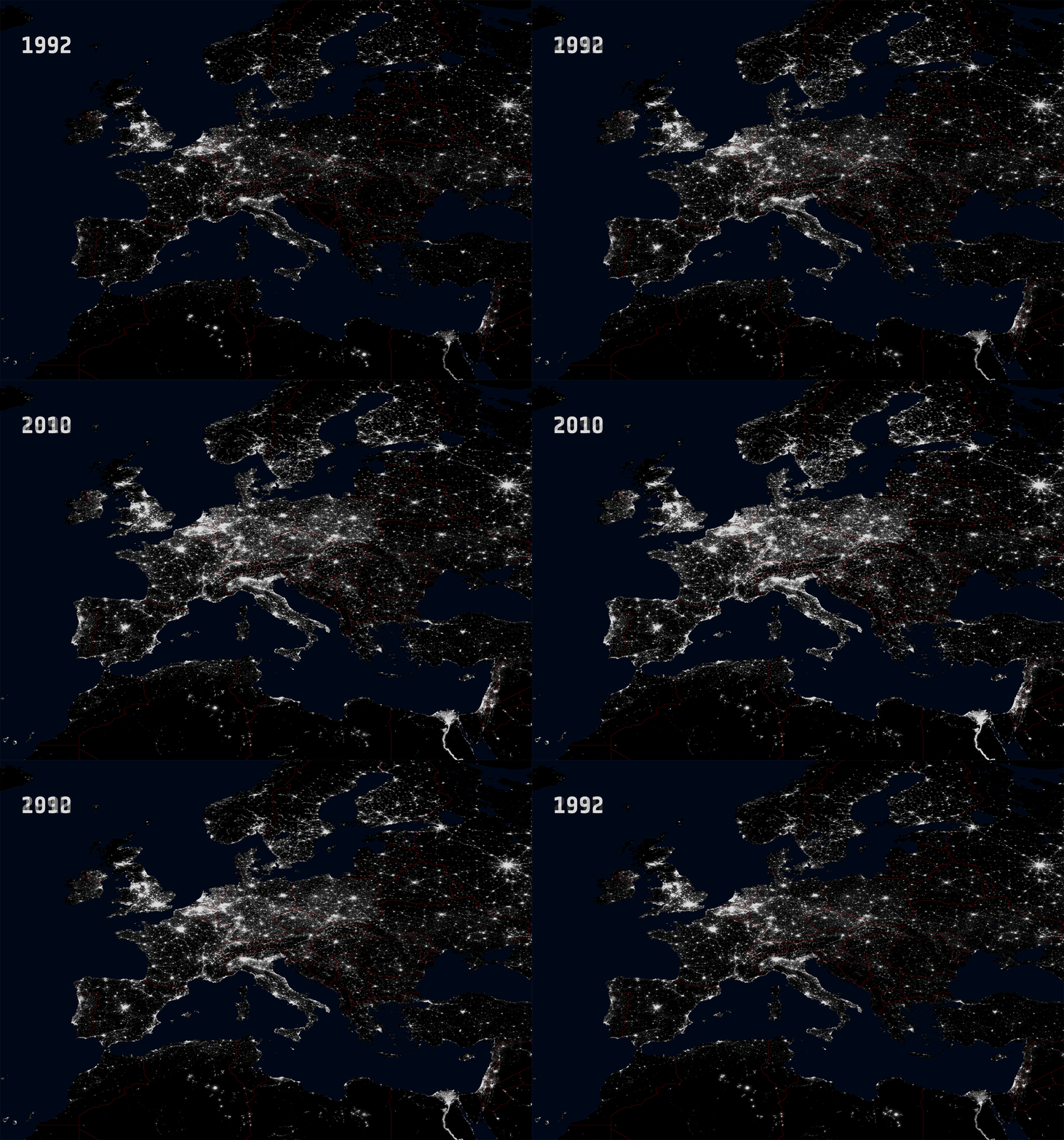

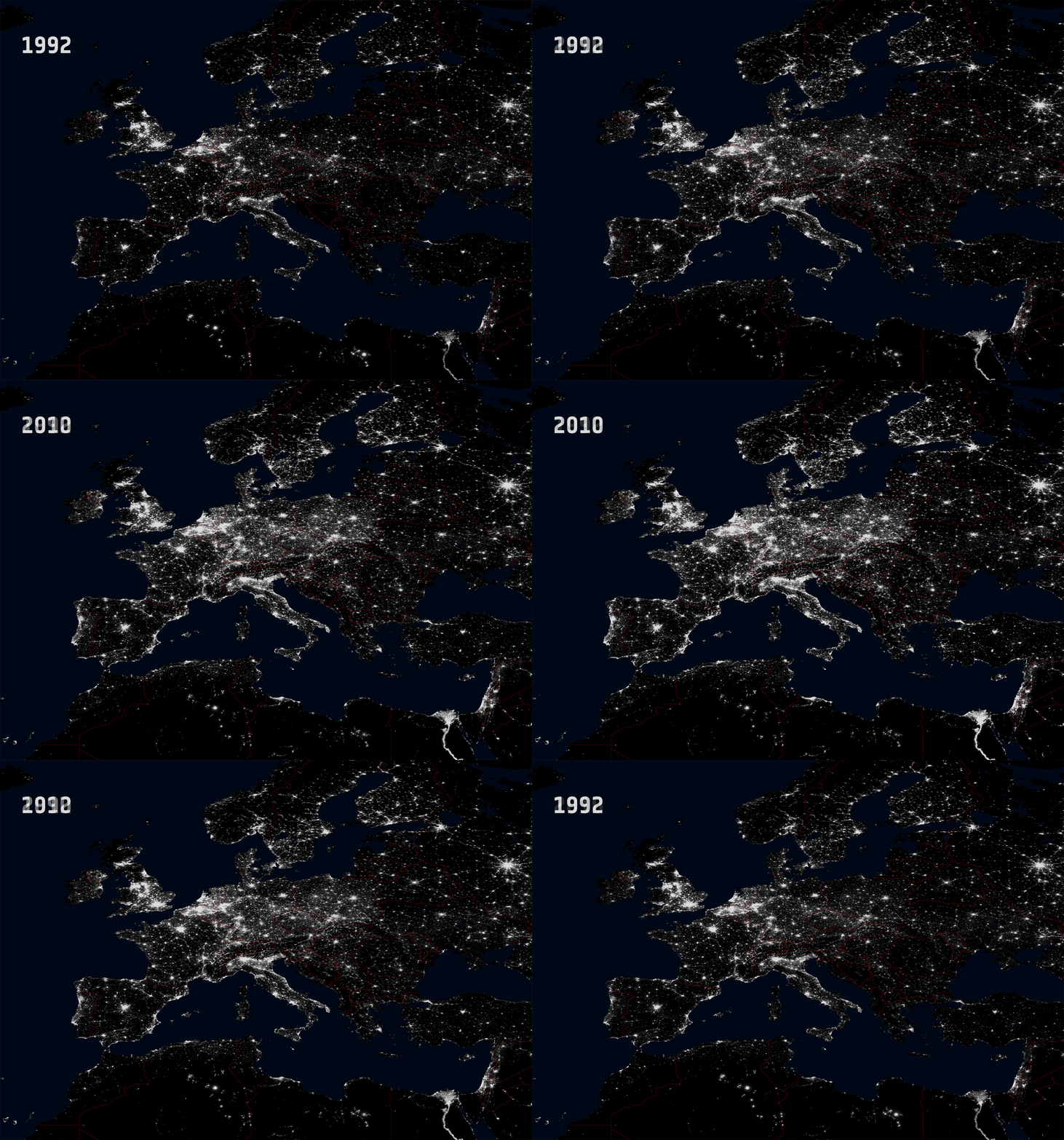
    Night lights in Europe as seen from satellites

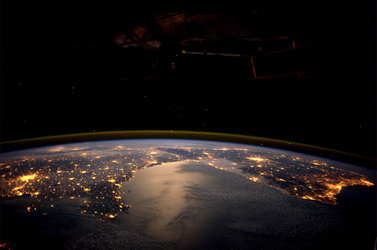
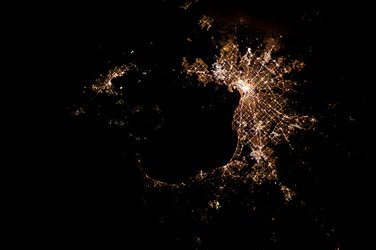
    Using ESA’s new NightPod camera aid, André is taking sharper pictures than ever before of cities at night. Light pollution is a dramatic example of energy that humans waste.

    Loading...

    View all of André’s images on his Flickr photo stream, or follow the astronaut on Twitter. View the links to the right.

    André's Flickr stream: recording humanity's presence

    Using ESA’s new NightPod camera aid, André is taking sharper pictures than ever before of cities at night. Light pollution is a dramatic example of energy that humans waste.

    View all of André’s images in his Flickr photo stream, or follow the astronaut on Twitter. View the links to the right.

    ESA satellites monitor the Earth

    Sea-surface temperature, May 2008

    To be able to understand and manage human impact on Earth better, ESA is providing data from a range of satellites.

    Sea-surface temperature, May 2008

    Satellites offer the only practical means of monitoring Earth as a whole. Sensitive spaceborne instruments gather precise data to unravel the complexities of our planet and track changes taking place. They have contributed significantly to the information in the Living Planet Report.

    Apart from benefitting European research requirements, this also ensures that decision-makers are equipped with the information to tackle the challenges of climate change, secure a sustainable future and respond to natural and human-induced disasters.
    Rate this

    Views

    Share

    • Currently 0 out of 5 Stars.
    • 1
    • 2
    • 3
    • 4
    • 5
    Rating: 0/5 (0 votes cast)

    Thank you for rating!

    You have already rated this page, you can only rate it once!

    Your rating has been changed, thanks for rating!

    274
    Tweet
    • WWF Living Planet Report 15 May 2012
    • Related news
      • Turn off the lights, André will be watching
        • André Kuipers takes Earth Hour into orbit
          • Earth from Space: Night lights
            • Tracking cities at night from the Space Station
            • International Space Station Benefits for Humanity
            • Earth Observation
            • Follow André!
            • Follow André's mission
            • PromISSe mission logo text part only
              PromISSe mission logo text part only
            • André's blog
            • PromISSe blog
            • Columbus
            • Follow @astro_andre
            • André on Flickr
            •  ESA on YouTube
            • ESA on Flickr
            • ESA on Twitter

    Connect with us

    • RSS
    • Youtube
    • Twitter
    • Flickr
    • G+
    • Facebook
    • Livestream
    • Subscribe
    • App Store
    • LATEST ARTICLES
    • · ESA astronaut Timothy Peake set fo…
    • · Space drives e-mobility
    • · Proba-V opens its eyes
    • · First new Galileo satellite arrive…
    • · Next destination: space
    • FAQ

    • Jobs at ESA

    • Site Map

    • Contacts

    • Terms and conditions