ESA satellite images can help IPY expeditions in the Arctic Ocean
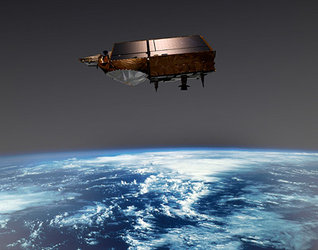
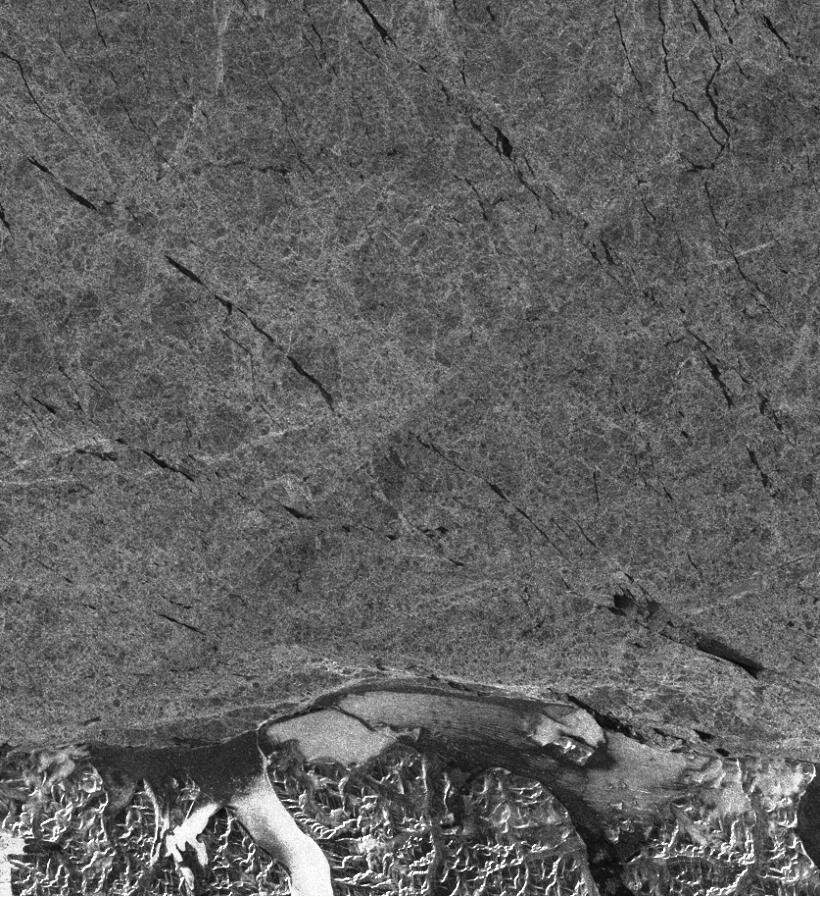
International Polar Year expeditions attempting to navigate through the treacherous, ice-infested waters of the Arctic Ocean will be able to access the latest ESA Envisat satellite radar images of the ice conditions surrounding their vessel.
Using their onboard Iridium phone, researchers can connect to the Internet, log into a specified website and click on any image they wish to view. Once an image has been selected, it will open in a new window where users are able to view the entire image as well as zoom in on their exact location for detail.
This technology was first used during the Arctic expedition of Ann Bancroft and Liv Arnesen, who were forced to cancel their voyage seven days in due to a combination of damaged gear, frostbite and extreme cold. Although they were unable to access the images because extremely low temperatures prevented them from switching on their computer, people at their base camp viewed the images and passed on the sea ice conditions to them by phone.
International Polar Year (IPY) is an internationally coordinated two-year effort in which more than 5000 scientists from 60 countries will conduct research in the Arctic and Antarctic to increase our knowledge of the polar regions, how they are changing and how those changes impact the health of our planet.
This IPY not only marks the first time satellites will be used to help guide expeditions but also the first time scientists will be armed with satellite measurements to better understand these regions, which play a vital role in the Earth's climate and ecosystems.
ESA will make significant contributions to IPY on a variety of scientific fronts. In addition to providing Earth observation data free of charge to 48 projects, the agency will co-lead a large IPY project – the Global Interagency IPY Polar Snapshot Year (GIIPSY) – with the Byrd Polar Research Centre. The goal of GIIPSY is to make the most efficient use of Earth-observing satellites to capture essential snapshots that will serve as benchmarks for gauging past and future changes in the environment of the polar regions.
This service was developed and is being operated by Kongsberg Satellite Services (KSAT), equally owned by the Norwegian Space Centre and Kongsberg Defence and Aerospace.