• → European Space Agency

      • Space for Europe
      • Space News
      • Space in Images
      • Space in Videos
    • About Us

      • Welcome to ESA
      • DG's News and Views
      • For Member State Delegations
      • Business with ESA
      • ESA Exhibitions
      • ESA Publications
      • Careers at ESA
    • Our Activities

      • Space News
      • Observing the Earth
      • Human Spaceflight
      • Launchers
      • Navigation
      • Space Science
      • Space Engineering
      • Operations
      • Technology
      • Telecommunications & Integrated Applications
    • For Public

    • For Media

    • For Educators

    • For Kids

    • ESA

    • Observing the Earth

    • Understanding Our Planet

    • Securing Our Environment

    • Benefiting Our Economy

    • About Observing the Earth

      • How does Earth Observation work?
      • How to get Earth observation data
      • Integrating Earth Observation in your job
      • Earth Observation users speak
    • EO programmes
    • The Living Planet
    • GMES
    • ESA's Earth Observing missions
    • Envisat overview
    • ERS overview
    • Earth Explorers overview
    • Sentinels overview
    • MSG overview
    • MetOp overview
    • Proba-1 overview
    • Third Party Missions overview
    • Opportunities with us

      • Education & training
      • International cooperation
      • Milestones & announcements
    • Multimedia

      • Image Gallery
      • Video Gallery
      • Online resources
      • RSS feeds
    • Services
    • Subscribe

    ESA > Our Activities > Observing the Earth

    New ESA project supports aquaculture

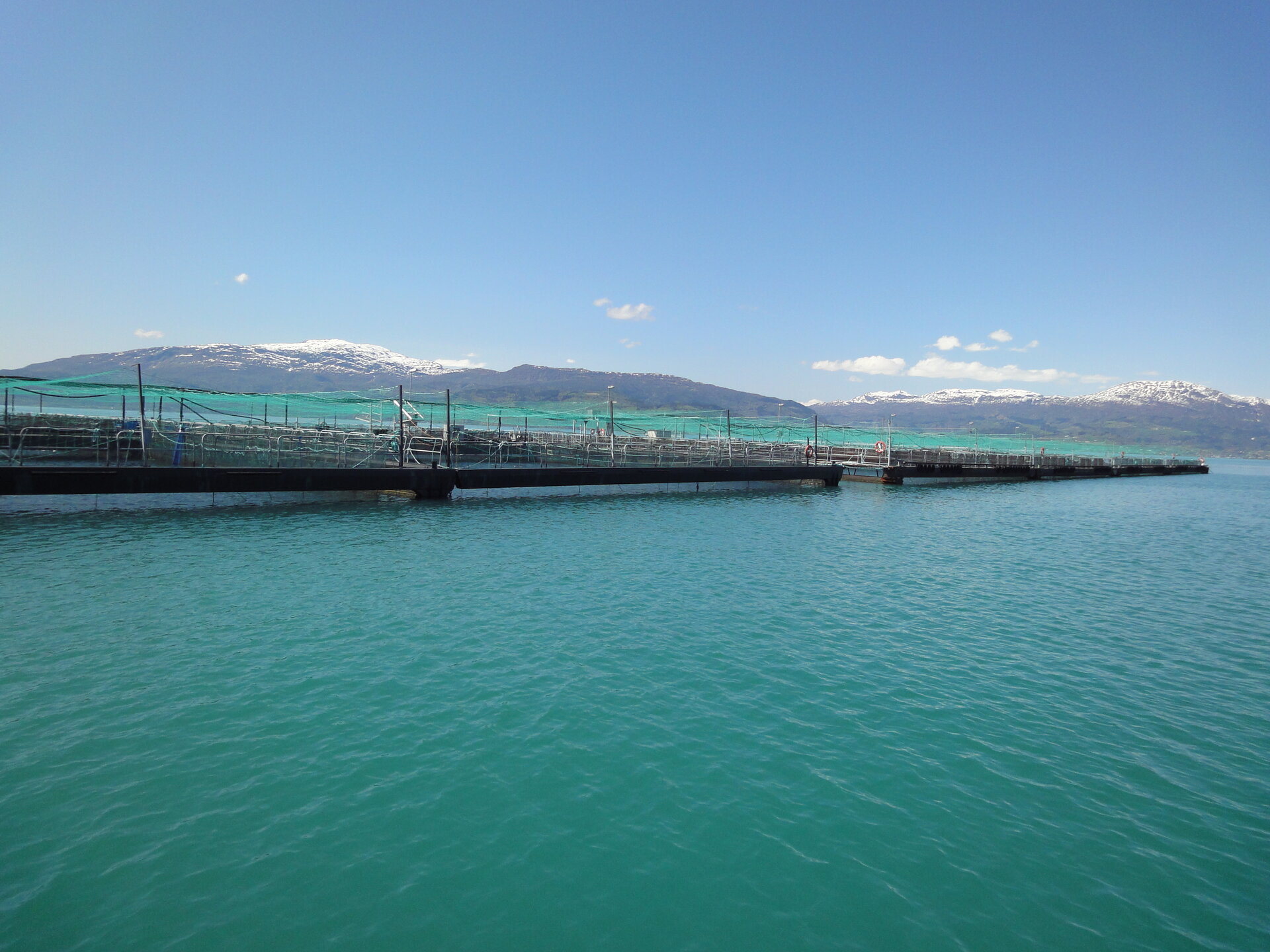
    Fish farm growing Atlantic salmon

    10 June 2011

    Fish farming is the world’s fastest growing food production method and is projected to continue rising to meet the demands of an increasing world population. ESA’s new Aquaculture project will support sustainable aquaculture by developing an information service based on state-of-the-art remote sensing.

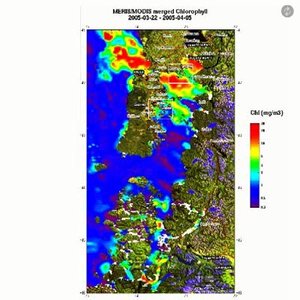
    Satellites can provide a wealth of data on waves, sea-surface temperature and ocean colour – all highly useful for planning where to establish new fish farms.

    "Sustainability depends on knowledge of the environment to draw useful conclusions for aquaculture," said Juan Pablo Belmar from the Chilean Under-Secretariat of Fisheries.

    Salmon farms in Chile
    Salmon farms in Chile

    "It is clear that remote sensing is one of the most useful tools for providing this knowledge."

    The environmental impact of new sites can be determined by comparing satellite-based water quality data from different periods. Satellite data can also play a key role in protecting farmed shellfish and finfish.
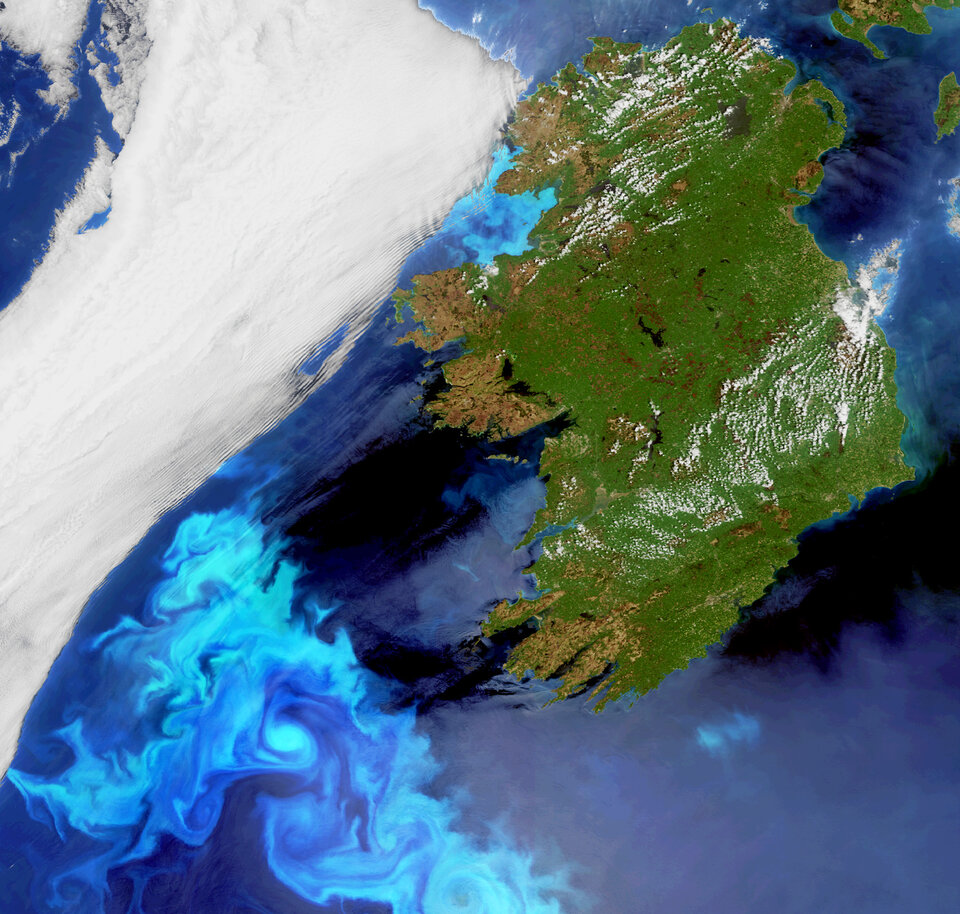

    Electric blue blooms
    Blooms off Ireland

    Phytoplankton blooms are common and usually harmless. But in some cases they reduce oxygen levels in water by preventing gas exchange between the ocean and the atmosphere, by blocking the light needed for other oxygen-producing algae below, and when decomposing.

    These harmful algal blooms have devastating effects on farmed fish, which are unable to move into better-oxygenated stretches of water.

    Salmon cage
    Salmon cage

    Some algae contain toxins that accumulate in the body tissue of shellfish and pose serious health risks for humans.

    Satellites can warn of potential harmful algal development by identifying the conditions, such as sediment flows or pollution run-off, that might promote their growth.

    Once a bloom begins, ocean colour sensors can map its extension and monitor its evolution.
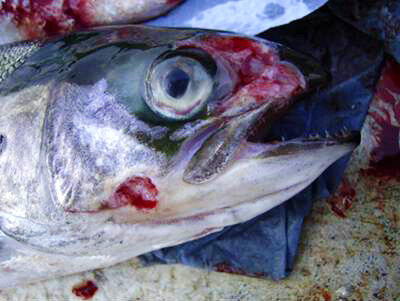
    Farmed fish damaged by jellyfish
    Farmed fish damaged by jellyfish

    "There are great opportunities for using this type of technology to control aquaculture activities and monitor the surrounding environment both for sustainability and warnings of algae and jellyfish 'attacks'," said Ingrid Lundamo from Marine Harvest Norway. Marine Harvest is the world’s largest producer of farmed Atlantic salmon.

    Satellite data can also be fed into models simulating the spread of parasites and disease in farmed fish stocks.

    Diseases can devastate fish stocks: the production from Chile’s salmon farms fell from 400 000 tonnes in 2005 to 100 000 tonnes in 2010 as a result of infectious salmon anemia.

    These models can help to reduce the risk of contamination between production sites by improving site selection and supporting measures to protect the farmed fish.
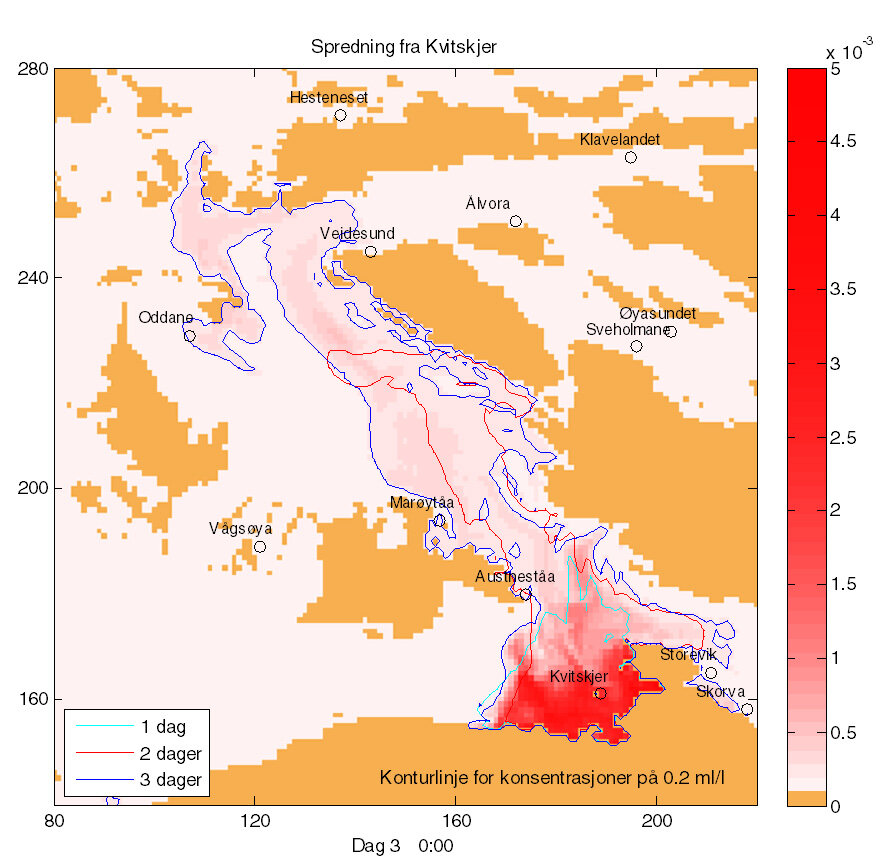
    Aquastream disease-management tool
    Aquastream disease-management tool

    To fine-tune the requirements of the project’s potential users and to identify the types of satellite data needed, ESA organised a meeting last month with 35 potential users and experts in remote sensing applications.

    The Aquaculture project will develop and demonstrate products and services tailored to the needs of the marine aquaculture sector, involving users from industry and from public administrations in Europe and developing countries.
    Rate this

    Views

    Share

    • Currently 0 out of 5 Stars.
    • 1
    • 2
    • 3
    • 4
    • 5
    Rating: 0/5 (0 votes cast)

    Thank you for rating!

    You have already rated this page, you can only rate it once!

    Your rating has been changed, thanks for rating!

    101
    Tweet
    • Related news
      • Harmful Algal Blooms monitored from space in Chile
        • Envisat detects 'grass of the sea' blooming early off Norway
        • In depth
        • Aquaculture project preparatory user consultation
        • ESA Data User Element (DUE)

    Connect with us

    • RSS
    • Youtube
    • Twitter
    • Flickr
    • G+
    • Facebook
    • Livestream
    • Subscribe
    • App Store
    • LATEST ARTICLES
    • · Proba-V opens its eyes
    • · First new Galileo satellite arrive…
    • · Next destination: space
    • · Leak repaired on International Spa…
    • · After Chelyabinsk: European expert…
    • FAQ

    • Jobs at ESA

    • Site Map

    • Contacts

    • Terms and conditions
