• → European Space Agency

      • Space for Europe
      • Space News
      • Space in Images
      • Space in Videos
    • About Us

      • Welcome to ESA
      • DG's News and Views
      • For Member State Delegations
      • Business with ESA
      • ESA Exhibitions
      • ESA Publications
      • Careers at ESA
    • Our Activities

      • Space News
      • Observing the Earth
      • Human Spaceflight
      • Launchers
      • Navigation
      • Space Science
      • Space Engineering
      • Operations
      • Technology
      • Telecommunications & Integrated Applications
    • For Public

    • For Media

      • Media
      • ESA TV
      • Videos for professionals
      • Photos
    • For Educators

    • For Kids

    • ESA

    • Space for our climate

    • Observing the Earth

    • About climate change
    • Space and Earth Monitoring

      • Land

        • Overview
        • Rivers & lakes
        • Volcanoes
        • Coastal zones
        • Wetlands & deserts
      • Oceans

        • Overview
        • Wind & waves
        • Ocean colour & algae blooms
        • Sea Surface Temperature
        • El Niño
      • Ice

        • Overview
        • Ice and climate
      • Atmosphere

        • Overview
        • Water vapour & clouds
        • Aerosols
        • Ozone hole
        • Climate change
      • Biosphere

        • Overview
        • Forests
        • Carbon cycle
    • International treaties implementation

      • Overview
      • Wetlands convention
      • Combat Desertification convention
      • Kyoto Protocol
    • About Observing the Earth

      • How does Earth Observation work?
      • How to get Earth observation data
      • Integrating Earth Observation in your job
    • EO programmes
    • The Living Planet
    • GMES
    • ESA's Climate Change Initiative (CCI)
    • Multimedia
    • Image Gallery
    • Video Gallery

    ESA > Our Activities > Observing the Earth > Space for our climate

    Signs of thawing permafrost revealed from space

    Frozen land
    27 March 2012

    Satellite are seeing changes in land surfaces in high detail at northern latitudes, indicating thawing permafrost. This releases greenhouse gases into parts of the Arctic, exacerbating the effects of climate change.

    Permafrost is ground that remains at or below 0°C for at least two consecutive years and usually appears in areas at high latitudes such as Alaska, Siberia and Northern Scandinavia, or at high altitudes like the Andes, Himalayas and the Alps.

    About half of the world’s underground organic carbon is found in northern permafrost regions. This is more than double the amount of carbon in the atmosphere in the form of the greenhouse gases carbon dioxide and methane.

    The effects of climate change are most severe and rapid in the Arctic, causing the permafrost to thaw. When it does, it releases greenhouse gases into the atmosphere, exacerbating the effects of climate change.

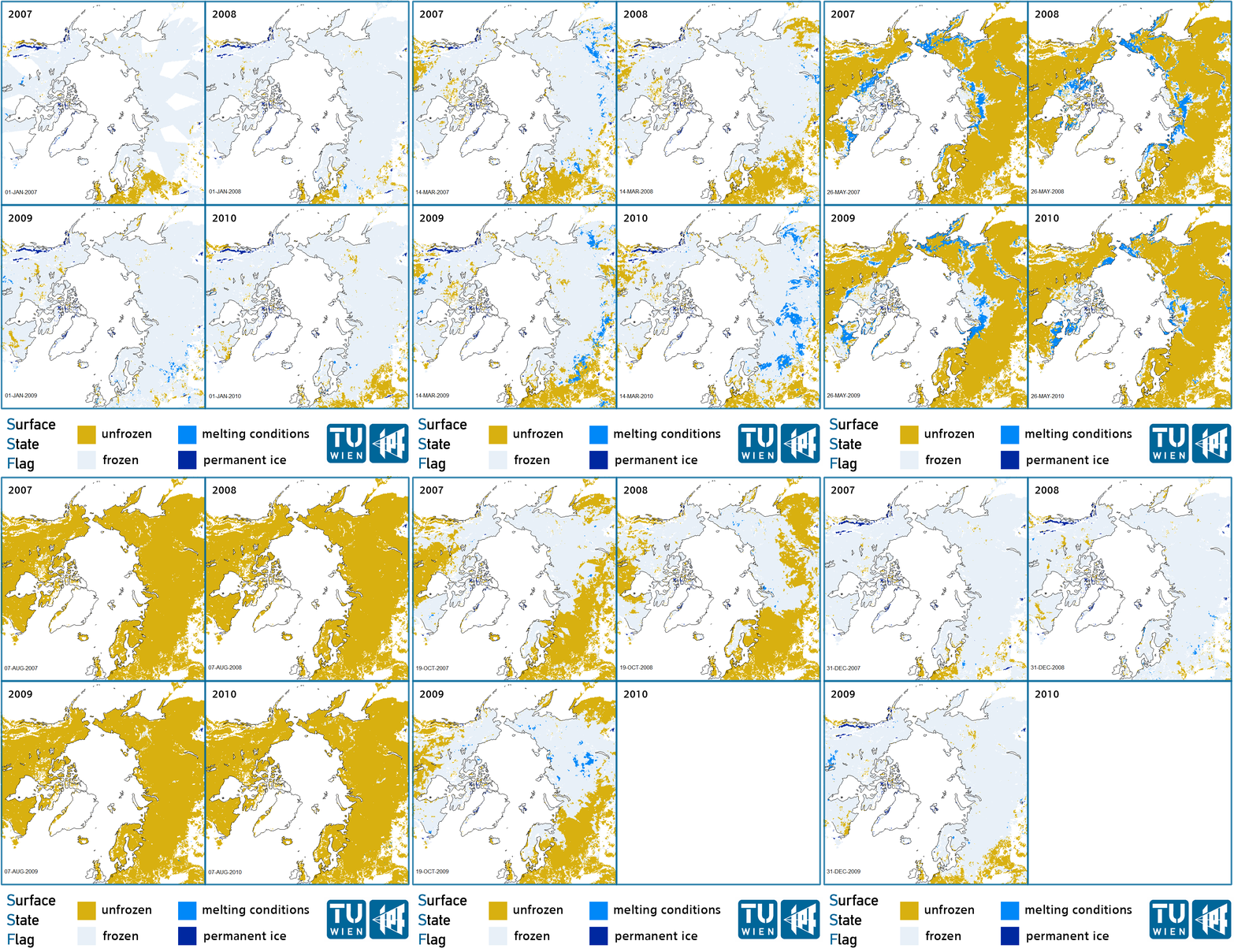
    Although permafrost cannot be directly measured from space, factors such as surface temperature, land cover and snow parameters, soil moisture and terrain changes can be captured by satellites.

    Surface temperature

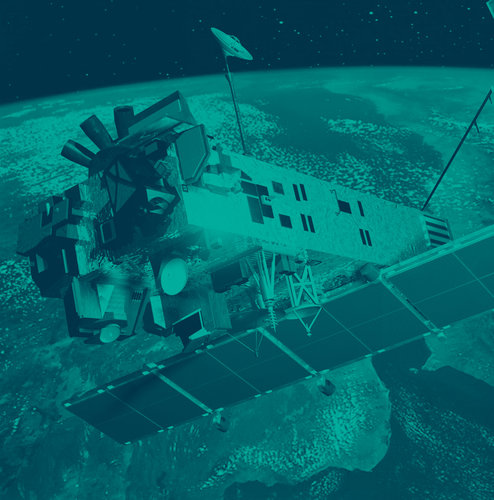
    The use of satellite data like from ESA’s Envisat, along with other Earth-observing satellites and intensive field measurements, allows the permafrost research community to get a panoptic view of permafrost phenomena from a local to a Circum-Arctic dimension.

    “Combining field measurements with remote sensing and climate models can advance our understanding of the complex processes in the permafrost region and improve projections of the future climate,” said Dr Hans-Wolfgang Hubberten, head of the Alfred Wegner Institute Research Unit (Germany) and President of the International Permafrost Association.

    Last month, more than 60 permafrost scientists and Earth observation specialists came together for the Third Permafrost User Workshop at the Alfred Wegener Institute in Potsdam, Germany, to discuss their latest findings.
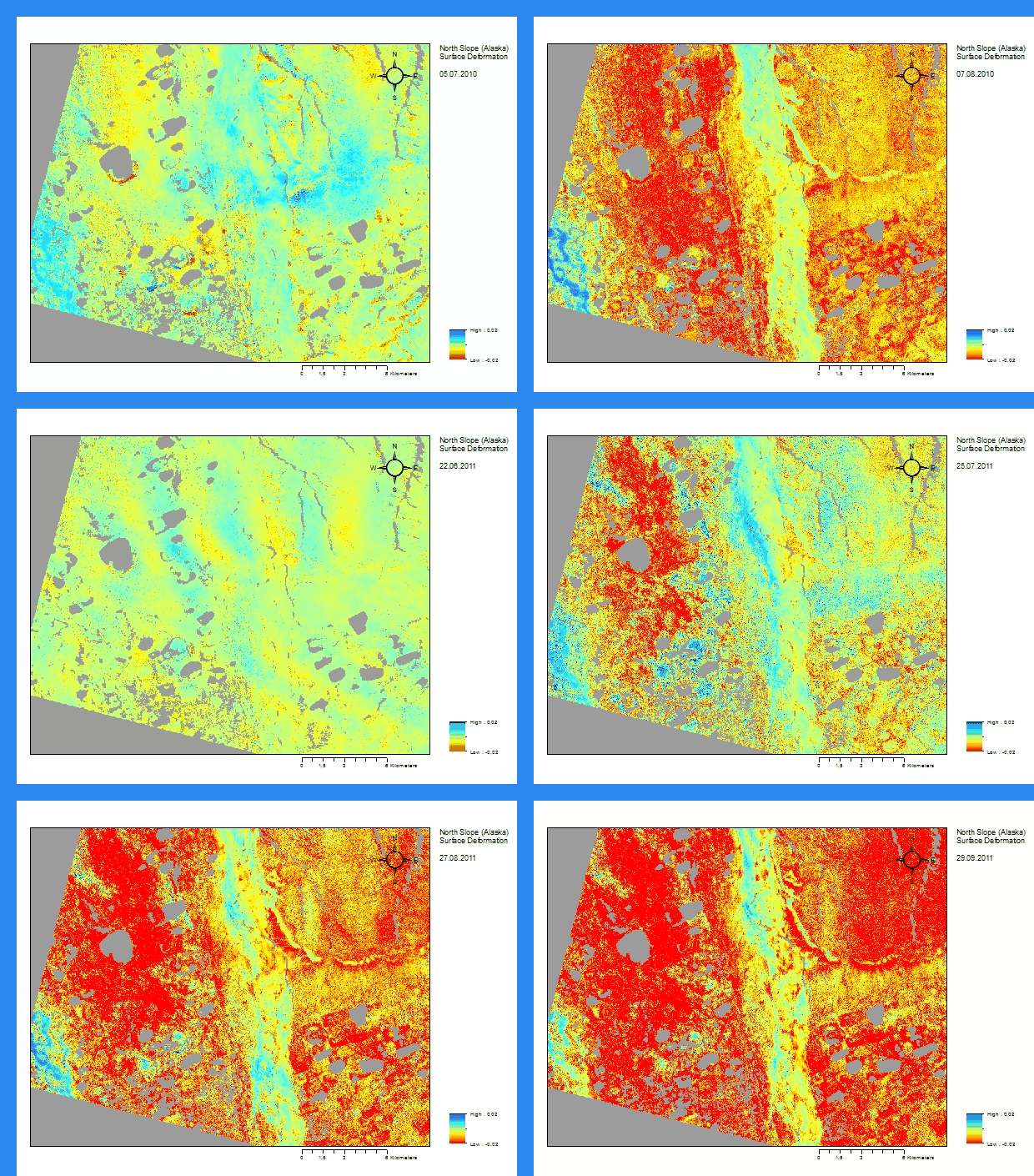

    Alaska subsidence

    “The already available Permafrost products provide researchers with valuable datasets which can be used in addition to other observational data for climate and hydrological modelling,” said Dr Leonid Bobylev, the director of the Nansen Centre in St. Petersburg.

    “However, for climate change studies – and in particular for evaluation of the climate models’ performance – it is essential to get a longer time series of satellite observational data.

    “Therefore, the Permafrost related measurements should be continued in the future and extended consistently in the past.”

    ESA will continue to monitor the permafrost region with its Envisat satellite and the upcoming Sentinel satellite series for Europe’s Global Monitoring for Environment and Security (GMES) programme.

    Rate this

    Views

    Share

    • Currently 0 out of 5 Stars.
    • 1
    • 2
    • 3
    • 4
    • 5
    Rating: 0/5 (0 votes cast)

    Thank you for rating!

    You have already rated this page, you can only rate it once!

    Your rating has been changed, thanks for rating!

    248
    Tweet
    • Related links
    • DUE Permafrost
    • Data User Element (DUE)
    • AWI Potsdam
    • IPA
    • ESA's Climate Change Initiative (CCI)
    • GMES overview
    • Related missions
    • Envisat
    • Sentinels
    • Space for our climate

    Connect with us

    • RSS
    • Youtube
    • Twitter
    • Flickr
    • G+
    • Facebook
    • Livestream
    • Subscribe
    • App Store
    • LATEST ARTICLES
    • · Rare merger reveals secrets of gal…
    • · Watching for hazards: ESA opens as…
    • · ESA astronaut Timothy Peake set fo…
    • · Space drives e-mobility
    • · Proba-V opens its eyes
    • FAQ

    • Jobs at ESA

    • Site Map

    • Contacts

    • Terms and conditions