Tackling new Arctic challenges from space
International scientists, researchers and decision makers met at the ‘Space and the Arctic workshop’ to identify the needs and challenges of working and living in the rapidly changing Arctic and to explore how space-based services can help to meet those needs.
The workshop, held from 20 to 21 October in Stockholm, Sweden, was organised by the Swedish National Space Board and the Swedish Meteorological and Hydrological Institute together with ESA, EUMETSAT and the EC.
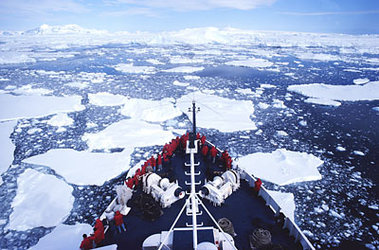
The warmer climate, advances in technology and demand for natural resources are leading to increased human activity in the Arctic. This increase in activity, especially related to oil and gas production, changing fishery patterns and new shipping routes, provides new opportunities but also creates new risks to those working and living in the area and to the pristine and unique natural environment.

One of the highlights of the workshop was the 'Arctic Marine Transport and Space' presentation given by Dr Lawson Brigham of the University of Alaska Fairbanks that outlined the Arctic Marine Shipping Assessment (AMSA) report for 2009.
The AMSA report, prepared by the Protection of the Arctic Marine Environment (PAME) Working Group on behalf of the Arctic Council, is designed to educate and inform people about the current state of Arctic marine use and future challenges. It focuses primarily on Arctic marine safety and marine environmental protection.
"New space assets are crucial for improving marine communications in many regions of the Arctic Ocean in order to improve search and rescue and environmental response activities," Brigham said. "One key AMSA recommendation is the need for a comprehensive Arctic marine traffic awareness system; only space assets in the long-term can provide the coverage necessary to achieve effective monitoring and tracking of Arctic ships."
Only space assets in the long-term can provide the coverage necessary to achieve effective monitoring and tracking of Arctic ships
"Improved space sensors measuring sea-ice thickness, mapping snow cover and tracking icebergs will be increasingly important to Arctic ship safety and route optimisation," he continued. "Continued satellite monitoring is also central to recording the retreat of sea ice and other changes to the cryosphere in a warming Arctic."
In order to build the infrastructure needed in the Arctic to meet these challenges, workshop participants investigated ways space infrastructure could facilitate communication, environmental monitoring, early warning systems and navigation and vessel tracking in the area.
The workshop was held under the auspices of the Swedish Presidency of the Council of the EU as part of a commitment to face the challenges of climate change and increased human activity. It focused on these main themes: climate change & environment; transport safety and security; and sustainable exploitation.

The contributions from ongoing activities in European projects such as MyOcean, Polar View and Damocles, were presented to show how lessons learned in setting up operational services for the Baltic area could be applied in a new setting with similar information requirements for the Arctic.
After presenting their experiences in the region, participants provided suggestions as to how operational space-based services could monitor and help adapt to climate change and ecosystem management, maintain safe transportation and ensure sustainable development in the vulnerable Arctic.
At the end of the workshop, participants agreed a set of conclusions and recommendations as to how space technology could help Europe meet its objectives in the Arctic.
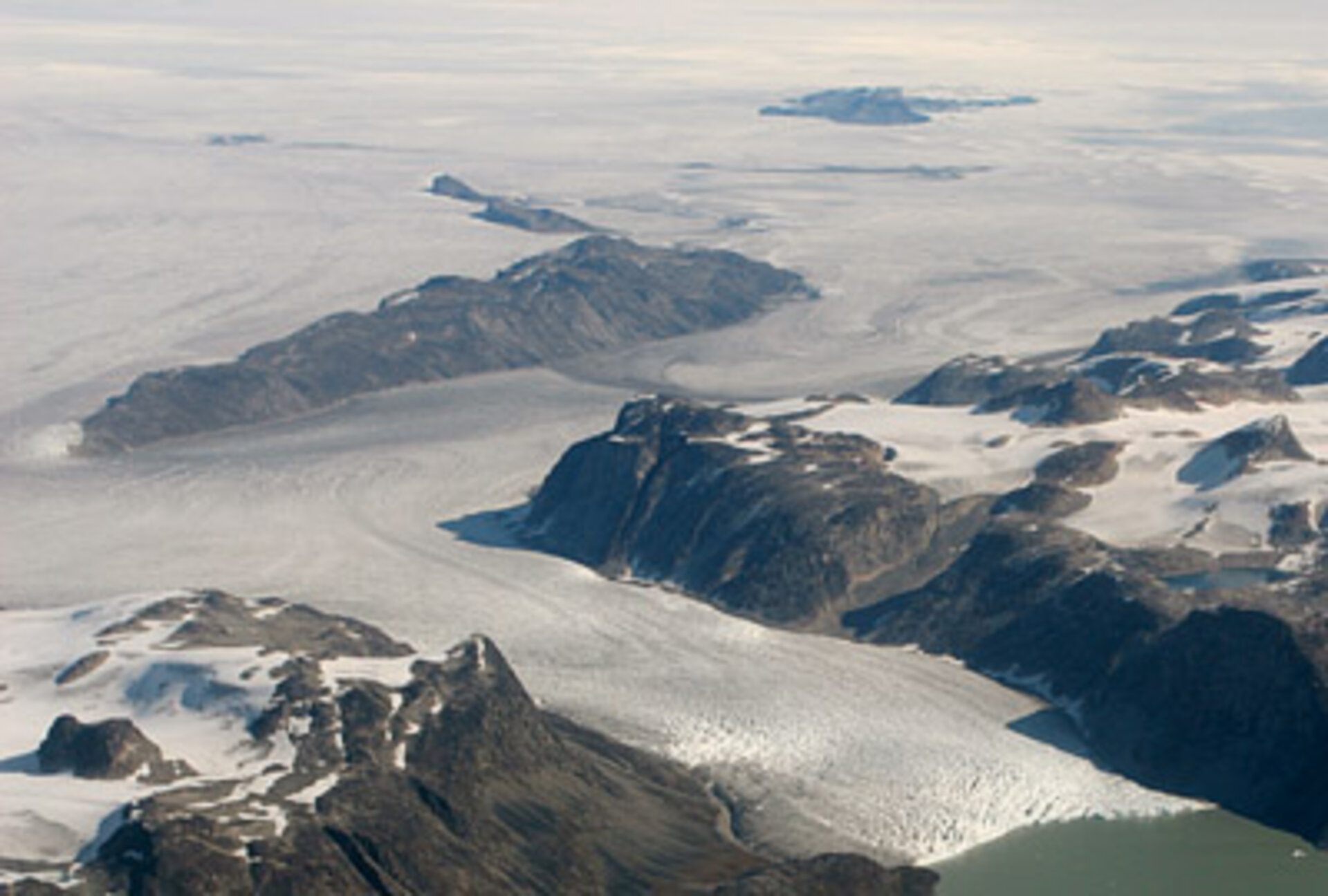
ESA’s ice mission, CryoSat, is scheduled to launch in February next year. CryoSat will monitor precise changes in the thickness of polar ice sheets and floating sea ice. The observations made over its three-year lifetime will help explain the connection between the melting of the polar ice and the rise in sea levels and how this is contributing to climate change.