• → European Space Agency

      • Space for Europe
      • Space News
      • Space in Images
      • Space in Videos
    • About Us

      • Welcome to ESA
      • DG's News and Views
      • For Member State Delegations
      • Business with ESA
      • ESA Exhibitions
      • ESA Publications
      • Careers at ESA
    • Our Activities

      • Space News
      • Observing the Earth
      • Human Spaceflight
      • Launchers
      • Navigation
      • Space Science
      • Space Engineering
      • Operations
      • Technology
      • Telecommunications & Integrated Applications
    • For Public

    • For Media

      • Media
      • ESA TV
      • Videos for professionals
      • Photos
    • For Educators

    • For Kids

    • ESA

    • Observing the Earth

    • Living Planet

    • Meteorological missions

    • MetOp

    • MetOp at a glance
    • Overview
    • Why we need MetOp
    • Facts & figures
    • History
    • Satellite

      • About the satellite
      • Payload Module
      • Service Module
    • Instruments

      • Overview
      • Technical summary
    • Launch

      • Launch sequence
      • Launcher
    • Mission operations

      • Operations
      • Orbit
    • Resources

      • Publications
      • General links
      • Glossary
      • Acronym list
    • Multimedia
    • MetOp images
    • MetOp videos
    • MetOp animations
    • Help
    • Services
    • Subscribe

    ESA > Our Activities > Observing the Earth > The Living Planet Programme > Meteorological missions > MetOp

    AMSU-A1 products

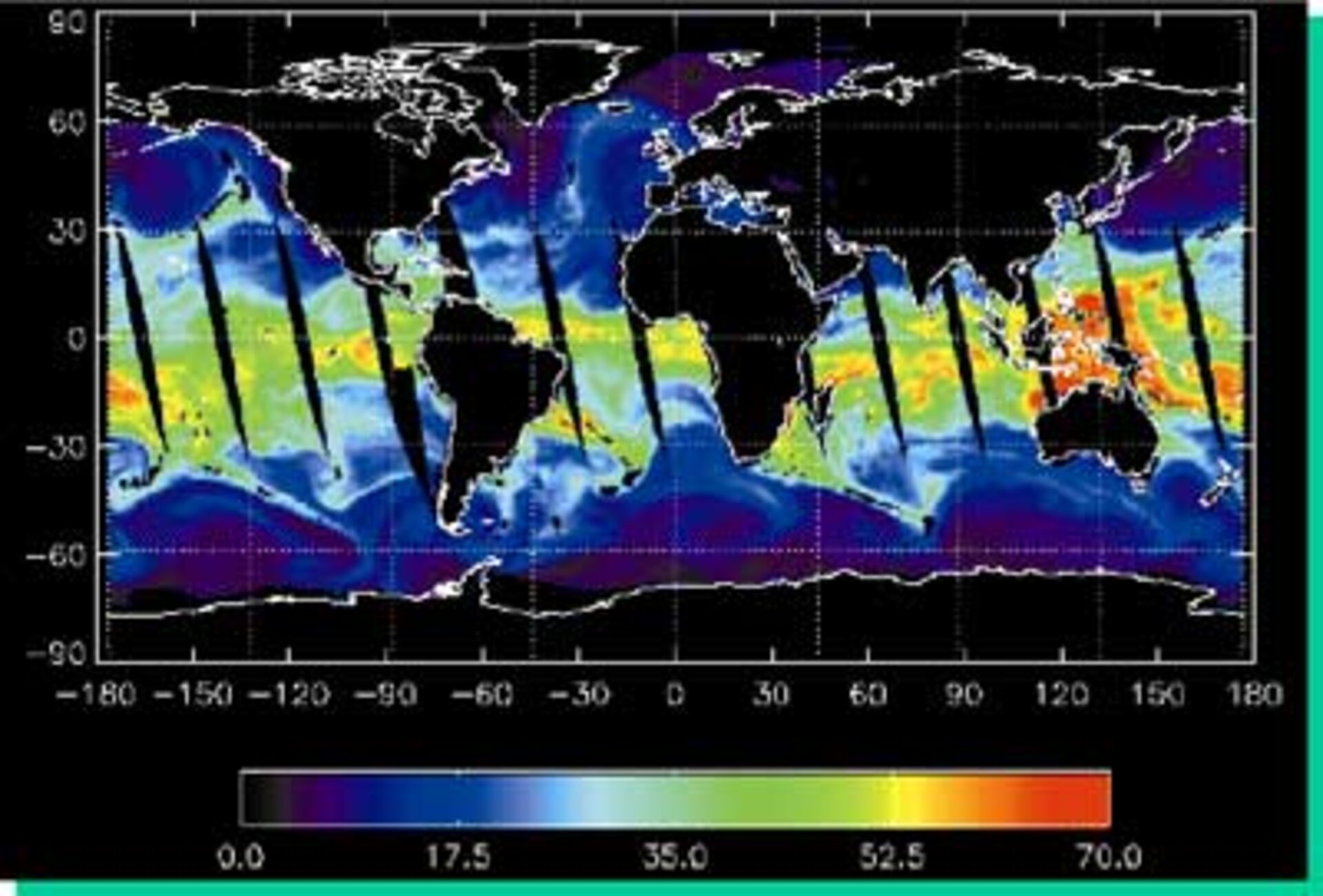
    Total precipitable water field derived from NOAA-15’s AMSU-A on
    Total precipitable water field derived from NOAA-15’s AMSU-A on March 3, 2000

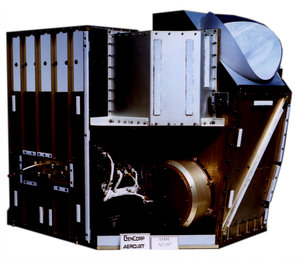
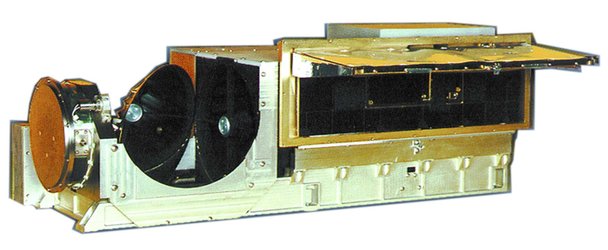
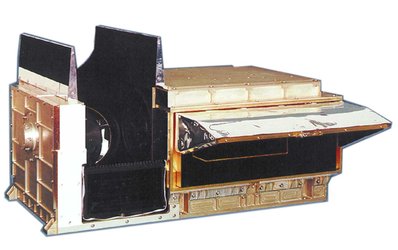
    The AMSU-A1 measures scene radiance in the microwave spectrum. Its data, in conjunction with the HIRS/3 data, is used to calculate the global atmospheric temperature and humidity profiles from the Earth's surface to the upper stratosphere, approximately at 2-millibar pressure altitude (48 km).

    Calibration/validation

    A complete end-to-end calibration is performed by the instrument provider. A complex internal calibration procedure guarantees that this calibration performance is maintained over the mission life time. Here the instrument scan mirror dwells to different scan positions which represents warm and cold references. The warm calibration reference is realised by an internal warm calibration load whereas for the cold reference a view to deep space is made. Knowledge and accuracy of warm calibration load brightness temperature is better than ± 0.2K

    Last update: 28 June 2006

    Rate this

    Views

    Share

    • Currently 0 out of 5 Stars.
    • 1
    • 2
    • 3
    • 4
    • 5
    Rating: 0/5 (0 votes cast)

    Thank you for rating!

    You have already rated this page, you can only rate it once!

    Your rating has been changed, thanks for rating!

    11
    Tweet
    • In depth
    • About AMSU-A1
    • Channels
    • Components
    • Products
    • Related Links
    • NOAA
    • Operational AMSU Precipitation Products
    • AMSU Precipitation Products
    • CIRA
    • CIRA's Experimental Tropical Cyclone Products
    • CIRA's AMSU Website
    • MetOp's instruments
    • A/DCS
    • AMSU-A1
    • AMSU-A2
    • ASCAT
    • AVHRR
    • GOME-2
    • GRAS
    • HIRS
    • IASI
    • MHS
    • SARP-3
    • SARR
    • SEM

    Connect with us

    • RSS
    • Youtube
    • Twitter
    • Flickr
    • G+
    • Facebook
    • Livestream
    • Subscribe
    • App Store
    • LATEST ARTICLES
    • · Rare merger reveals secrets of gal…
    • · Watching for hazards: ESA opens as…
    • · ESA astronaut Timothy Peake set fo…
    • · Space drives e-mobility
    • · Proba-V opens its eyes
    • FAQ

    • Jobs at ESA

    • Site Map

    • Contacts

    • Terms and conditions