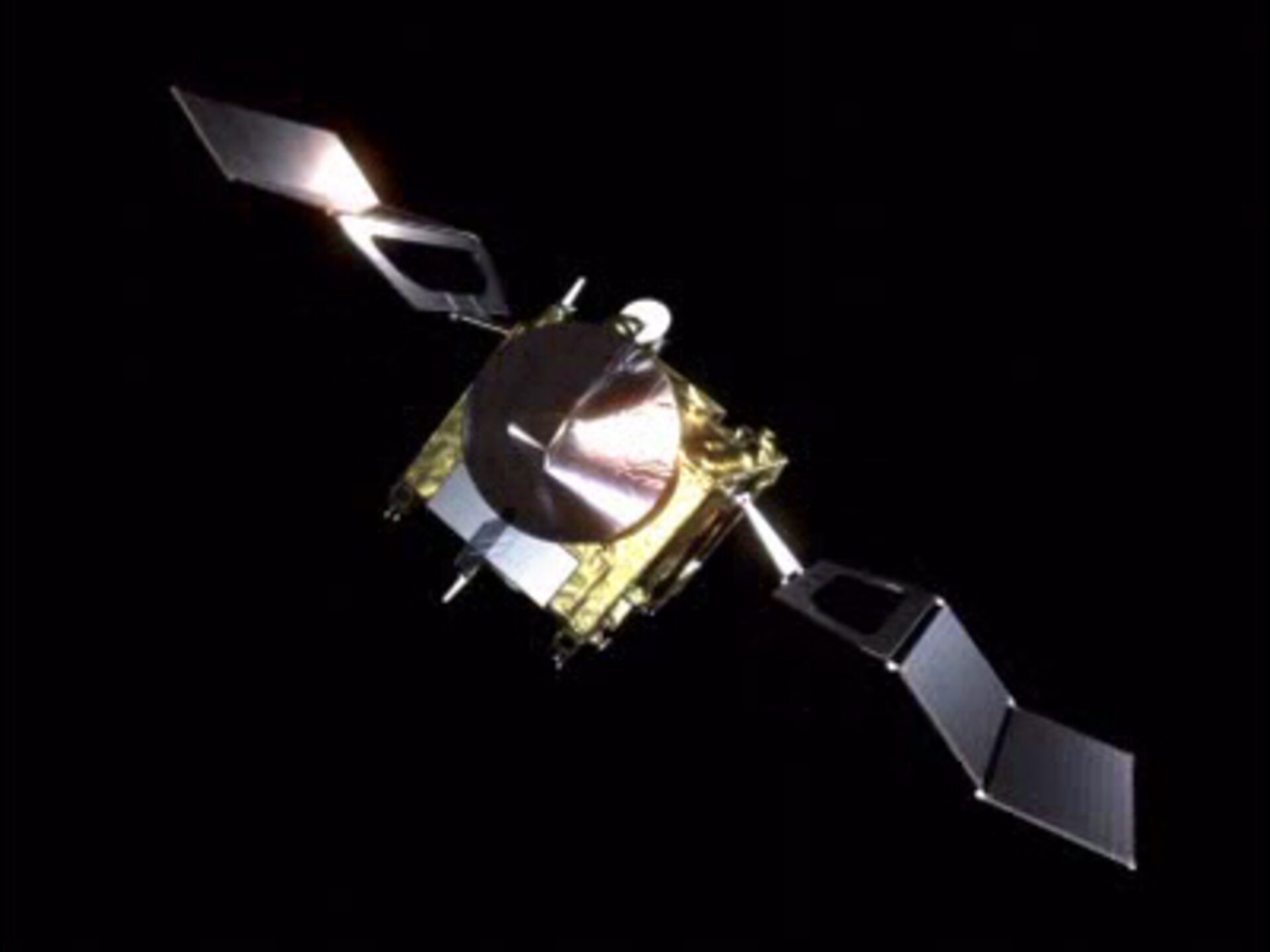
Making space systems mobile: website highlights ESA’s Mechanisms section
Spacecraft designers can get very nervous thinking about moving parts and mechanisms. Other faulty subsystems can be worked around, but a mechanical system that loses its mobility would spell rapid doom. The task of ESA’s Mechanisms section is to ensure that doesn’t happen.
“The Mechanisms section puts its specialist knowledge at the disposal of ESA projects, as well as the wider European space community,” said Gerard Migliorero, head of the section, part of ESA’s Mechanical Engineering group at ESTEC in the Netherlands.
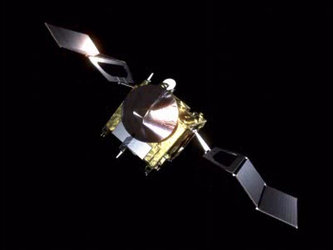
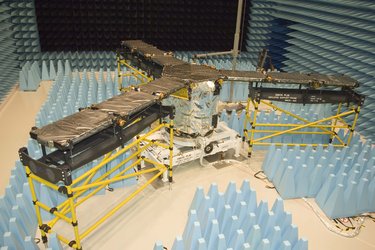
Every space mission incorporates mechanisms. These might be modest in purpose but are invariably mission–critical, such as hold-down and release mechanisms that deploy solar arrays, folded antennas or booms after launch.

Others continue to operate throughout the entire mission, like the solar array drive mechanisms that keep a satellite’s solar wings trained precisely on the Sun for years at a time, or the reaction wheels and control moment gyroscope mechanisms that provide their spacecraft with stability and attitude control.
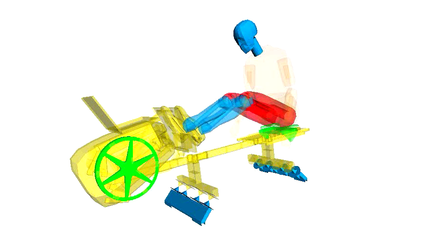
Their size can vary widely: the Mechanisms section is working on a micro-electro-mechanism system mirror-pointing device for precision optical systems, along with instrument movable camera covers, steerable spacecraft sunshields or large antennas up to several metres across, robotic arms – suitable for rovers to excavate trenches in alien soil – even full-fledged spacecraft docking systems.

Their lifespan is variable too: some mechanisms need to be able to operate continuously across mission durations of more than 15 years, while others must be able to endure more than a decade in deep space before finally coming to life – such as the harpoons that will attach ESA’s Rosetta probe to its target comet.
Then there are those that will act only at the very start of a mission, for a brief but important period: like the nozzle actuators that steer the Vega rocket and other launchers.
The problem is that space is an unfriendly environment for moving parts: the lack of gravity’s effects means that moving multi-part devices may behave in unpredictable ways.
In vacuum metal parts can simply ‘cold weld’ together, while unsuitable lubrication might rapidly boil away. The violence of launch followed by extreme temperatures in the space environment can also have serious effects.
“We carry out a lot of research and development,” added Gerard. “Some is carried out inhouse or through specialist ESA-supported external facilities: the European Space Tribology Laboratory in Warrington, UK and the Pyrotechnics Laboratory hosted by French space agency CNES in Toulouse.
“We place a large number of research contracts with European industry while continuing internal improvement of our own simulation capabilities.
“The work we do covers all ESA directorates: coming missions have increased mission requirements, which demands more complex, more accurate, but still robust mechanisms in turn.”
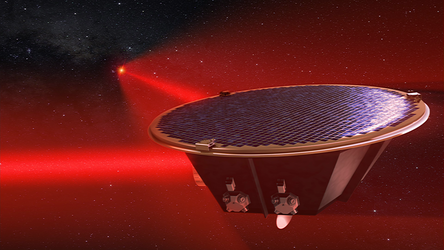
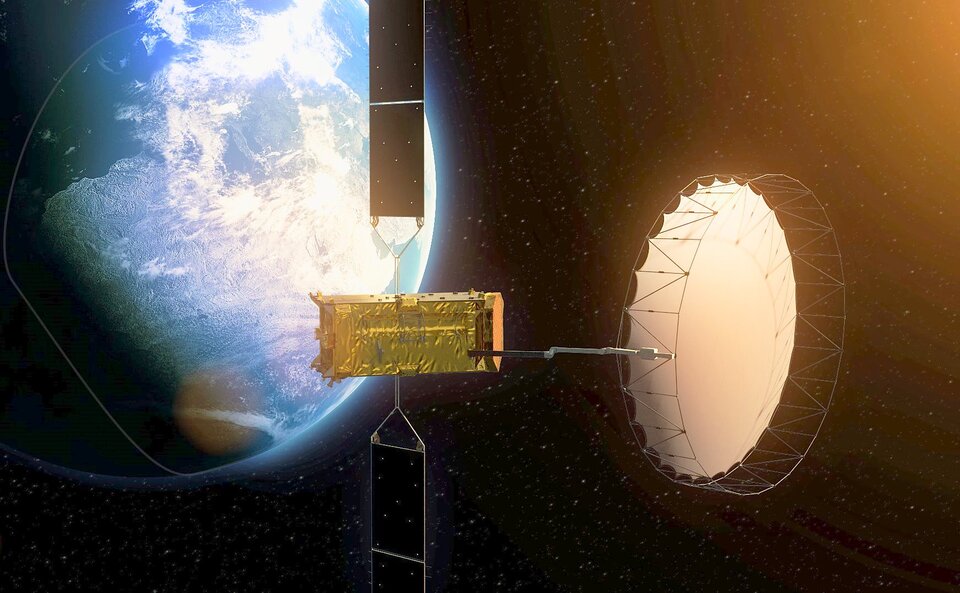
The latest telecom satellites require much larger unfoldable antennas and solar arrays to power them, for example, while the increased quantity of data produced by forthcoming science and Earth observation missions require high-accuracy pointing mechanisms associated with steerable high-gain antennas to deliver these results back to Earth.
| This article continues... |
|
Next  |
|