• → European Space Agency

      • Space for Europe
      • Space News
      • Space in Images
      • Space in Videos
    • About Us

      • Welcome to ESA
      • DG's News and Views
      • For Member State Delegations
      • Business with ESA
      • ESA Exhibitions
      • ESA Publications
      • Careers at ESA
    • Our Activities

      • Space News
      • Observing the Earth
      • Human Spaceflight
      • Launchers
      • Navigation
      • Space Science
      • Space Engineering
      • Operations
      • Technology
      • Telecommunications & Integrated Applications
    • For Public

    • For Media

      • Media
      • ESA TV
      • Videos for professionals
      • Photos
    • For Educators

    • For Kids

    • ESA

    • Space Engineering

    • What we do
    • Directorate of Technical and Quality Management (TEC)
    • Electrical
    • Electrical engineering
    • Control Systems
    • Data Systems
    • Radio Frequency Payload Systems
    • Electromagnetics and Space Environment
    • Power and Energy Conversion
    • Mechanical
    • Mechanical engineering
    • Thermal Control
    • Structures and Mechanisms
    • Mechatronics and Optics, incl. robotics and life support
    • Propulsion and Aerothermodynamics
    • Systems
    • Systems and software engineering
    • Software Systems
    • Systems Engineering, incl. cost engineering
    • Technology programmes
    • Product Assurance
    • Product Assurance
    • Flight Safety
    • Dependability
    • Quality Management and Assurance
    • Materials and Processes
    • Electronic Components
    • Software Product Assurance
    • Standards
    • Requirements and standards
    • European Cooperation for Space Standardization (ECSS)
    • European Space Components Coordination (ESCC)
    • Services
    • ESA calendar of events
    • Subscribe

    ESA > Our Activities > Space Engineering

    Note for Editors: High-Power RF Laboratory

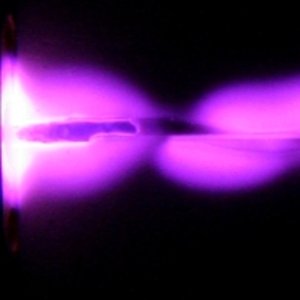
    Corona discharge glow in a microstrip RF component tested at ESTEC
    29 March 2010

    There are numerous laboratories specialising in radio frequency (RF) matters, but ESA’s High-Power RF Laboratory is the only one exclusively studying a harmful trio of high-power RF effects.

    The first of the phenomena that the Laboratory specialises in is called ‘multipactor’. It occurs in vacuum when an RF system’s powerful electrical field accelerates free-floating electrons found in space. The sped-up electrons strike part of the RF system structure, liberating further electrons as a result which go on to strike other parts of the structure.

    A single electron is all it can take to begin the multipactor chain reaction. Harmful results from the resulting avalanche of electrons include signal interference and surface erosion.

    ‘Corona’ effects are induced by the presence of vestigial gases around the RF system, perhaps due to outgassing as system components heat up or else the leaking of air trapped inadvertently inside spacecraft parts. This air is ionised by high-power RF signals, causing glowing discharges which can lead to localised heating as well as signal degradation and sometimes harmful electrical discharges.

    Finally ‘passive intermodulation’ (PIM) takes place when powerful outgoing antenna signals are distorted to cause interference to an adjacent receiver, blocking it from receiving weaker incoming signals.

    In the past quarter of a century the Laboratory has provided support to many ESA missions including ERS, Envisat, Artemis and MetOp. Most recently it has assisted Galileo, BepiColombo, Aeolus and Alphasat. In April its work at ESTEC will conclude with an Alphasat test campaign before restarting in Valencia this July.

    Rate this

    Views

    Share

    • Currently 0 out of 5 Stars.
    • 1
    • 2
    • 3
    • 4
    • 5
    Rating: 0/5 (0 votes cast)

    Thank you for rating!

    You have already rated this page, you can only rate it once!

    Your rating has been changed, thanks for rating!

    17
    Tweet
      • Note for Editors: High-Power RF Laboratory
        • Signature switches ESA lab from Netherlands to Spain
        • Related links
        • RF Payload Systems Laboratories
        • ESA External Laboratories (Electrical)
        • Selection Campaigns
        • Life support pilot plant paves the way to Moon and beyond
          • ESA’s High Power RF Laboratory transferring to Spain

    Connect with us

    • RSS
    • Youtube
    • Twitter
    • Flickr
    • G+
    • Facebook
    • Livestream
    • Subscribe
    • App Store
    • LATEST ARTICLES
    • · Rare merger reveals secrets of gal…
    • · Watching for hazards: ESA opens as…
    • · ESA astronaut Timothy Peake set fo…
    • · Space drives e-mobility
    • · Proba-V opens its eyes
    • FAQ

    • Jobs at ESA

    • Site Map

    • Contacts

    • Terms and conditions