• → European Space Agency

      • Space for Europe
      • Space News
      • Space in Images
      • Space in Videos
    • About Us

      • Welcome to ESA
      • DG's News and Views
      • For Member State Delegations
      • Business with ESA
      • ESA Exhibitions
      • ESA Publications
      • Careers at ESA
    • Our Activities

      • Space News
      • Observing the Earth
      • Human Spaceflight
      • Launchers
      • Navigation
      • Space Science
      • Space Engineering
      • Operations
      • Technology
      • Telecommunications & Integrated Applications
    • For Public

    • For Media

    • For Educators

    • For Kids

    • ESA

    • Space Science

    • Our Universe
    • About Space Science
    • ESA's 'Cosmic Vision'
    • Science missions
    • Mission navigator
    • Target groups
    • For Media
    • For Scientists
    • For Kids
    • Multimedia
    • Science images
    • Science videos
    • Animations
    • Downloads
    • Sounds from space
    • Resources
    • Reference section
    • Services
    • FAQs
    • Glossary
    • Help
    • Portal terms of use
    • Comments
    • Follow us
    • RSS feeds
    • ESA Sci on Twitter
    • ESA Space Science Images on Flickr
    • ESA 3D on Flickr

    ESA > Our Activities > Space Science > Exploring space

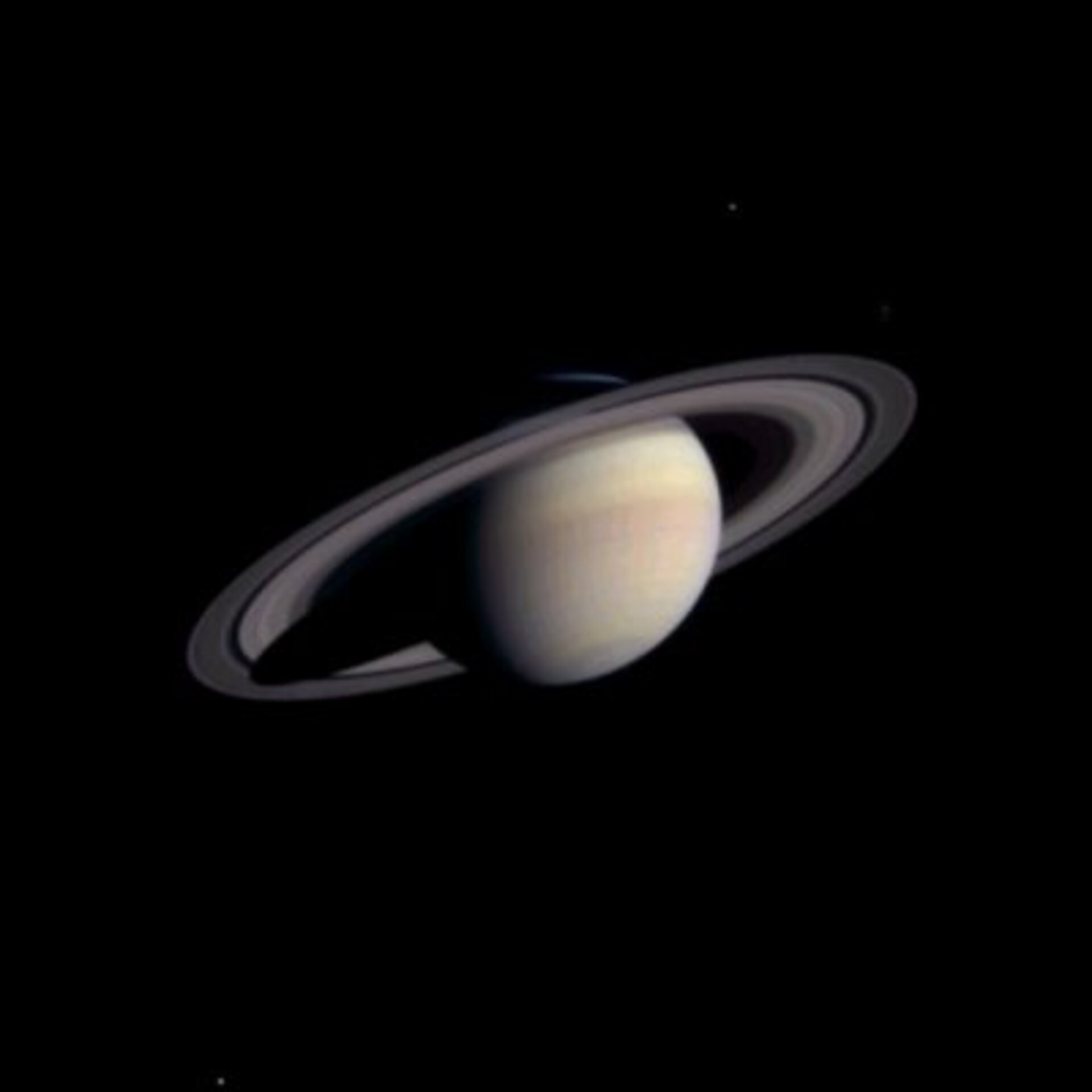
    Saturn
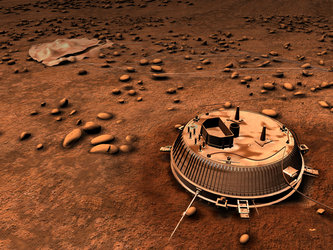
    Saturn from 111 kilometres

    Saturn from 111 million kilometres

    This image shows Saturn as seen from NASA/ESA's Cassini-Huygens spacecraft, on 9 November 2003, when it was about 111 million kilometres from the planet.

    The view offered by this photo is very different from the one we can get from Earth: it shows Saturn's dark side! As Cassini-Huygens approaches its target, its vision of Saturn's atmosphere and rings will sharpen dramatically. Once it has arrived in July 2004, Cassini-Huygens will begin to study the Saturnian system, effectively becoming its first artificial moon.

    "After more than a decade of preparation and waiting for arrival, it is satisfying to see the Saturnian moons in this approach picture," said Dr Gerhard Neukum, an imaging team member and professor at the Freie Universitaet, Berlin, Germany.

    In January 2005, Cassini-Huygens will approach Titan, Saturn's largest natural moon, and will release ESA's Huygens probe into its atmosphere. Huygens will descend down to the surface of Titan, studying the complex organic chemistry there that may provide clues as to how life began on Earth.


    Credit: NASA

    Last update: 21 May 2004

    Rate this

    Views

    Share

    • Currently 0 out of 5 Stars.
    • 1
    • 2
    • 3
    • 4
    • 5
    Rating: 0/5 (0 votes cast)

    Thank you for rating!

    You have already rated this page, you can only rate it once!

    Your rating has been changed, thanks for rating!

    22
    Tweet
    • More about...
      • Cassini-Huygens factsheet
      • Related links
      • NASA JPL Cassini-Huygens site
      • Italian Space Agency (ASI)

    Connect with us

    • RSS
    • Youtube
    • Twitter
    • Flickr
    • G+
    • Facebook
    • Livestream
    • Subscribe
    • App Store
    • LATEST ARTICLES
    • · Rare merger reveals secrets of gal…
    • · Watching for hazards: ESA opens as…
    • · ESA astronaut Timothy Peake set fo…
    • · Space drives e-mobility
    • · Proba-V opens its eyes
    • FAQ

    • Jobs at ESA

    • Site Map

    • Contacts

    • Terms and conditions