• → European Space Agency

      • Space for Europe
      • Space News
      • Space in Images
      • Space in Videos
    • About Us

      • Welcome to ESA
      • DG's News and Views
      • For Member State Delegations
      • Business with ESA
      • ESA Exhibitions
      • ESA Publications
      • Careers at ESA
    • Our Activities

      • Space News
      • Observing the Earth
      • Human Spaceflight
      • Launchers
      • Navigation
      • Space Science
      • Space Engineering
      • Operations
      • Technology
      • Telecommunications & Integrated Applications
    • For Public

    • For Media

    • For Educators

    • For Kids

    • ESA

    • Space Science

    • Our Universe
    • About Space Science
    • ESA's 'Cosmic Vision'
    • Science missions
    • Mission navigator
    • Target groups
    • For Media
    • For Scientists
    • For Kids
    • Multimedia
    • Science images
    • Science videos
    • Animations
    • Downloads
    • Sounds from space
    • Resources
    • Reference section
    • Services
    • FAQs
    • Glossary
    • Help
    • Portal terms of use
    • Comments
    • ESA Press Releases
    • Follow us
    • RSS feeds
    • ESA Sci on Twitter
    • ESA Space Science Images on Flickr
    • ESA 3D on Flickr

    ESA > Our Activities > Space Science

    ISO factsheet

    Probing the cool and hidden Universe

    Name ISO stands for the Infrared Space Observatory.

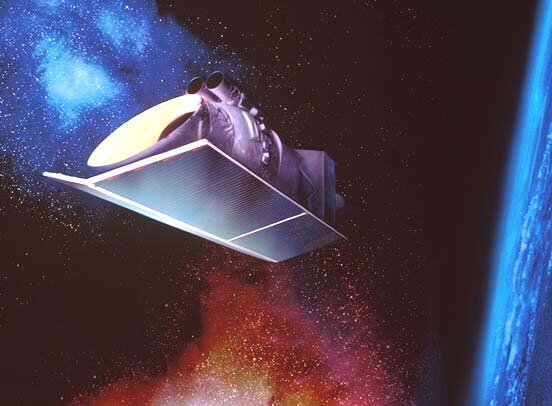
    Description In its time, the Infrared Space Observatory (ISO) was the most sensitive infrared satellite ever launched. ISO made particularly important studies of the dusty regions of the Universe, where visible light telescopes can see nothing. The wealth of data collected by ISO still produces important science results.


    Launch 17 November 1995 (Ariane 44P launcher at Kourou, French Guiana).

    Status Completed (1998).

    Journey ISO's highly elliptical orbit around the Earth took almost 24 hours. For almost 17 hours per day, ISO was outside the radiation belts surrounding Earth. Scientists could operate all ISO's detectors during this time.

    Notes On average, ISO performed 45 observations per revolution (a period of almost 24 hours) - an observation every 32 minutes.

    Infrared radiation is primarily 'heat', or thermal radiation. Even 'cold' ice cubes, emit infrared radiation. For this reason, ISO, which operates at wavelengths from 2.5 to 240 microns, could observe objects that remain hidden for optical telescopes, such as cool objects that are unable to emit in visible light.

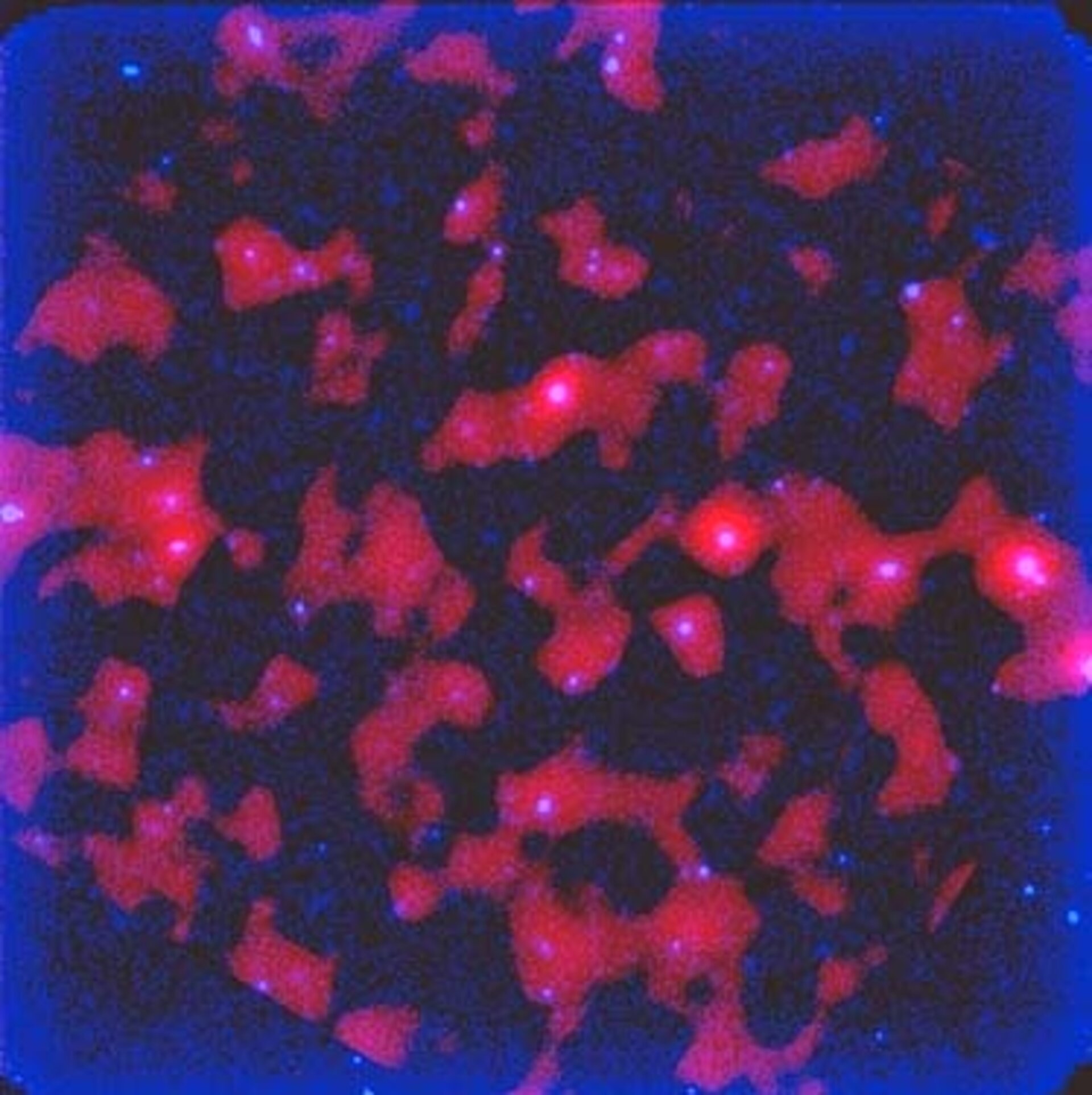
    ISO has observed many galaxies which are half as old as the Universe by staring through a window in the dust of our own Milky Way Galaxy, called the Lockman Hole.

    Observing the cool Universe requires cool instruments that can work at temperatures close to absolute zero, -273°C. ISO used a coolant to maintain a low temperature.

    In April 1998, ISO ran out of the coolant needed to keep its detectors working. ISO was switched off in May 1998. Prior to this, scientists changed its orbit to make the satellite eventually burn up in the Earth's atmosphere (possibly in 2014).

    Last update: 28 July 2003

    Rate this

    Views

    Share

    • Currently 0 out of 5 Stars.
    • 1
    • 2
    • 3
    • 4
    • 5
    Rating: 0/5 (0 votes cast)

    Thank you for rating!

    You have already rated this page, you can only rate it once!

    Your rating has been changed, thanks for rating!

    10
    facebook
    twitter
    reddit
    google plus
    digg
    tumbler
    digg
    blogger
    myspace
    • More about...
      • ISO overview
      • Other missions looking in the infrared
        • JWST factsheet
          • Herschel fact sheet

    Connect with us

    • RSS
    • Youtube
    • Twitter
    • Flickr
    • Google Buzz
    • Subscribe
    • App Store
    • ESA Science Twitter

    Follow ESA science

    • LATEST ARTICLES
    • · CryoSat hits land
    • · Ariane 5 completes seven launches …
    • · Measuring skull pressure without t…
    • · Malargüe station inauguration
    • · The solar wind is swirly
    • FAQ

    • Jobs at ESA

    • Site Map

    • Contacts

    • Terms and conditions