• → European Space Agency

      • Space for Europe
      • Space News
      • Space in Images
      • Space in Videos
    • About Us

      • Welcome to ESA
      • DG's News and Views
      • For Member State Delegations
      • Business with ESA
      • ESA Exhibitions
      • ESA Publications
      • Careers at ESA
    • Our Activities

      • Space News
      • Observing the Earth
      • Human Spaceflight
      • Launchers
      • Navigation
      • Space Science
      • Space Engineering
      • Operations
      • Technology
      • Telecommunications & Integrated Applications
    • For Public

    • For Media

      • Media
      • ESA TV
      • Videos for professionals
      • Photos
    • For Educators

    • For Kids

    • ESA

    • Space Science

    • Our Universe
    • About Space Science
    • ESA's 'Cosmic Vision'
    • Science missions
    • Mission navigator
    • Target groups
    • For Media
    • For Scientists
    • For Kids
    • Multimedia
    • Science images
    • Science videos
    • Animations
    • Downloads
    • Sounds from space
    • Resources
    • Reference section
    • Services
    • FAQs
    • Glossary
    • Help
    • Portal terms of use
    • Comments
    • Follow us
    • RSS feeds
    • ESA Sci on Twitter
    • ESA Space Science Images on Flickr
    • ESA 3D on Flickr

    ESA > Our Activities > Space Science > Space sensations

    2004 Perseids are coming

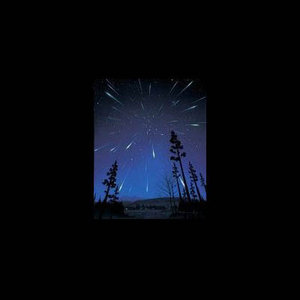
    Perseid meteor stream
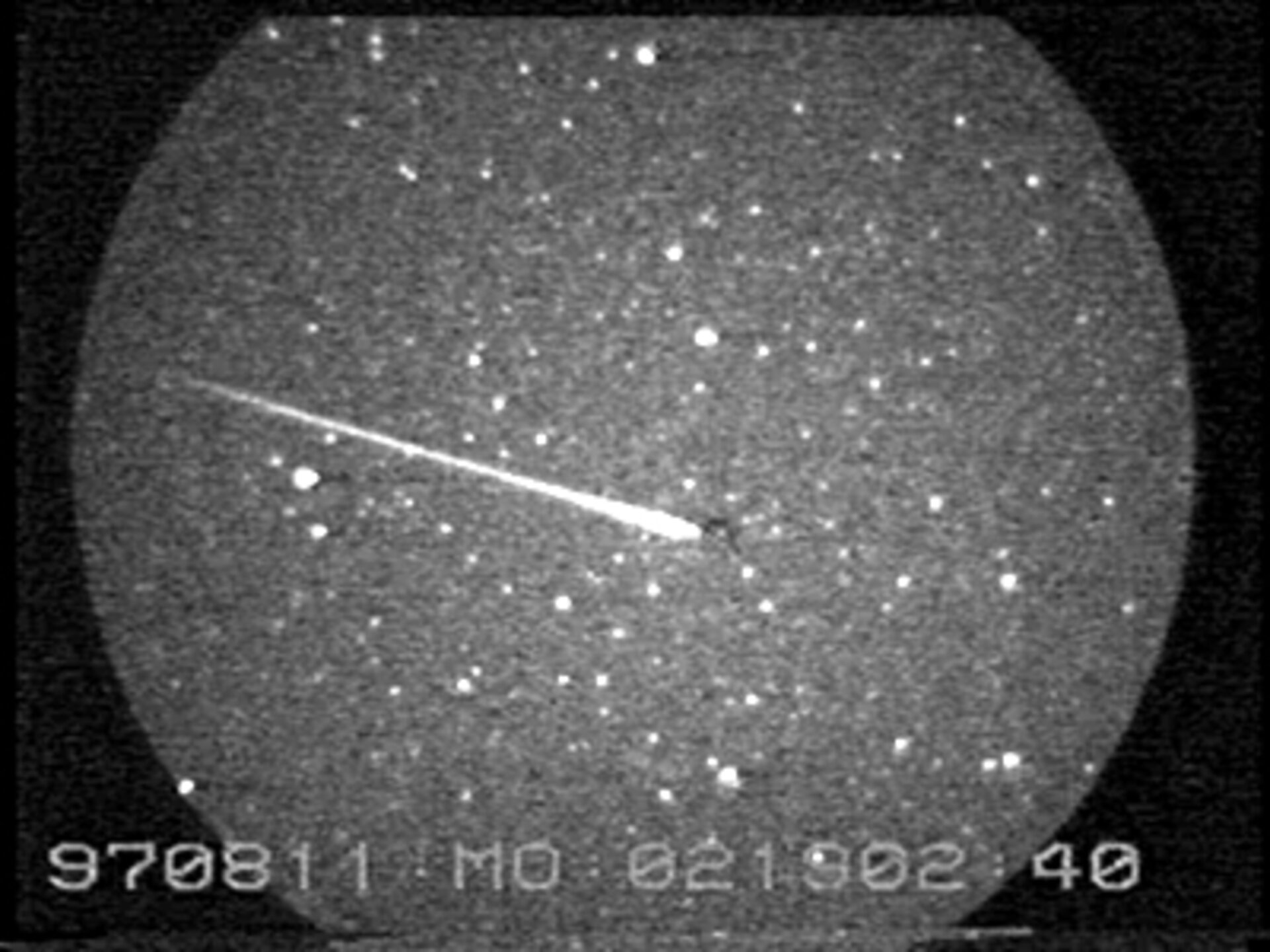
    A Perseid meteor image, recorded by an ESA video image intensifier camera
    21 July 2004

    The annual Perseid meteor shower is coming, and astronomers say it could be unusually good this year.

    The shower begins gently in mid-July when Earth enters the edge of a cloud of debris from Comet Swift-Tuttle.

    Dust-sized particles will hit our atmosphere and appear to streak across the night sky. At first there will be just a few meteors each night, but then the rate will build. The Perseids are visible between 23 July and 22 August but, by 12 August, at the peak of the shower, skywatchers can expect to see possibly 80-100 meteors per hour if skies are clear.

    This is a good year for Perseids for two reasons. First, the Moon is new in mid-August, so moonlight will not spoil the show as much as it would have done last year, had the sky been clear! Second, in addition to the usual shower on 12 August, there might be an extra show of meteors late in the evening of 11 August caused by a ‘filament’ of dust drifting across Earth's orbit for the first time.

    This filament, like all the dust in the Perseid cloud, again comes from Comet Swift-Tuttle. The difference is, the filament is relatively young. It ‘boiled’ off the comet in 1862. Other dust in the cloud is older (perhaps thousands of years old), more dispersed, and responsible for the month-long shower that peaks on 12 August. The filament will eventually disperse, too, but for now it retains some of its original ribbon shape.

    According to current predictions, Earth will move through the filament on Wednesday, 11 August at 23:00 CEST. This will produce a surge of mostly faint meteors over Europe and Asia. Because of the way Comet Swift-Tuttle’s orbit is tilted, its dust falls on Earth's northern hemisphere. Meteors appear to stream out of the constellation Perseus, which is barely visible south of the equator.

    Later that night and into the early morning hours of Thursday, 12 August, observers will see the ‘traditional’ Perseid peak caused by the older dust from Swift-Tuttle. The best time to look for these traditional Perseids is during the hours before dawn on Thursday.


    How to observe the Perseids
    Meteor showers
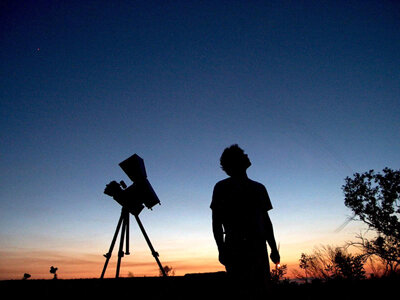
    Checking the sky for meteors

    The best way to observe them is to look towards the northeast after dark. They appear to originate from the constellation of Perseus which at midnight lies just below the easily recognisable 'W' of Cassiopeia.

    Try looking around 22:00-23:00 CEST on Wednesday, when Perseus is hanging low in the eastern sky. You won't see many meteors then, but the ones you do see could be memorable. On Thursday morning, the highest frequency of meteors is likely just before dawn.

    Rate this

    Views

    Share

    • Currently 0 out of 5 Stars.
    • 1
    • 2
    • 3
    • 4
    • 5
    Rating: 0/5 (0 votes cast)

    Thank you for rating!

    You have already rated this page, you can only rate it once!

    Your rating has been changed, thanks for rating!

    13
    Tweet
    • ESA's comet chaser
    • More about...
      • Giotto overview
        • Rosetta overview
        • Related articles
          • About the Leonids
            • Shooting-star spectacle in August, 2003
              • 2004 Perseids are coming
                • New study reveals twice as many asteroids as previously believed

    Connect with us

    • RSS
    • Youtube
    • Twitter
    • Flickr
    • G+
    • Facebook
    • Livestream
    • Subscribe
    • App Store
    • LATEST ARTICLES
    • · Rare merger reveals secrets of gal…
    • · Watching for hazards: ESA opens as…
    • · ESA astronaut Timothy Peake set fo…
    • · Space drives e-mobility
    • · Proba-V opens its eyes
    • FAQ

    • Jobs at ESA

    • Site Map

    • Contacts

    • Terms and conditions