• → European Space Agency

      • Space for Europe
      • Space News
      • Space in Images
      • Space in Videos
    • About Us

      • Welcome to ESA
      • DG's News and Views
      • For Member State Delegations
      • Business with ESA
      • ESA Exhibitions
      • ESA Publications
      • Careers at ESA
    • Our Activities

      • Space News
      • Observing the Earth
      • Human Spaceflight
      • Launchers
      • Navigation
      • Space Science
      • Space Engineering
      • Operations
      • Technology
      • Telecommunications & Integrated Applications
    • For Public

    • For Media

      • Media
      • ESA TV
      • Videos for professionals
      • Photos
    • For Educators

    • For Kids

    • ESA

    • Technology

    • Technology Transfer

    • About technology
    • Foundation of innovation
    • A solid investment
    • Going up
    • Competitive edge
    • Supporting science
    • Giant leaps
    • Cross-Cutting Initiatives
    • Strategy and harmonisation
    • About strategy and harmonisation
    • Generic technology programmes
    • Basic Technology Research Programme (TRP)
    • General Support Technology Programme (GSTP)
    • Technology Transfer Programme (TTP)
    • European Components Initiative (ECI)
    • Technology in domain programmes
    • Technology in Domain programmes
    • Services
    • ESA Conferences
    • RSS feeds
    • Subscribe

    ESA > Our Activities > Technology

    Note for Editors: 3D printing/additive layer manufacturing

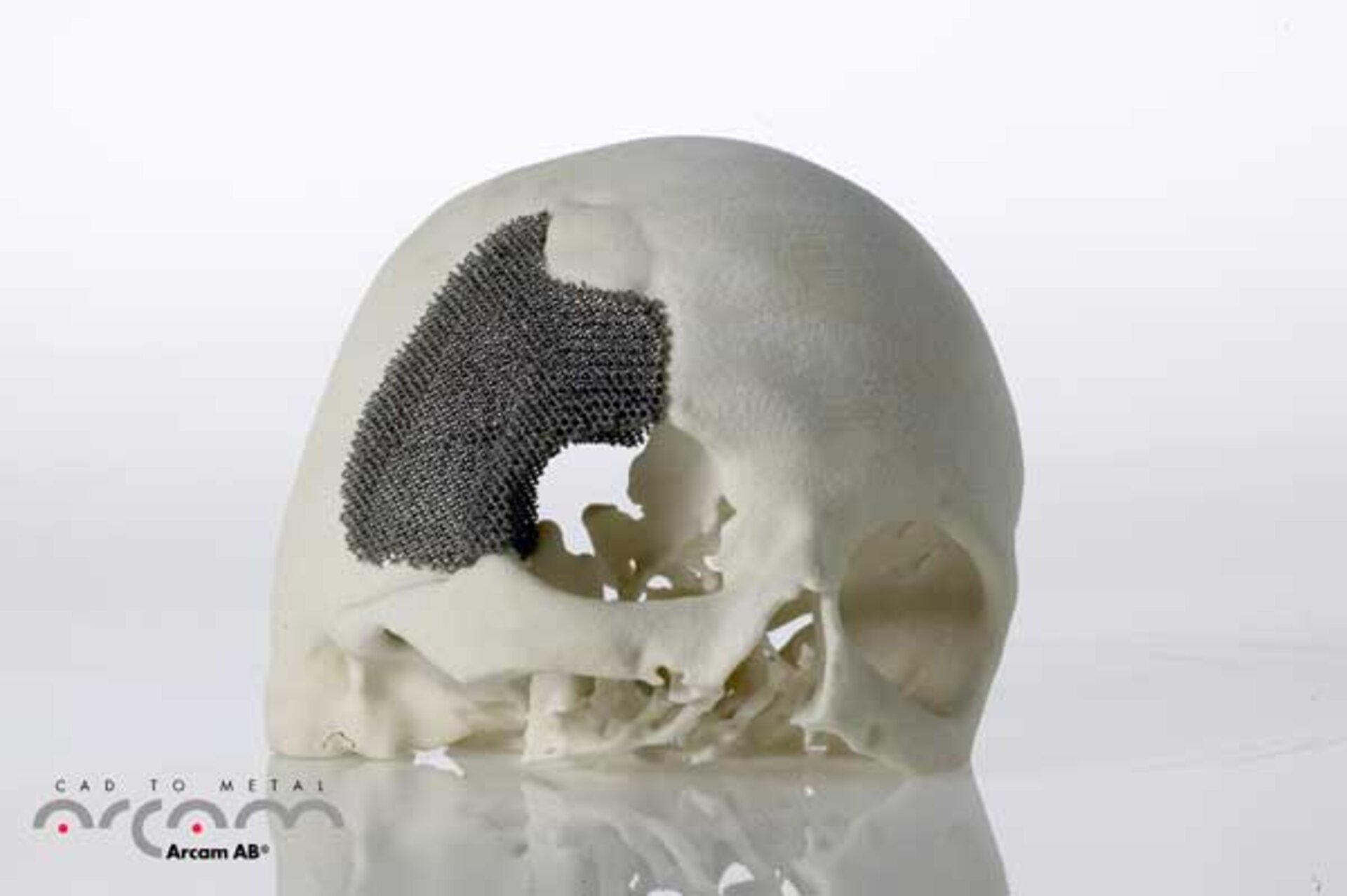
    3D-printed skull implant
    30 January 2013

    3D printing, otherwise known as additive layer manufacturing, is regarded by ESA as an extremely promising technology for the space industry.

    As its synonym suggests, it involves the construction of a solid object from a series of layers – each one printed on top of the last.

    The raw material is generally powder that is heated or chemically cemented into a solid. Alternatively, liquids or wires can be used as raw materials.

    Additive layer manufacturing is a hugely versatile technique: anything that can be designed within computer-aided design (CAD) software can then be printed as a physical item, providing that the specific design limits of the process are respected. 

    This allows building items of a complexity far beyond what can be achieved using conventional machining technologies.

    It is also extremely resource-efficient, offering mass savings of anything between 50% to 95% compared to traditional manufacturing, where surplus materials are cut away to form the desired component.

    With additive layer manufacturing, only what is needed is used and the number of manufacturing steps are reduced as well.

    ESA is investigating additive layer manufacturing as part of its Clean Space initiative, seeking to apply innovative technologies to reduce the environmental impacts of the space industry.
    Rate this

    Views

    Share

    • Currently 5 out of 5 Stars.
    • 1
    • 2
    • 3
    • 4
    • 5
    Rating: 4.75/5 (4 votes cast)

    Thank you for rating!

    You have already rated this page, you can only rate it once!

    Your rating has been changed, thanks for rating!

    731
    Tweet
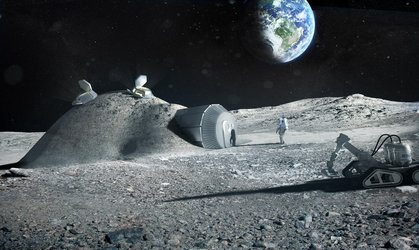
      • Building a lunar base with 3D printing
      • Clean Space website

    Connect with us

    • RSS
    • Youtube
    • Twitter
    • Flickr
    • G+
    • Facebook
    • Livestream
    • Subscribe
    • App Store
    • LATEST ARTICLES
    • · The fast winds of Venus are gettin…
    • · ExoMars 2016 set to complete const…
    • · Herschel ends operations as orbiti…
    • · Europe’s largest spaceship reache…
    • · ATV ready to nose up to Station
    • FAQ

    • Jobs at ESA

    • Site Map

    • Contacts

    • Terms and conditions