• → European Space Agency

      • Space for Europe
      • Space News
      • Space in Images
      • Space in Videos
    • About Us

      • Welcome to ESA
      • DG's News and Views
      • For Member State Delegations
      • Business with ESA
      • ESA Exhibitions
      • ESA Publications
      • Careers at ESA
    • Our Activities

      • Space News
      • Observing the Earth
      • Human Spaceflight
      • Launchers
      • Navigation
      • Space Science
      • Space Engineering
      • Operations
      • Technology
      • Telecommunications & Integrated Applications
    • For Public

    • For Media

    • For Educators

    • For Kids

    • ESA

    • Technology Transfer

    • Business Incubation

    • Business Opportunities

    • Space Solutions

    • Technology Transfer Programme Office
    • About us
    • Benefits
    • Business with Technology Transfer
    • Technology Transfer Process
    • Technology Transfer Network
    • Technology Transfer Opportunities
    • Business with the Incubator
    • Mission
    • Locations
    • How to apply
    • Business with the Fund
    • Open Sky Technologies Fund
    • ESA intellectual property (IP)
    • IP for commercialisation
    • Services
    • Subscribe
    • Contact us

    ESA > Our Activities > Technology > TTP2

    SkinCare experiment on board the ISS

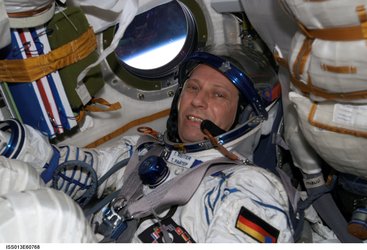
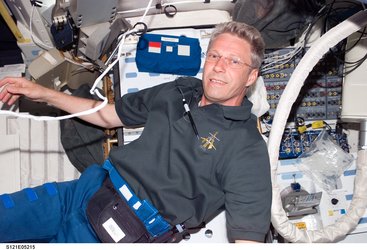
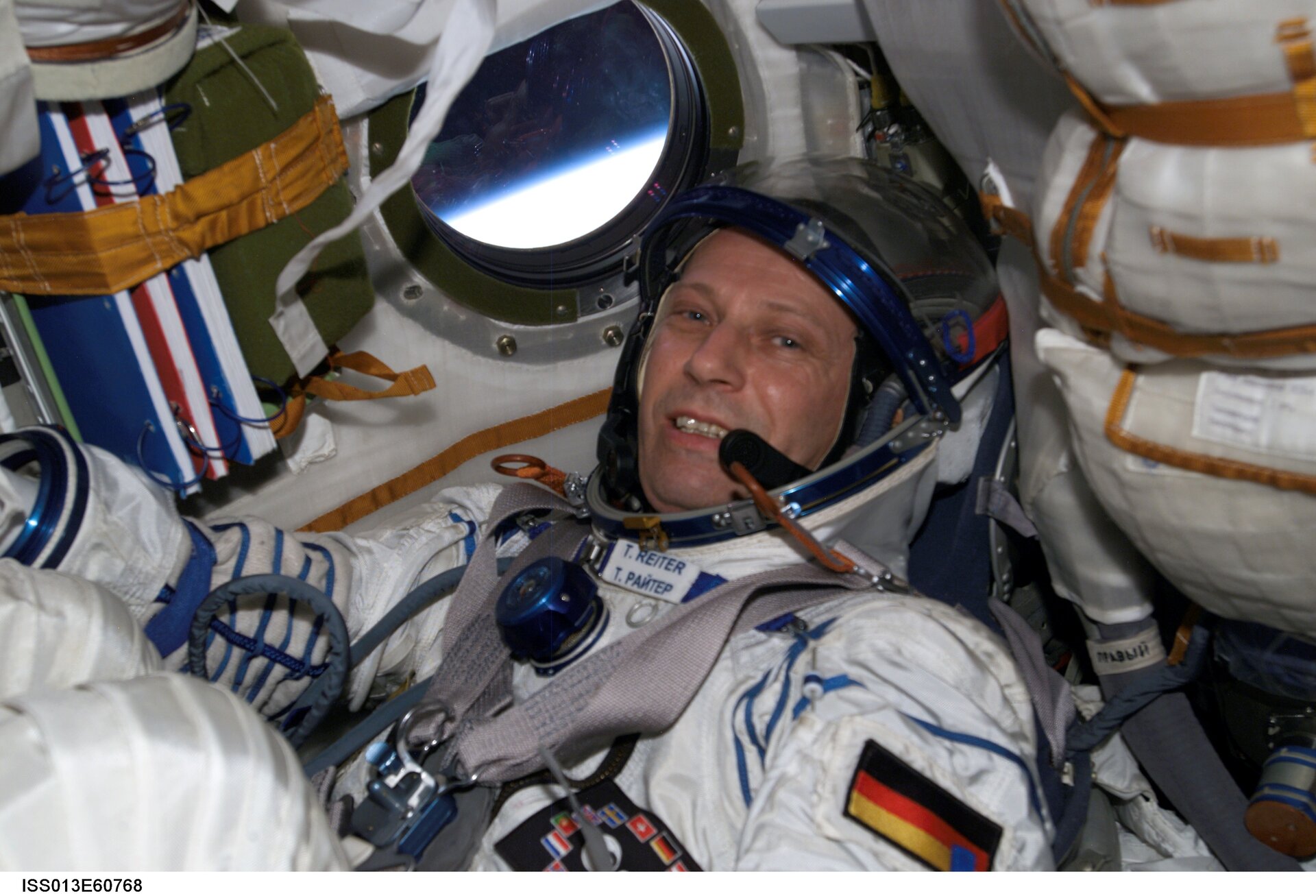
    The commercial SkinCare Experiment was performed during Thomas Reiter's Astrolab Mission
    16 February 2007

    A commercial research project, the SkinCare experiment, was performed on board the International Space Station (ISS) to investigate physiological changes of human skin in space.

    The aim of this experiment was the systematic examination of the effects of space on human skin, in order to draw general conclusions on the skin ageing processes. It is expected that weightlessness and the particular environment on board the ISS during long-duration missions result in accelerated skin ageing and could finally allow the investigation of skin ageing parameters and corresponding countermeasures in much shorter time than on Earth.

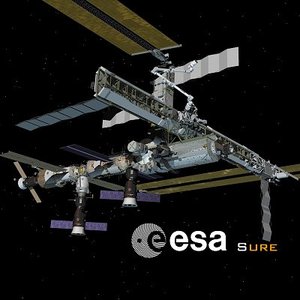
    ISS configuration following STS-116
    ISS environment expected to result in accelerated skin ageing

    During ESA’s Astrolab Mission, the physiological parameters of human skin were measured and recorded every two weeks for the duration of three months. The measurements were performed by non-invasive instruments that were technically adapted and qualified for the assignment on board the ISS by the company Kayser-Threde GmbH of Munich, Germany.

    “It was the first application of these measurement instruments in space and our expectations were completely fulfilled. The customers and we are very satisfied with the technical performance of the devices and now looking forward to the results,” says Dr Michael Massow, managing director of ISS Lab Ruhr GmbH, ESA’s Commercial Agent for Biotechnology, Health, Food and Nutrition. The skin measurement devices will remain on board the ISS and will be available for further experiments.

    Read more about the official results of the SkinCare Experi-ment on the ISS in the next issue of ‘SPACE FOR BUSINESS’
    Rate this

    Views

    Share

    • Currently 0 out of 5 Stars.
    • 1
    • 2
    • 3
    • 4
    • 5
    Rating: 0/5 (0 votes cast)

    Thank you for rating!

    You have already rated this page, you can only rate it once!

    Your rating has been changed, thanks for rating!

    35
    Tweet
    • Newsletter - February 2007
      • “I am NOT a tourist”
        • Successful SURE initiative - 10 scientific and industrial proposals selected
          • SkinCare experiment on board the ISS
          • Related articles
            • Astronauts experiment on skin care
            • Astrolab mission logo
              Astrolab mission logo
              Astrolab Mission
              • ESA Health Care Network

    Connect with us

    • RSS
    • Youtube
    • Twitter
    • Flickr
    • G+
    • Facebook
    • Livestream
    • Subscribe
    • App Store
    • LATEST ARTICLES
    • · ESA astronaut Timothy Peake set fo…
    • · Space drives e-mobility
    • · Proba-V opens its eyes
    • · First new Galileo satellite arrive…
    • · Next destination: space
    • FAQ

    • Jobs at ESA

    • Site Map

    • Contacts

    • Terms and conditions