• → European Space Agency

      • Space for Europe
      • Space News
      • Space in Images
      • Space in Videos
    • About Us

      • Welcome to ESA
      • DG's News and Views
      • For Member State Delegations
      • Business with ESA
      • ESA Exhibitions
      • ESA Publications
      • Careers at ESA
    • Our Activities

      • Space News
      • Observing the Earth
      • Human Spaceflight
      • Launchers
      • Navigation
      • Space Science
      • Space Engineering
      • Operations
      • Technology
      • Telecommunications & Integrated Applications
    • For Public

    • For Media

      • Media
      • ESA TV
      • Videos for professionals
      • Photos
    • For Educators

    • For Kids

    • ESA

    • Technology

    • Technology Transfer

    • About technology
    • Foundation of innovation
    • A solid investment
    • Going up
    • Competitive edge
    • Supporting science
    • Giant leaps
    • Cross-Cutting Initiatives
    • Strategy and harmonisation
    • About strategy and harmonisation
    • Generic technology programmes
    • Basic Technology Research Programme (TRP)
    • General Support Technology Programme (GSTP)
    • Technology Transfer Programme (TTP)
    • European Components Initiative (ECI)
    • Technology in domain programmes
    • Technology in Domain programmes
    • Services
    • ESA Conferences
    • RSS feeds
    • Subscribe

    ESA > Our Activities > Technology

    The washable wearable antenna

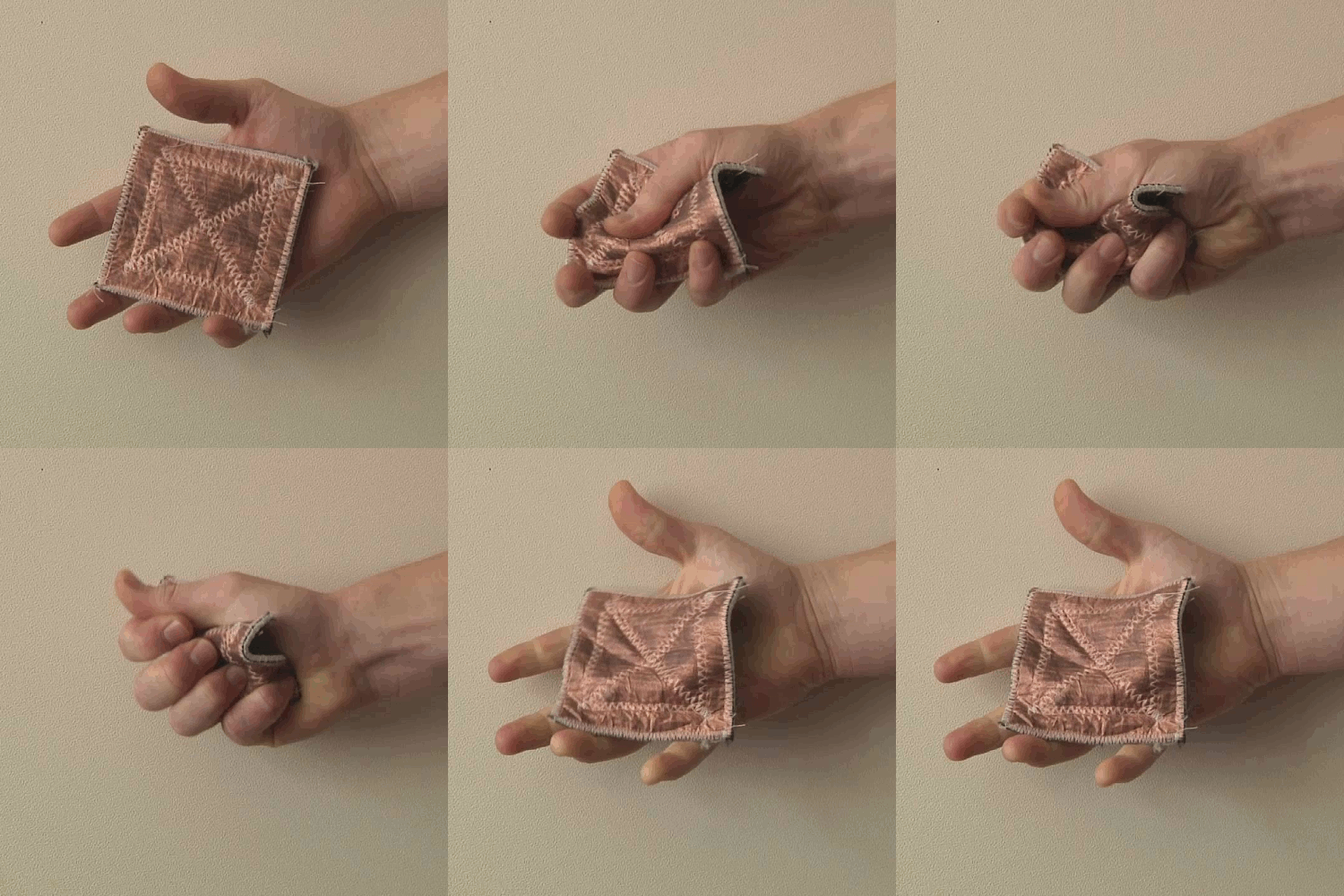
    Fabric antenna
    29 September 2011

    Wearing an antenna is making a splash in the world of search and rescue.

    ESA has provided research and development guidance to Finnish company Patria, with the help of Tampere University of Technology, in designing a search and rescue radio antenna that can be sewn into a life vest.

    Made from highly flexible, lightweight material that is robust against water exposure and moist conditions, and resistant to wear and tear, this special antenna has been designed for use by the Cospas-Sarsat worldwide search and rescue satellite system.

    Cospas-Sarsat has been operating for almost 30 years and has helped to rescue more than 26 000 victims in distress.
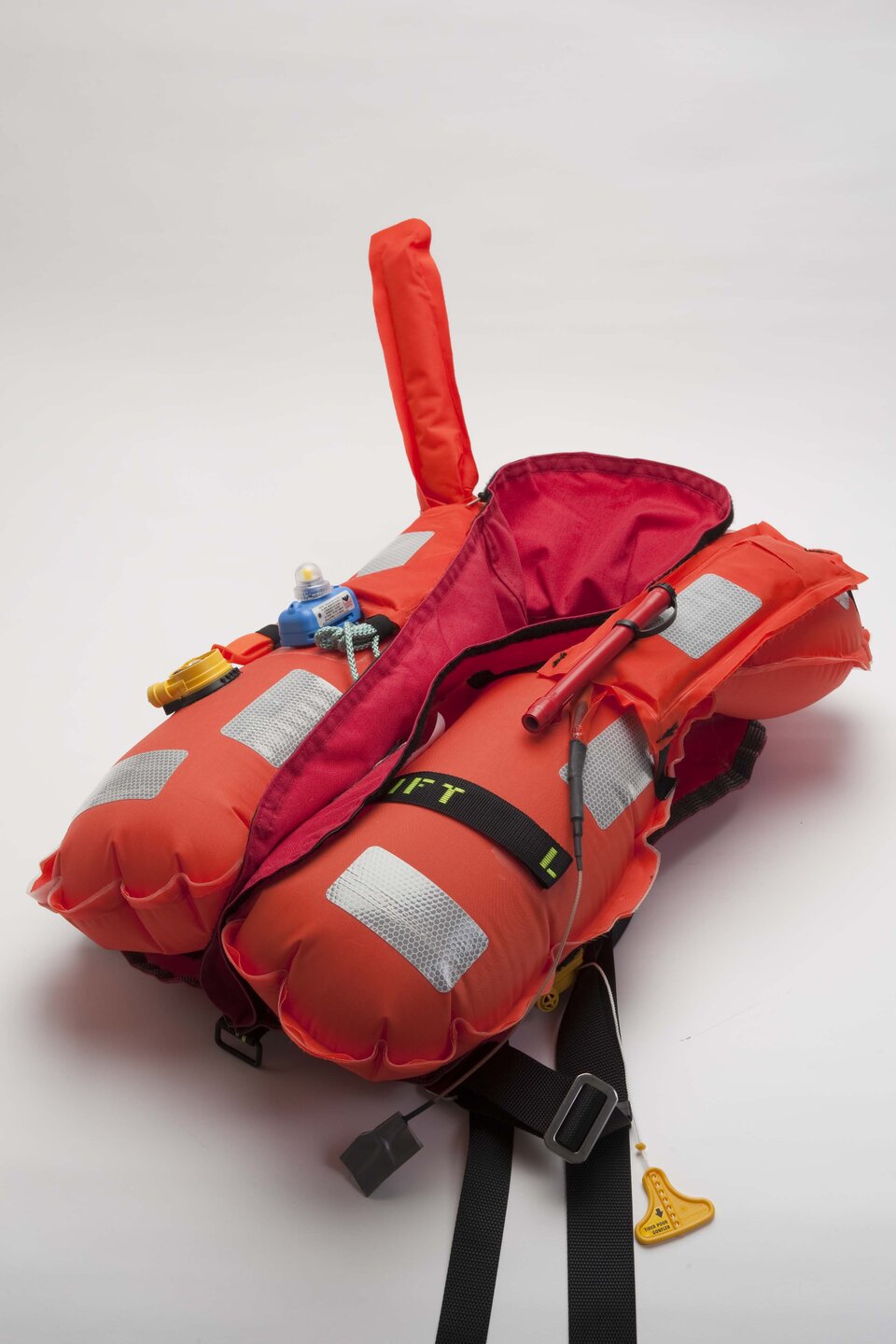

    Life vest

    Sponsored by Canada, France, Russia and the United States, the system operates 24 hours a day, 365 days a year, and aims to reduce the time required to alert rescue authorities in emergencies.

    Recent field trials with the antenna show that someone lost at sea wearing a life vest equipped with this new technology can be pinpointed within minutes.

    The Cospas-Sarsat system consists of emergency radio beacons carried by aircraft, ships or people, receivers on satellites, ground receiving stations, mission control centres and rescue coordination centres.

    When a carrier is in distress, the emergency beacon is activated. As satellites orbit Earth, they ‘listen’ for active beacons and report their position to rescue authorities.

    This new antenna works as part of the Cospas-Sarsat distress transmitter.
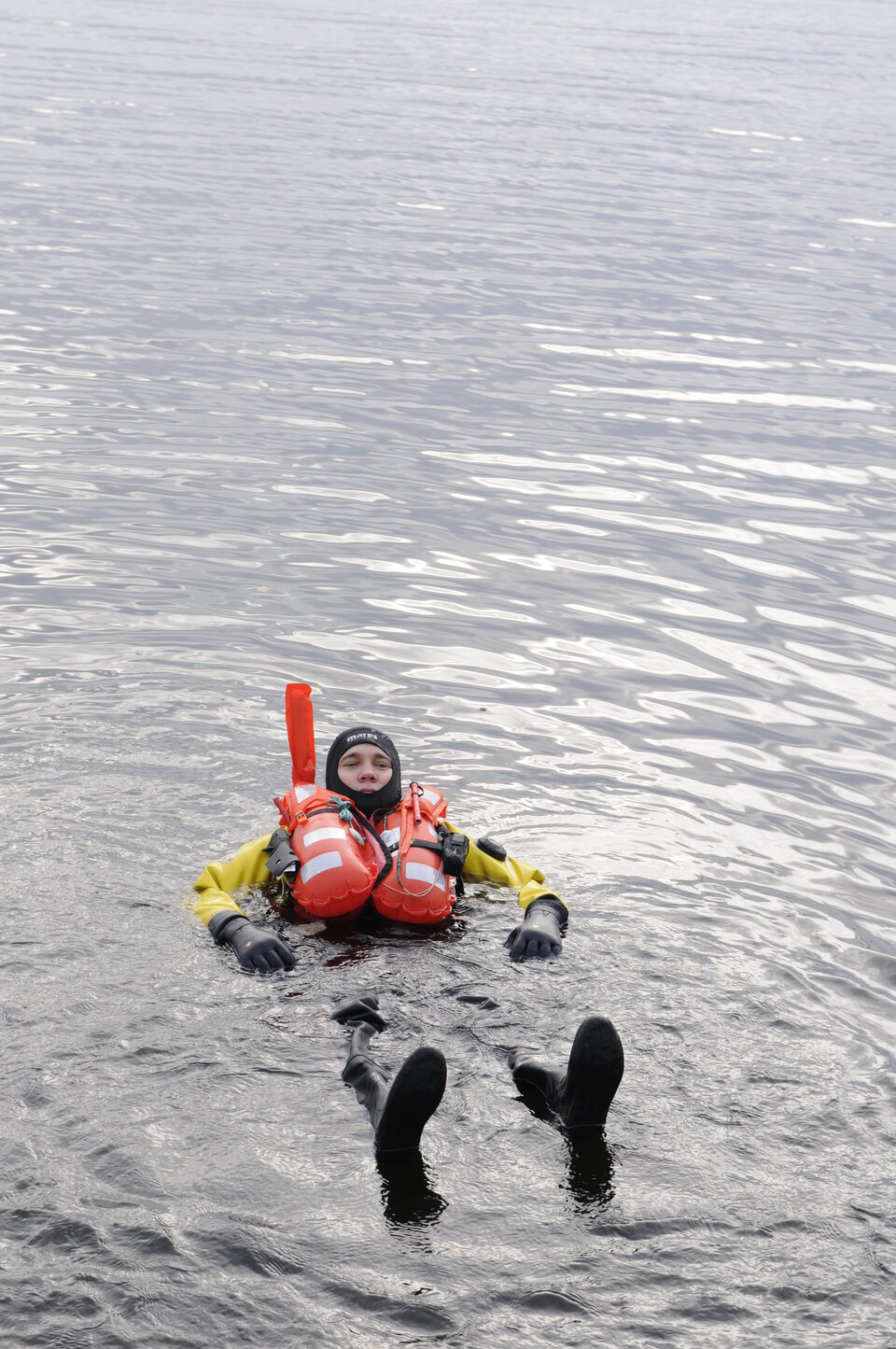
    Testing in Finland

    Its high flexibility and small size make this antenna unique, given that the Cospas-Sarsat radio frequencies are so low. With such low frequencies, an antenna is usually much larger.

    “The fact that an antenna of such a small size could be created that operates at such low frequencies is quite an accomplishment,” explains Peter de Maagt, ESA engineer.

    “This, and that the antenna works in the extreme conditions at sea, make this technology quite useful.”

    The life vests were designed by Viking life saving equipment, based in Denmark.

    In addition to integrating antennas into a life vest, a second attachable antenna is designed to be used with a diving vest.

    Rate this

    Views

    Share

    • Currently 5 out of 5 Stars.
    • 1
    • 2
    • 3
    • 4
    • 5
    Rating: 5/5 (1 votes cast)

    Thank you for rating!

    You have already rated this page, you can only rate it once!

    Your rating has been changed, thanks for rating!

    263
    Tweet
    • Telecommunications and Integrated Applications
    • Wearable antenna technical information
    • Cospas/SarSAT Antennas
    • Project Partners
    • Patria
    • Tampere University of Technology
    • VIKING Life-Saving Equipment

    Connect with us

    • RSS
    • Youtube
    • Twitter
    • Flickr
    • G+
    • Facebook
    • Livestream
    • Subscribe
    • App Store
    • LATEST ARTICLES
    • · The fast winds of Venus are gettin…
    • · ExoMars 2016 set to complete const…
    • · Herschel ends operations as orbiti…
    • · Europe’s largest spaceship reache…
    • · ATV ready to nose up to Station
    • FAQ

    • Jobs at ESA

    • Site Map

    • Contacts

    • Terms and conditions
