

Treating disaster victims via satellite
A major disaster struck southern Germany on Thursday 7 November, claiming numerous victims and cutting the town of Ulm off from the rest of the world. Except all the victims were actually actors and the 'disaster' was really a pre-scripted event.
In reality, Ulm was the site of a full-scale trial of the new DELTASS (Disaster Emergency Logistics Telemedicine Advanced Satellites System) system, developed by a team lead by CNES for the European Space Agency (ESA).
DELTASS uses both geostationary and low earth orbit communication satellites enabling 'top-down' management of emergency workers dispersed across a disaster zone, as well as letting medical experts located hundreds of miles away carry out on-the-spot diagnoses of casualties.
Such a fail-safe communication system for emergency telemedicine greatly multiplies the effectiveness of rescue workers within the affected area, especially as existing communications networks might not have survived.
"A major accident does as much invisible as visible harm," said Francesco Feliciani, DELTASS Project Manager at the European Space Agency. "Apart from the damage to terrestrial communications infrastructure done by the likes of an earthquake or floods, the first thing that becomes unavailable is the cellular network, which quickly gets overloaded. We saw this in the Toulouse chemical factory explosion last year."
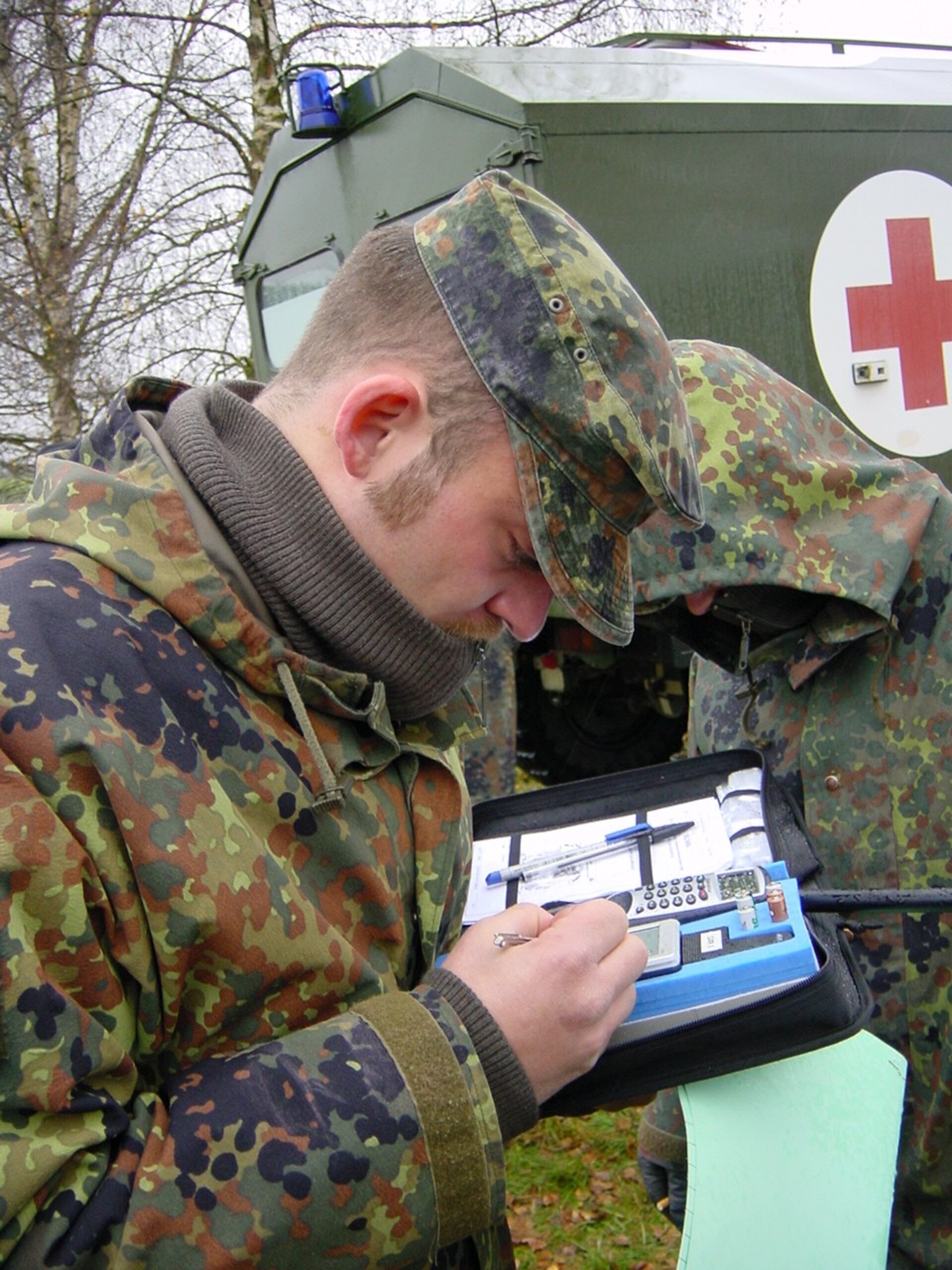
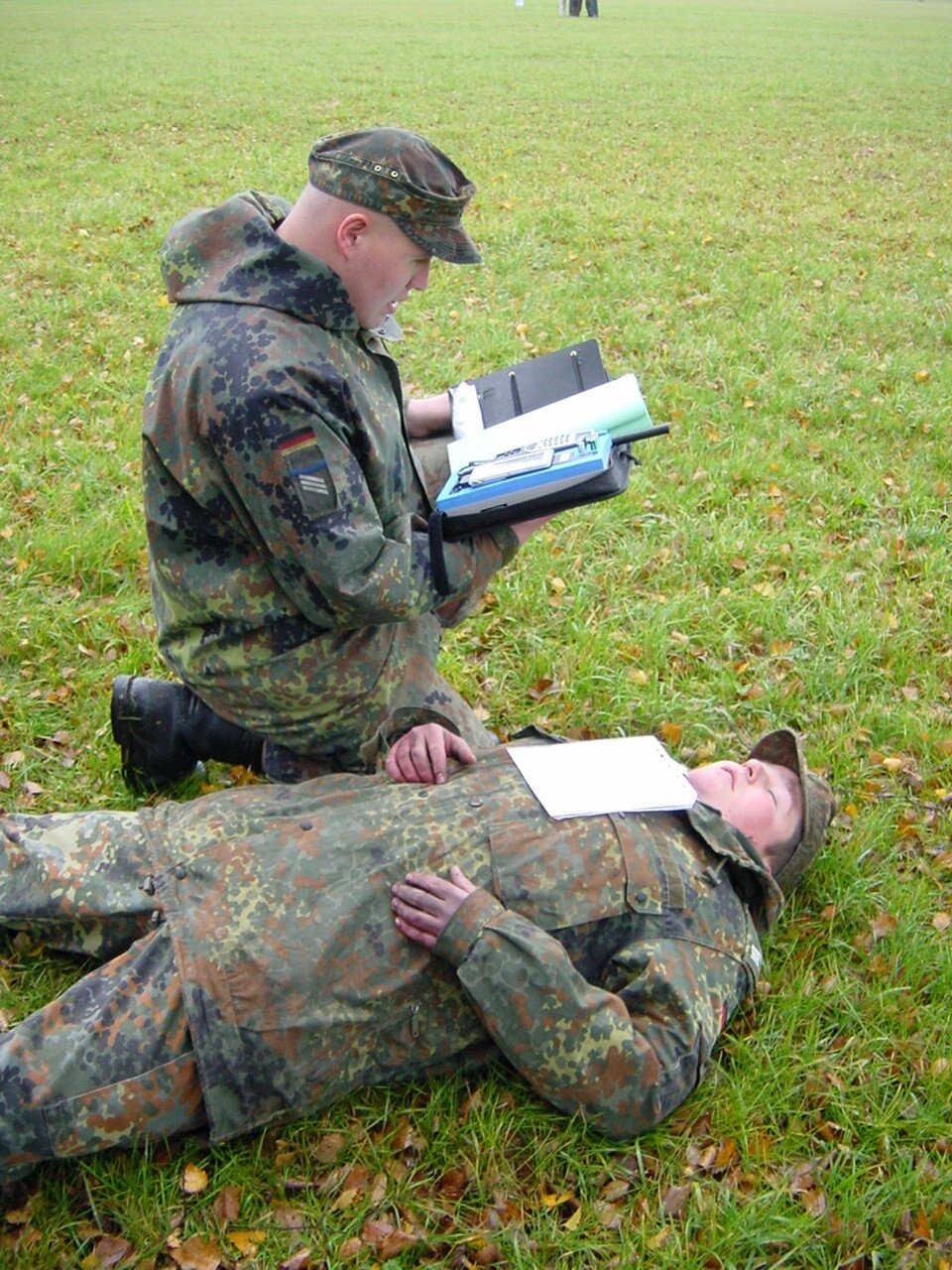
Using DELTASS, search and rescue workers entering a disaster area to identify casualties carry PDAs and satellite phones to transmit details of the victims, opening 'electronic patient forms' that stay with casualties throughout their treatment process and can be progressively updated.
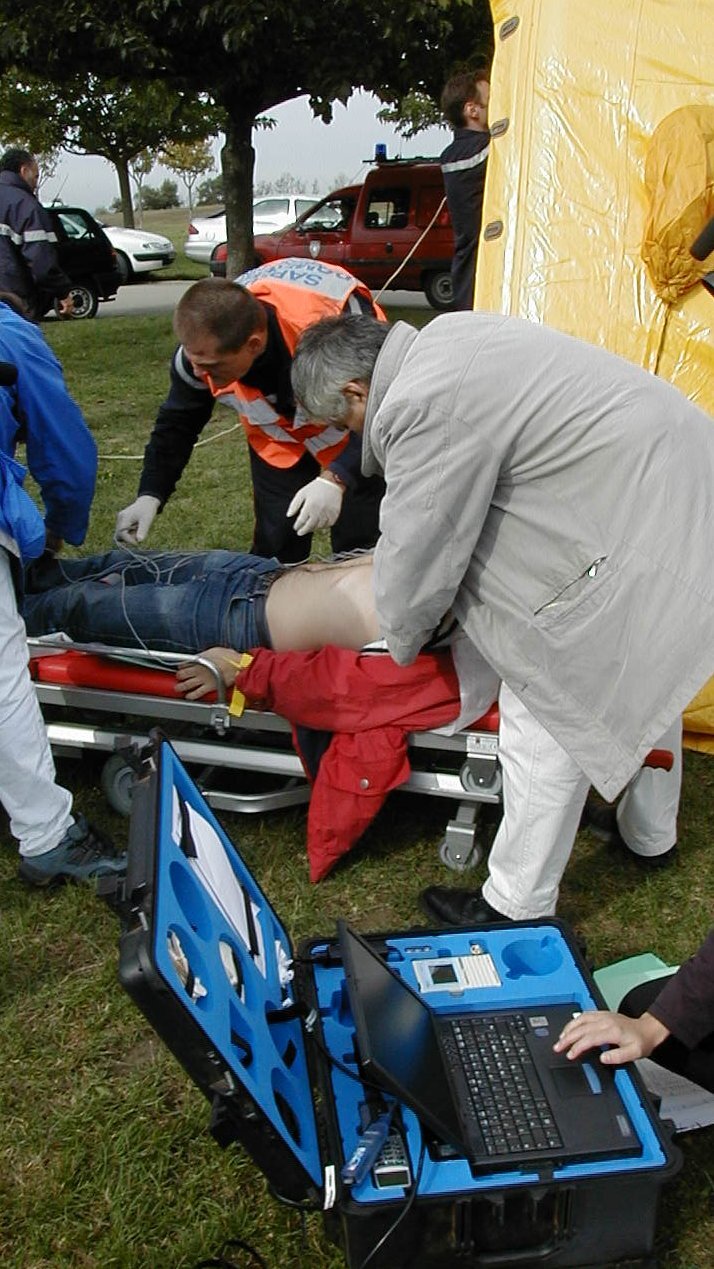
First aid and ambulance teams are equipped with Portable Telemedicine Workstations for two-way communication with medical experts at a nearby Medical Field Hospital. Patient data such as ECGs and vital signs can be transmitted along with still images of injuries.
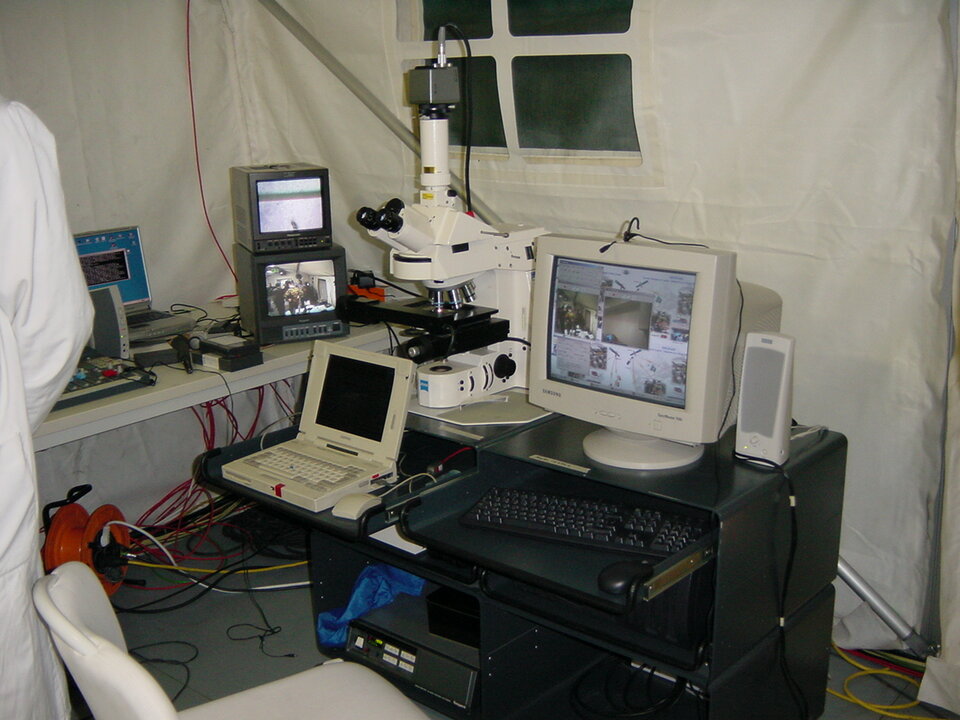
And at the hub of the DELTASS system is this Medical Field Hospital, set up within the disaster area. It is from here that mobile teams' activities are co-ordinated, patients are gathered, treated and their data tracked, and decisions are made about evacuating them elsewhere.
Broadband communication links enhances patient treatment, enabling videoconferencing with hospital staff in another country as well as telediagnosis techniques such as ultrasound.
Francesco Feliciani explained: "Most of all DELTASS allows us to 'follow' each patient from his first contact with the search and rescue team through the quite complex chain of events that characterises the diagnostic and therapeutic intervention, distributed over time and space."
During the DELTASS baptism of fire, a Mobile Field Hospital was placed in Ulm along with three search and rescue teams, a mobile ambulance and a Portable Telemedicine Workstation.
The trial proved a great success, with several actors playing ‘victims’, relayed by ambulance to the Mobile Field Hospital. A live teleconsultation link was established with a hospital in Berlin, standing in as a second opinion reference hospital.
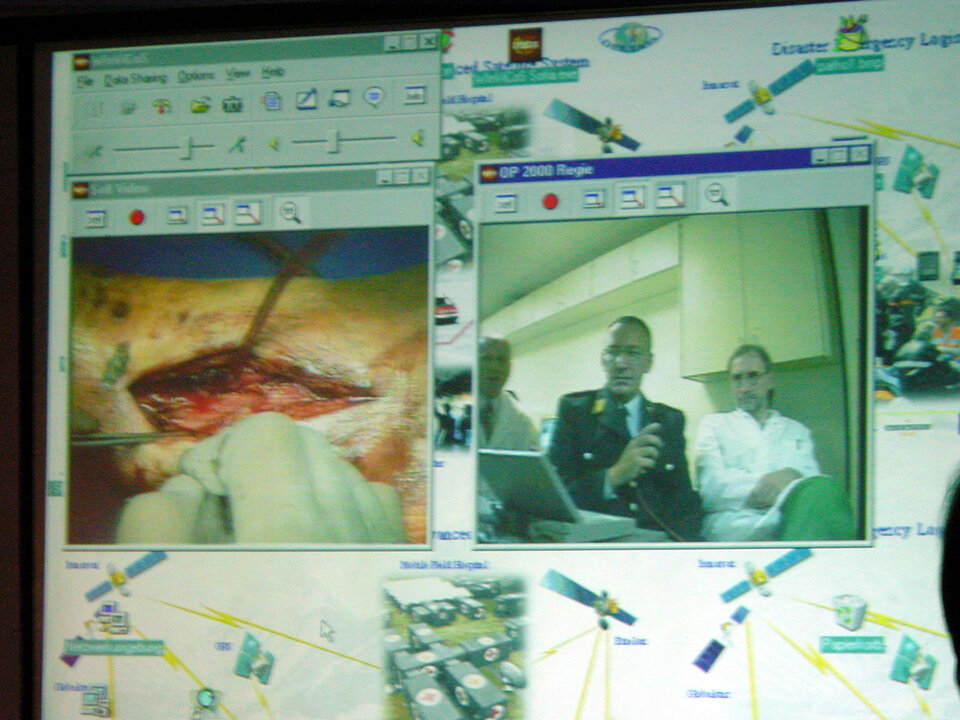
The DELTASS project commenced in July 2001. ESA worked on it with a number of partners including CNES and the French space medicine institute MEDES.
"DELTASS is an integrated solution where several hardware and software elements are used together" Francesco Feliciani said. "The real challenge was adapting and combining these elements to create a coherent set-up enabling emergency telemedicine.
"Now, following this demonstration, we are negotiating with the DELTASS team to launch a co-funded project to bring it to a real utilisation phase, to be operated by real users for actual emergency cases. We will hear more about this system in coming months!"


