ESAEducationHomeEarth from SpaceEnvironmental IssuesEnvisat for Schools
   
Cities
Landscapes
Resources
Multimedia
Image GalleryVideo Gallery
Services
Search in Eduspace


Bookmark and Share


printer friendly page
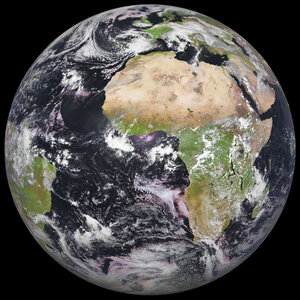
Denmark seen from a NOAA satellite
Denmark as seen from a NOAA satellite on 26 May 1992
Copenhagen - introduction
 
Earth observation satellite imagery can be used to monitor urban development and other important changes in the pattern of land use. In the NOAA images used in this case study, the resolution is of 1.1 km. In this image, Denmark can be seen on the far left.  
 
Landsat 4 image of Copenhagen, taken on 5 June 1990
Landsat 4 image of Copenhagen taken on 5 June 1990
The Landsat images used here have a resolution of 30 m. Their higher resolution enables far more details to be detected in comparison to the NOAA images.

In the image on the right the colours are artificially selected to enhance the variations in land use. Notice how densely built-up areas appear different to other land use.
 
 
Landsat 5 image of Copenhagen taken on 26 June 1992
The Landsat 5 images have 7 channels, a resolution of 30 m and are enhanced by image processing, which enables the viewer to explore Copenhagen. The variation in colour indicates different land use patterns.

The land use patterns of towns reflect their historical development. Through the analysis of satellite images it is possible to detect special town plans and classify functional areas into roads, parks, suburban areas, densely built-up areas, lakes or rivers.


This case study includes:

  • a background section
  • a worksheet introduction
  • exercises

    You can access them by clicking on the links on the right.

  •  


    Cities
    Copenhagen
    Background
    Exercises
    IntroductionArcExplorer for GIS dataThe Development of Copenhagen
    Links
    ReferencesAnimation of LANDSAT 5 recording in 7 channels


       Copyright 2000 - 2013 © European Space Agency. All rights reserved.