ESASpace Engineering
   
Contents
What is the Propulsion and Aerothermodynamics domain?
What we do
Directorate of Technical and Quality Management (TEC)
Electrical
Electrical engineeringControl SystemsData SystemsRadio Frequency Payload SystemsElectromagnetics and Space EnvironmentPower and Energy Conversion
Mechanical
Mechanical engineeringThermal ControlStructures and MechanismsMechatronics and Optics, incl. robotics and life support
Propulsion and Aerothermodynamics
Systems
Systems and software engineeringSoftware SystemsSystems Engineering, incl. cost engineeringTechnology programmes
Product Assurance
Product AssuranceFlight SafetyDependabilityQuality Management and AssuranceMaterials and ProcessesElectronic ComponentsSoftware Product Assurance
Standards
Requirements and standardsEuropean Cooperation for Space Standardization (ECSS)European Space Components Coordination (ESCC)
Services
ESA calendar of eventsSubscribe


Bookmark and Share


printer friendly page
Propulsion and Aerothermodynamics
 
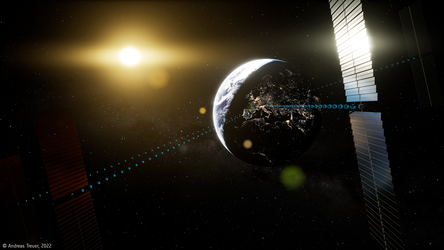
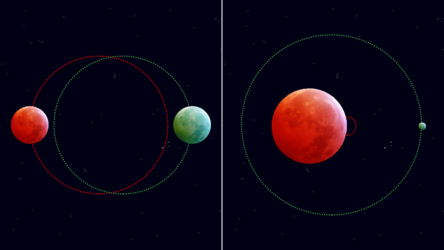
Artist's impression of Venus Express orbit insertion
 
This sphere of activity is what puts the flight into spaceflight, encapsulating launcher and spacecraft propulsion technologies as well as atmospheric ascent and re-entry.  
 
What is the Propulsion and Aerothermodynamics domain?
 
Propulsion covers all methods of propelling launchers and space vehicles, including chemical, electric and advanced systems. Aerothermodynamics is the study of how high-velocity gases behave, employed as a tool for optimising engine design and also to model the process of atmospheric ascent and re-entry.
 
 
Last update: 22 April 2010


More information
Why is Propulsion and Aerothermodynamics important?What innovations does Propulsion and Aerothermodynamics involve?What applications and missions does Propulsion and Aerothermodynamics enable?
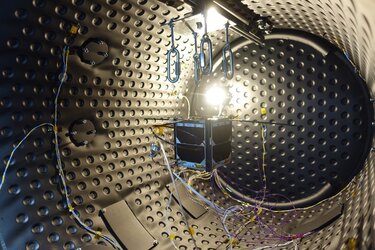
Laboratory
ESA Propulsion Laboratory


   Copyright 2000 - 2011 © European Space Agency. All rights reserved.