|  |  |  |  |
| |  | |  | |
 |
About the Space Environments and Effects section Space EnvironmentIntroduction to space environmentComputational toolsCollaborationsCore activities Space weatherMeteoroids and debris archiveGeant4 for spaceActivities of the Space Environments and Effects sectionECSS standards ECSS standardsContact Contact us
|  |  |  |  | | | | Article Images |  | Space environments and effects
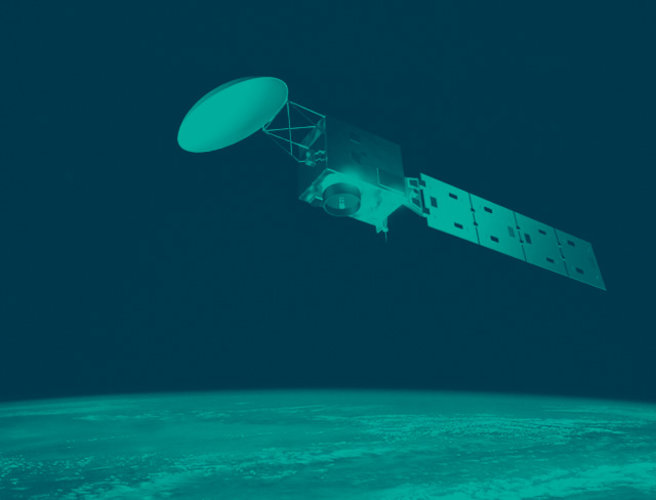
 | Carried on MetOp, the SEM-2 (Space Environment Monitor) is a spectrometer that provides measurements to determine the intensity of the Earth's radiation belts and the flux of charged particles at the satellite altitude. It provides knowledge of solar terrestrial phenomena and also provides warnings of solar wind occurrences that may impair long-range communication, high-altitude operations, damage satellite circuits and solar panels, or cause changes in drag and magnetic torque on satellites.
Credits: ESA - AOES Medialab |  |  |  |  |
| | | | Responsibilities
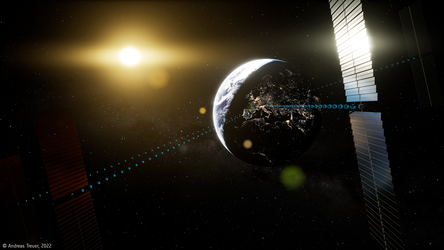
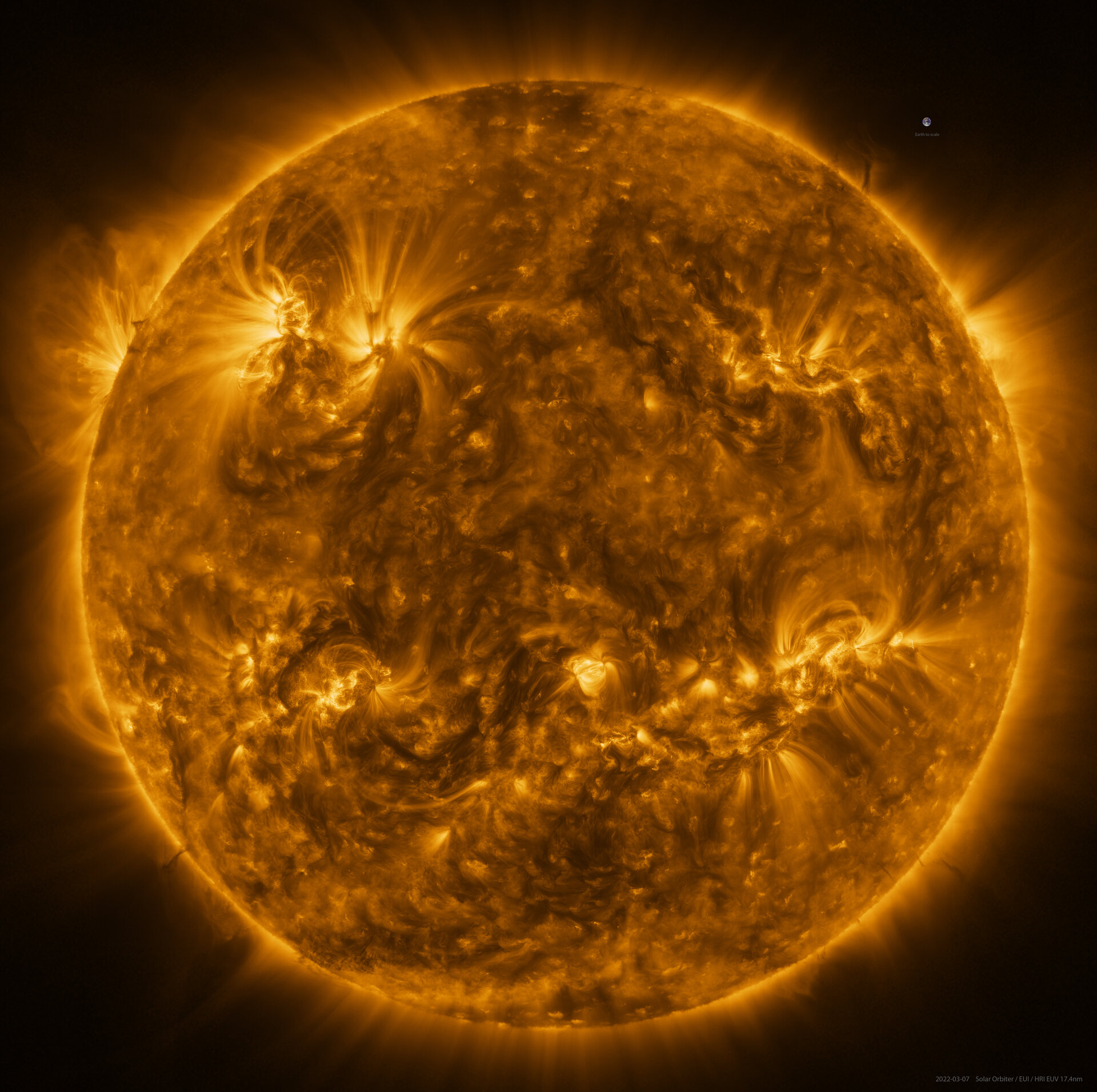
 | | Space around Earth is influenced by the highly dynamic Sun with its transient explosive eruptions and its constantly outflowing solar wind. Spacecraft operate continually in these dynamic, and often adverse conditions which can lead to a variety of effects including radiation damage and electrical phenomena which, in extreme cases, can lead to entire spaceraft loss. The application of space environment models to mission preparation helps to limit the damage and enables experts to estimate the level of protection nesessary for spacecraft to meet their life-time requirements while avoiding over-design.
Credits: ESA |  |  |  |  |
| | | |  | | High-energy particles in space cause problems for electronics and detectors. Many dramatic examples are seen in the images taken by the SOHO spacecraft during solar energetic particle 'storms'. Here, superimposed images from different SOHO instruments show the many spots and streaks caused by particle impacts on the pixels of the cameras. The largest area part of the composite image is from the LASCO coronograph.
Credits: SOHO (ESA & NASA) |  |  |  |  |
| | | |  | | A picture of the damage caused by a micrometeoroid or small piece of space debris on the solar array of the Hubble space telescope. The arrays, which were built in Europe, were returned to ESA for analysis of in-orbit degradation. The crater is about 4 millimetres in diameter and was probably made by a particle of 0.5 millimetre diameter.
Credits: ESA |  |  |  |  |
| | | | Last update: 27 January 2011 | |
|  |
|