A near miss predicted for asteroid 2011 AG5
22 June 2012
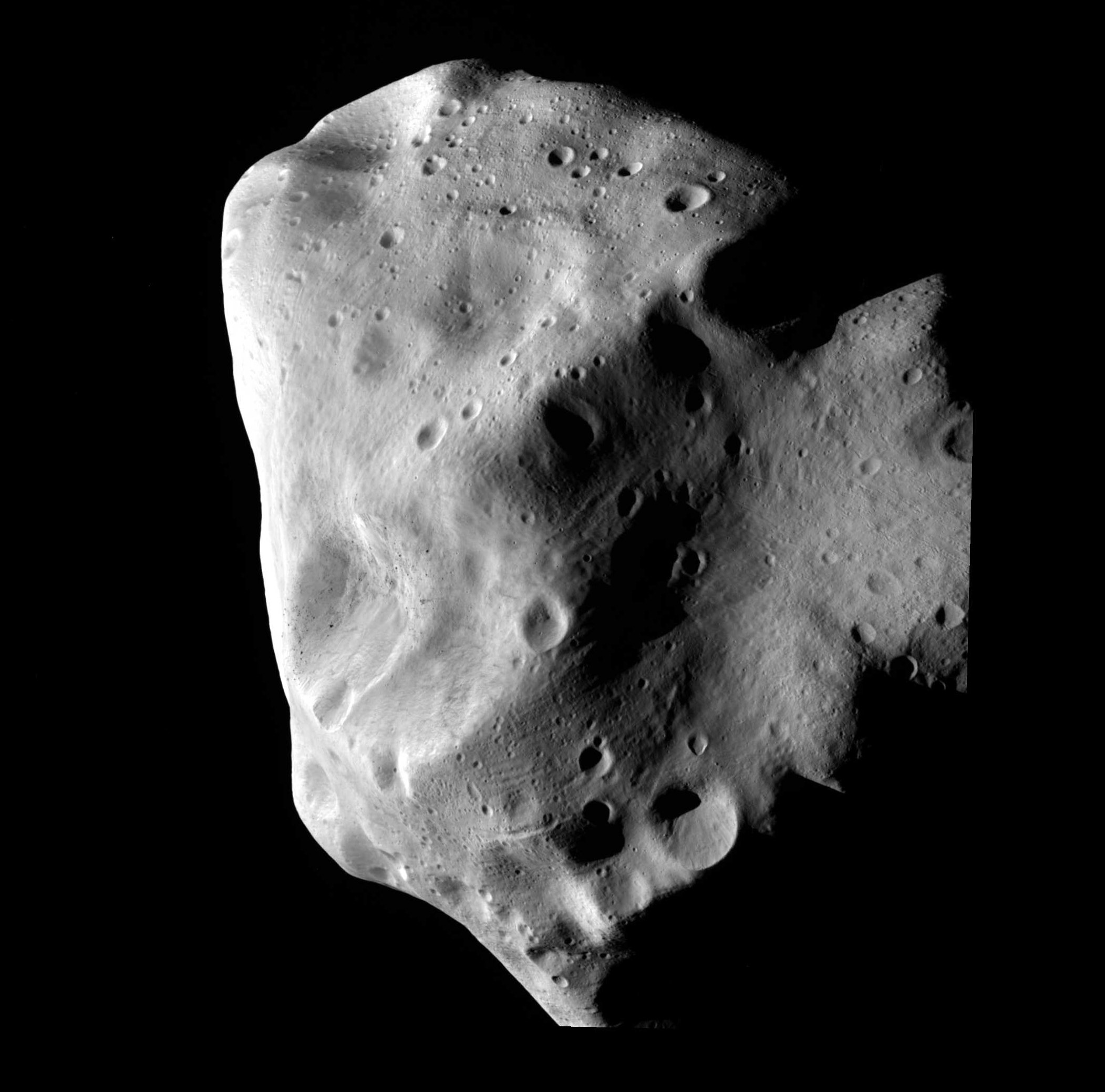
Everyone can sleep a little better tonight. The latest observations of a large, Earth-grazing space rock - known as asteroid 2011 AG5 - suggest that it will fly safely past our planet in 2040.
65 million years ago, an asteroid strike wiped out the dinosaurs. However, those cold blooded reptiles were not able to build instruments that could monitor the thousands of cosmic rocks that come close to Earth. Without advanced warning, there was nothing they could do to avoid extinction.
Fortunately, modern technology enables us to keep a look out for incoming objects that might threaten our existence. A special telescope in Arizona that searches for near Earth objects was used to discover 2011 AG5 in January 2011. Several observatories then monitored the 140 metre wide asteroid for nine months before it moved too far away and grew too faint to see.

Observations have been limited because the asteroid is now located beyond the orbit of Mars and in the daytime sky on the far side of the Sun. However, in autumn 2013, conditions will improve to allow space- and ground-based telescopes to track its path better. At that time, 2011 AG5 will be 147 million kilometres from Earth, but favourably located for observations in the late evening sky.
The information available at present indicates that there is a very small chance that it could impact Earth in 2040. However, experts from around the world, including ESA, are confident that future space- and ground-based observations will reduce this probability to almost zero. Even if the odds do increase, there is still plenty of time to plan and carry out a mission to change the asteroid’s course.