Why infrared astronomy is a hot topic
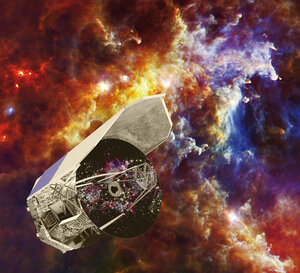
ESA's Herschel spacecraft will collect infrared radiation from some of the coldest and most distant objects in the Universe. But why are observations of infrared light so special?
The Universe is full of radiation of all types but most of this does not reach us here on Earth because our atmosphere blocks out many wavelengths of radiation, but lets others through.
Fortunately for life on Earth, the atmosphere blocks out harmful, high-energy radiation like X-rays, gamma rays and most ultraviolet rays. It also blocks out most infrared radiation, except for a few narrow wavelength ranges that make it through to ground-based infrared telescopes.
We can study how things get formed, the very early steps.
Our atmosphere causes another problem - it radiates strongly in the infrared itself, often putting out more infrared radiation than the object in space being observed. This is why ground-based infrared observatories are usually placed near the summits of high mountains to get above as much of the atmosphere as possible.
This is why it is so important to put observatories into space, to get above our atmosphere which prevents so much of this valuable information from reaching us.
So why is it so important to see in infrared?
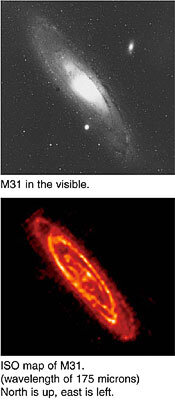
Many of the things scientists want to observe in space are far too cold to radiate at optical or shorter wavelengths, but radiate strongly in infrared, for example, the cold atoms and molecules that drift in interstellar space. We need to study these raw materials to understand how stars form and evolve.
“By observing in the infrared we can study how things get formed, the very early steps, because formation processes very often happen in cool and dusty places,” explains Göran Pilbratt, ESA’s Herschel Project Scientist.
In our own Solar System, cold objects such as comets and asteroids reveal most of their characteristics to us in infrared light.
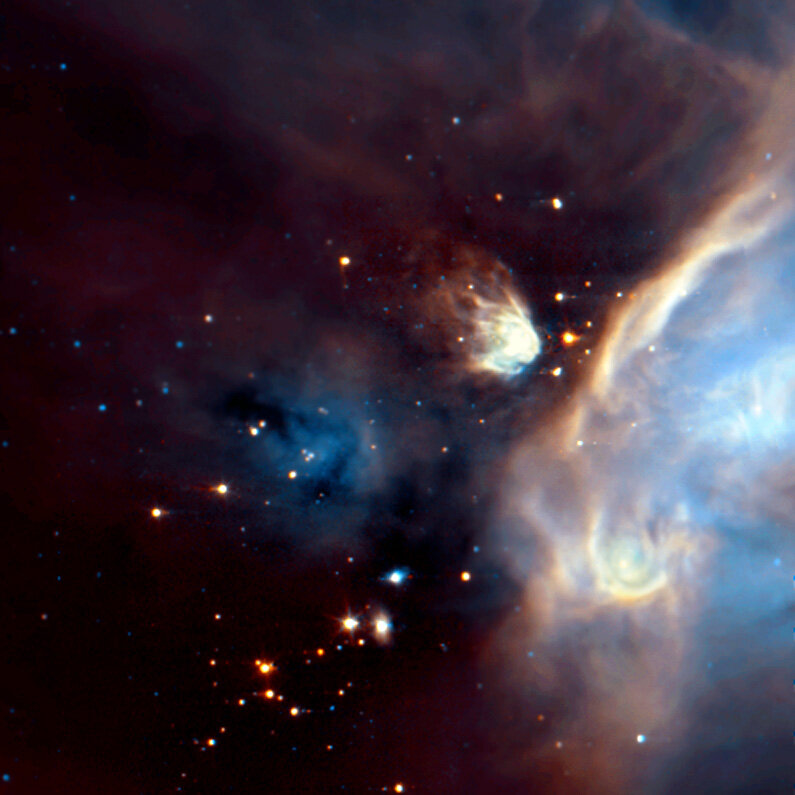
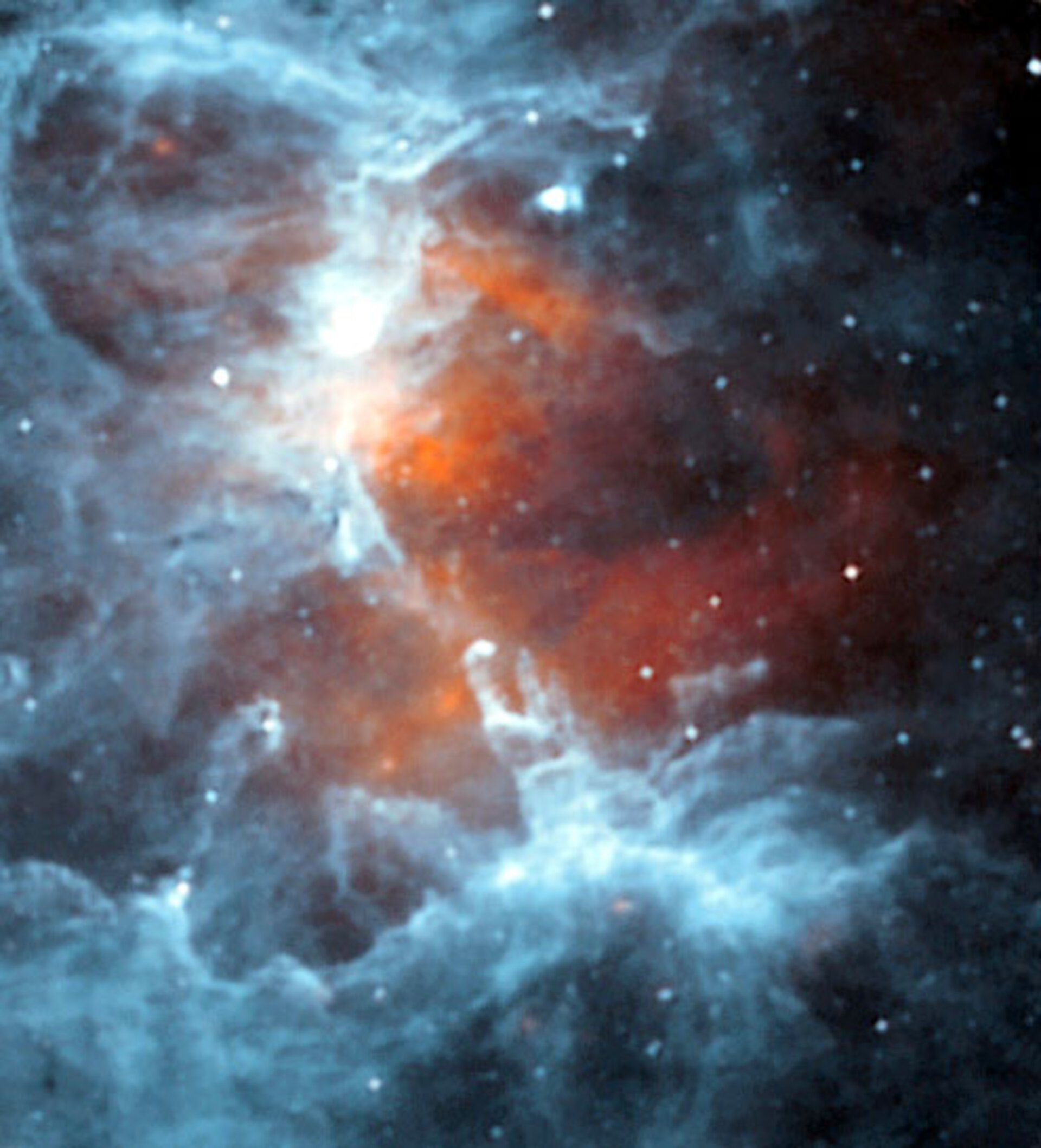
Other things of great interest to astronomy are hidden within or behind vast clouds of gas and dust. These clouds hide stars and planets in early stages of formation and the powerful cores of active galaxies.
Our view is blocked because the dust grains are very effective at scattering or absorbing visible light. Longer infrared wavelengths can get through the dust.
The future is extremely bright for infrared astronomy and, in the next decade, you will hear a lot about ESA discoveries in infrared astronomy!