• → European Space Agency

      • Space for Europe
      • Space News
      • Space in Images
      • Space in Videos
    • About Us

      • Welcome to ESA
      • DG's News and Views
      • For Member State Delegations
      • Business with ESA
      • ESA Exhibitions
      • ESA Publications
      • Careers at ESA
    • Our Activities

      • Space News
      • Observing the Earth
      • Human Spaceflight
      • Launchers
      • Navigation
      • Space Science
      • Space Engineering
      • Operations
      • Technology
      • Telecommunications & Integrated Applications
    • For Public

    • For Media

    • For Educators

    • For Kids

    • ESA

    • Welcome to ESA

    • History

    • All about ESA
    • ESA's Purpose
    • Space for Europe
    • A European Vision
    • Establishments
      and facilities
    • Funding
    • Security at ESA
    • Publications
    • A European agency...
    • ESA and the EU
    • European milestones
    • European Space Policy
    • New Member States
    • European Cooperating States
    • Download
    • ESA Annual Report 2010
    • ESA Annual Report 2009
    • ESA Annual Report 2008
    • ESA Annual Report 2007
    • ESA 'e-book' presentation (pdf)
    • ESA presentation (FR)
    • ESA presentation (IT)
    • ESA presentation (ES)
    • ESA Convention
    • DG's Agenda 2015 (reader/pdf)

    ESA > About Us > Welcome to ESA

    Space for Europe

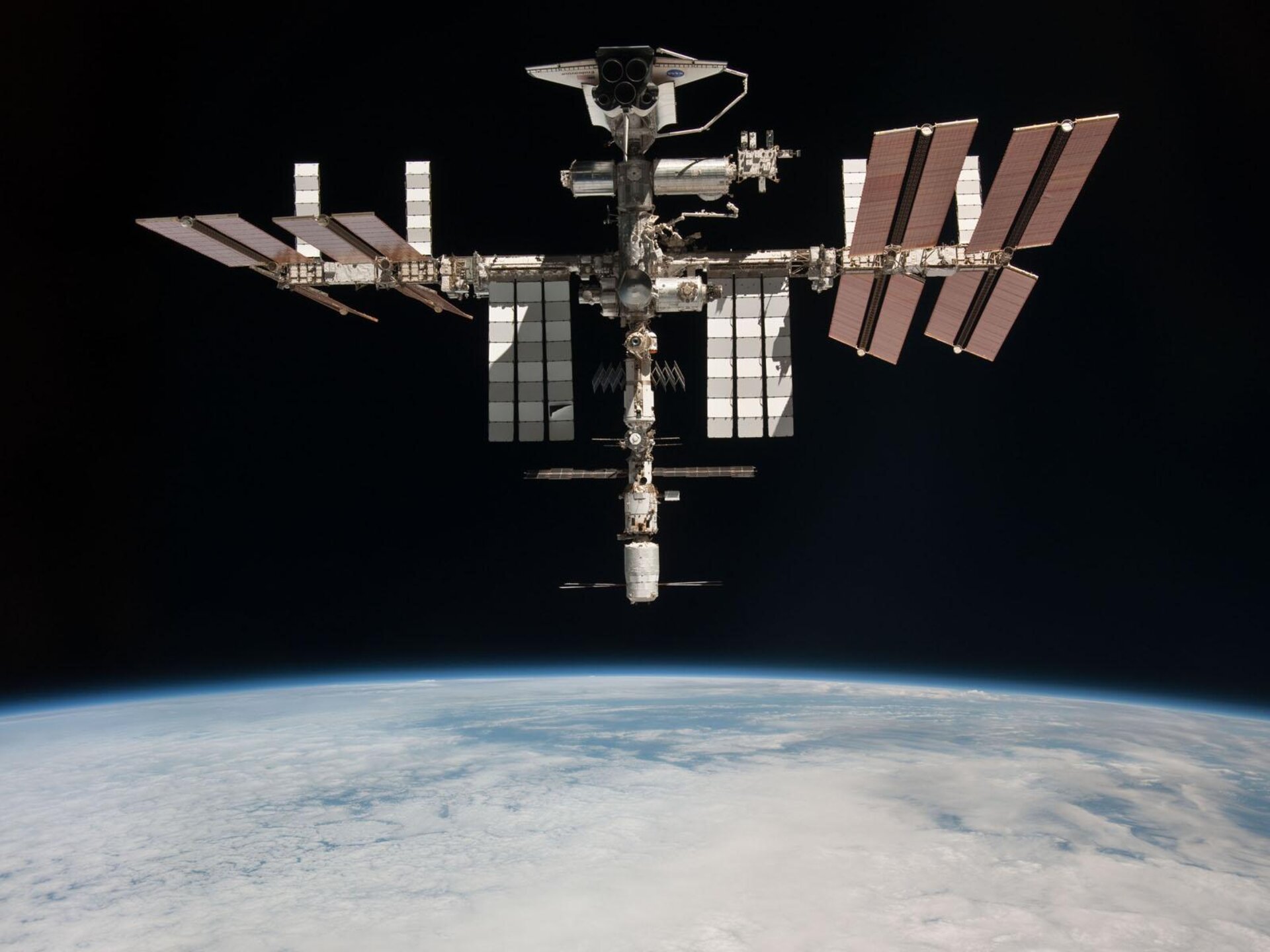
    The International Space Station following the STS-116 mission

    Exploring the Universe, and sending satellites and humans into space are among the major challenges for developed nations in the 21st century.

    This is why 19 European countries have been pooling resources for over 40 years, putting Europe at the forefront of space science, technology and applications.

    Today, Europe’s citizens enjoy the benefits, from jobs and economic growth, to public services, efficient communications and security.

    Richer European identity

    ESA in concert with the European Union, national bodies responsible for space and international partners, manages the research and development programmes needed to maintain the position as second to none in space for the future.

    The results are world-class industry, outstanding scientific discoveries and a stronger, richer European identity.


    Space programmes are long-term activities

    A decade passes easily between the decision to develop a world-class scientific satellite and the moment that it returns long-awaited data from space to universities and research centres.

    The time is not much shorter for new-generation space solutions targeted at the global market. This is why space policies based on a long-term vision are the foundation of ESA’s space programmes for science, Earth observation, telecommunications, navigation, human spaceflight and exploration, and launchers.

    The main elements of ESA’s vision have remained relevant and solid since its creation, more than 30 years ago. These are a competitive space industry across Europe, researchers leading the way in scientific discovery, high-quality satellite-based services for European citizens and governments, and a strong share in the global space market.

    Solid vision, changing world

    What have changed are the policies. ESA manages long-term programmes in a rapidly changing world. This is a real challenge for the organisation, but ESA has responded by setting itself a clear objective, put forward in Agenda 2011 by the Director General Jean-Jacques Dordain.

    Europe must continue to have a prominent role in space at a time when other world powers are rapidly developing their space capabilities.

    This implies that ESA must consolidate its position as a global space agency. This is instrumental for serving its Member States and the European Union in developing a competitive economy, and indispensable in contributing to global policies and increasing knowledge.

    European dimension

    This vision now adds the European Union dimension to Europe’s space policy, developed and implemented for 30 years by ESA, and in return adds a space dimension to the political actions of the European Union.

    ESA’s founders provided the Agency with a flexibility that has been a great source of strength in the past as well as being responsible for much of its success.

    This has enabled ESA to move into new fields of activity during those 30 years and also to double the number of its Member States. In the near future, ESA will transform from a space agency of 19 countries into the space agency for the European Union.

    Last update: 23 February 2012

    Rate this

    Views

    Share

    • Currently 0 out of 5 Stars.
    • 1
    • 2
    • 3
    • 4
    • 5
    Rating: 0/5 (0 votes cast)

    Thank you for rating!

    You have already rated this page, you can only rate it once!

    Your rating has been changed, thanks for rating!

    195
    facebook
    twitter
    reddit
    google plus
    digg
    tumbler
    digg
    blogger
    myspace
    • More about...
      • Space for Europe
        • Space to learn
          • Space for Earth
            • Space to discover
              • Space to communicate and locate
                • Space to deliver
                  • Space for life

    Connect with us

    • RSS
    • Youtube
    • Twitter
    • Flickr
    • Google Buzz
    • Subscribe
    • App Store
    • LATEST ARTICLES
    • · CryoSat hits land
    • · Ariane 5 completes seven launches …
    • · Measuring skull pressure without t…
    • · Malargüe station inauguration
    • · The solar wind is swirly
    • FAQ

    • Jobs at ESA

    • Site Map

    • Contacts

    • Terms and conditions