• → European Space Agency

      • Space for Europe
      • Space News
      • Space in Images
      • Space in Videos
    • About Us

      • Welcome to ESA
      • DG's News and Views
      • For Member State Delegations
      • Business with ESA
      • ESA Exhibitions
      • ESA Publications
      • Careers at ESA
    • Our Activities

      • Space News
      • Observing the Earth
      • Human Spaceflight
      • Launchers
      • Navigation
      • Space Science
      • Space Engineering
      • Operations
      • Technology
      • Telecommunications & Integrated Applications
    • For Public

    • For Media

      • Media
      • ESA TV
      • Videos for professionals
      • Photos
    • For Educators

    • For Kids

    • ESA

    • [1/8] The French island of Corsica
    • [2/8] One ring to rule them all
    • [3/8] BepiColombo module in space simulator
    • [4/8] ESA BIC Bavaria progenoX start-up: Robotic rescuer
    • [5/8] Vega VV02 AVUM installed at CSG
    • [6/8] Signing partnership agreement for ExoMars
    • [7/8] Proba-V unpacked for integration
    • [8/8] Luca Parmitano in EMU spacesuit fit check

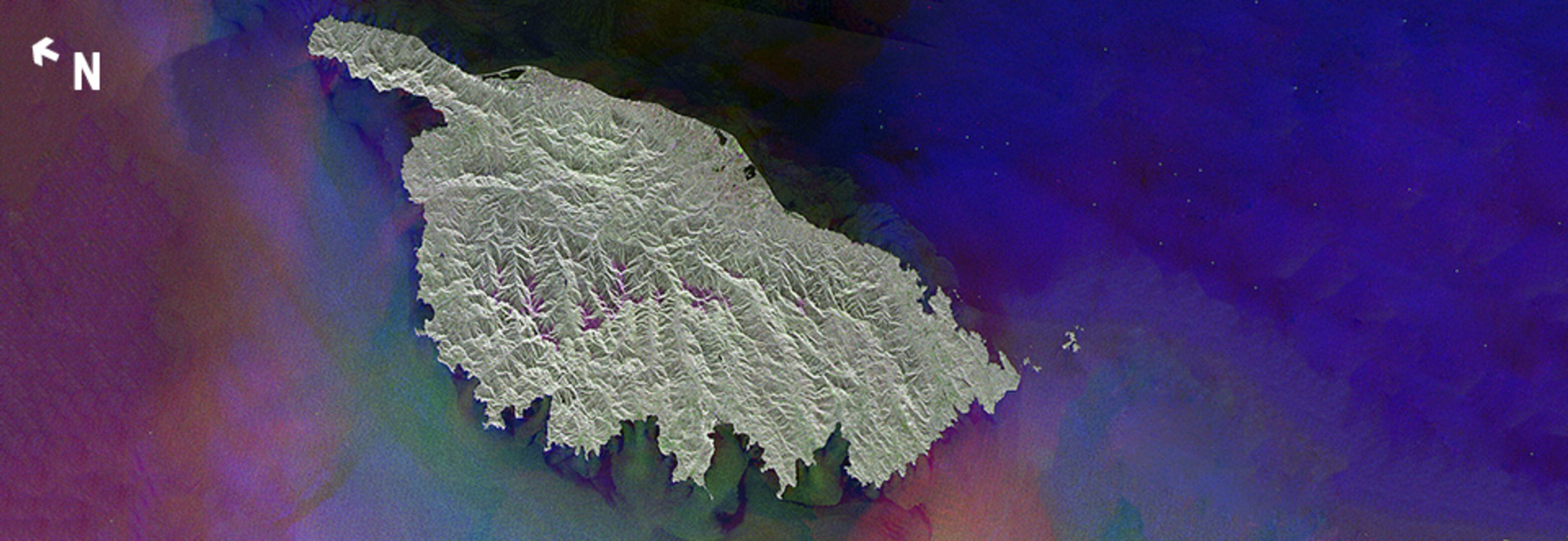
    The French island of Corsica
    The French island of Corsica

    This Envisat composite image shows the French island of Corsica, one of the largest islands in the Mediterranean Sea. Corsica is located just 90 km west of Italy, and 170 km south of France. Sardinia is just to the south across the Strait of Bonifacio, and we can see a couple of Sardinian islands along the bottom of the image. In the top right corner we can see the Italian island of Capraia.

    This image was created by combining three Envisat radar acquisitions (3 January, 2 February and 2 April 2012) over the same area. The colours result from changes in the surface between acquisitions.

    This image is featured on the Earth from Space video programme.

    Credits: ESA
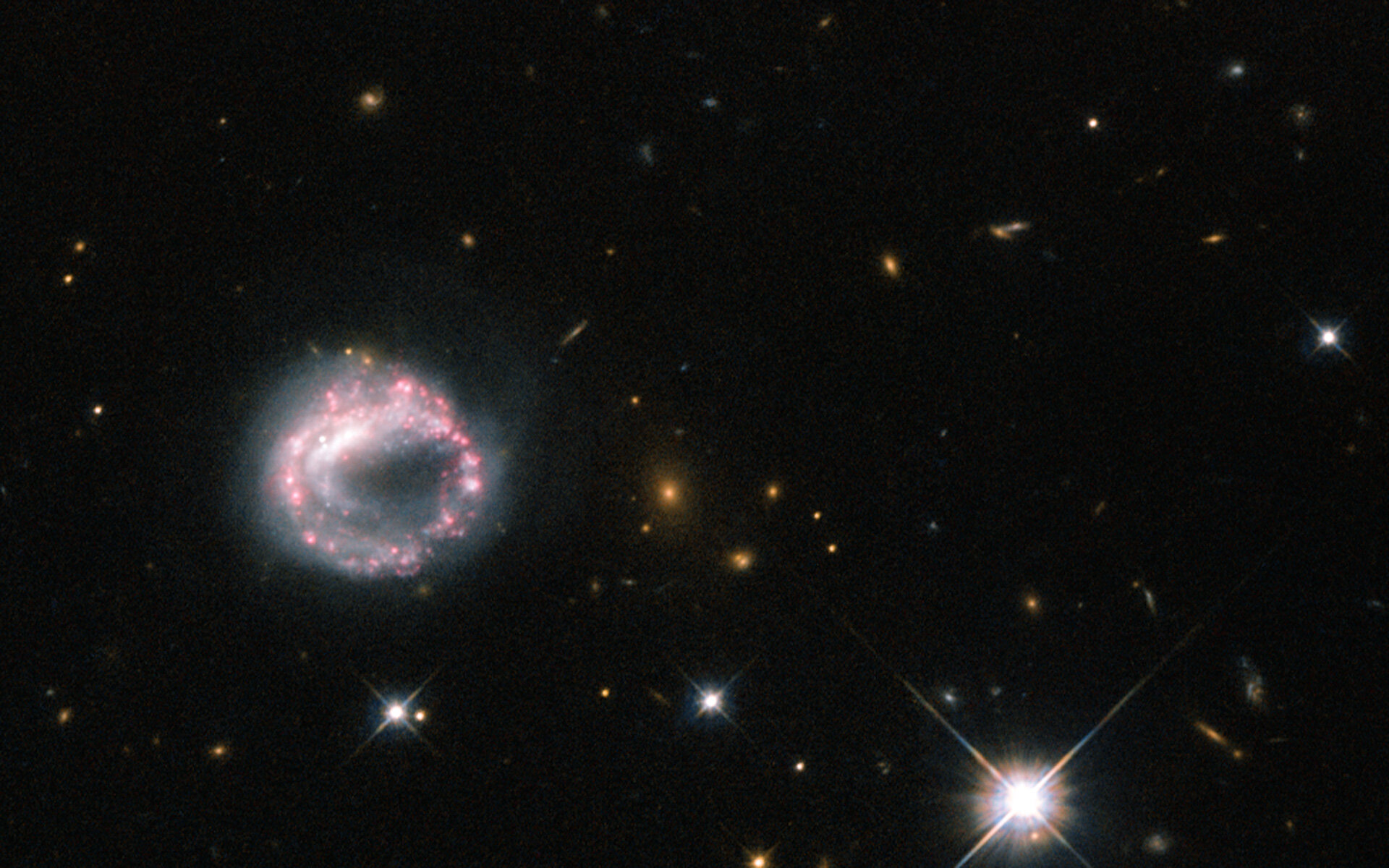
    One ring to rule them all
    One ring to rule them all

    Galaxies can take many forms — elliptical blobs, swirling spiral arms, bulges, and discs are all known components of the wide range of galaxies we have observed using telescopes like the NASA/ESA Hubble Space Telescope. However, some of the more intriguing objects in the sky around us include ring galaxies like the one pictured above — Zw II 28.

    Ring galaxies are mysterious objects. They are thought to form when one galaxy slices through the disc of another, larger, one — as galaxies are mostly empty space, this collision is not as aggressive or as destructive as one might imagine. The likelihood of two stars physically colliding is minimal, and it is instead the gravitational effects of the two galaxies that causes the disruption.

    This disruption upsets the material in both galaxies, causing it to redistribute to form a dense central core, encircled by bright stars. All this commotion causes clouds of gas and dust to collapse and triggers new periods of intense star formation in the outer ring, which is thus full of hot, young, blue stars and regions that are actively giving rise to new stars.

    The sparkling pink and purple loop of Zw II 28 is not a typical ring galaxy due to its lack of a visible central companion. For many years it was thought to be a lone circle on the sky, but observations using Hubble have shown that there may be a possible companion lurking just inside the ring, where the loop appears to double back on itself. The galaxy has a knotty, swirling ring structure, with some areas appearing much brighter than others.

    A version of this image was entered into the Hubble’s Hidden Treasures image processing competition by contestant Judy Schmidt.

    Credits: ESA/Hubble & NASA Acknowledgement: Judy Schmidt
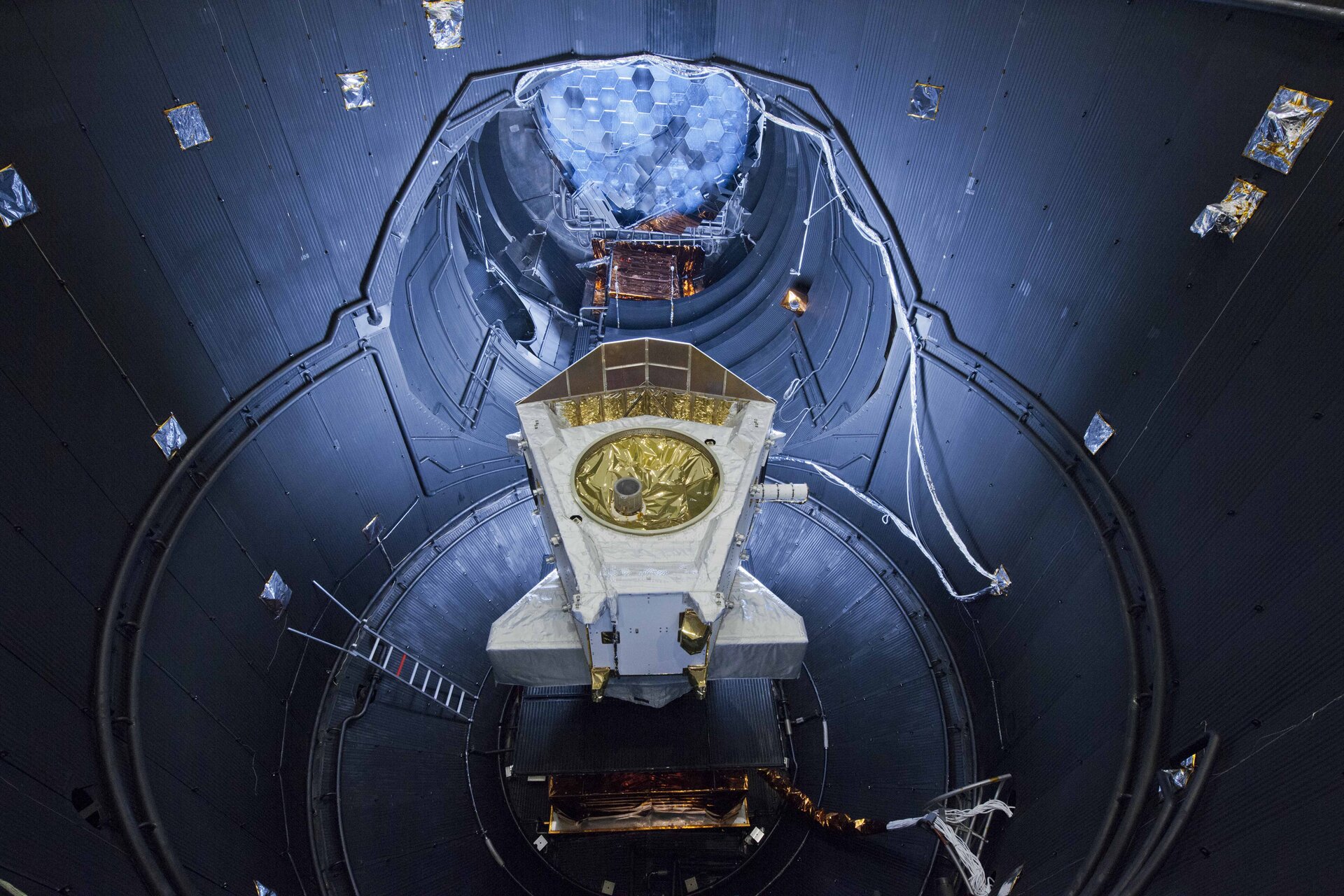
    BepiColombo module in space simulator
    BepiColombo module in space simulator

    The Structural and Thermal Model of the BepiColombo Mercury Transfer Module in the Large Space Simulator at ESA’s test centre in the Netherlands. The image was taken on 20 February 2013 ahead of a 12-day Sun-simulation test that began 26 February. 

    Credits: ESA
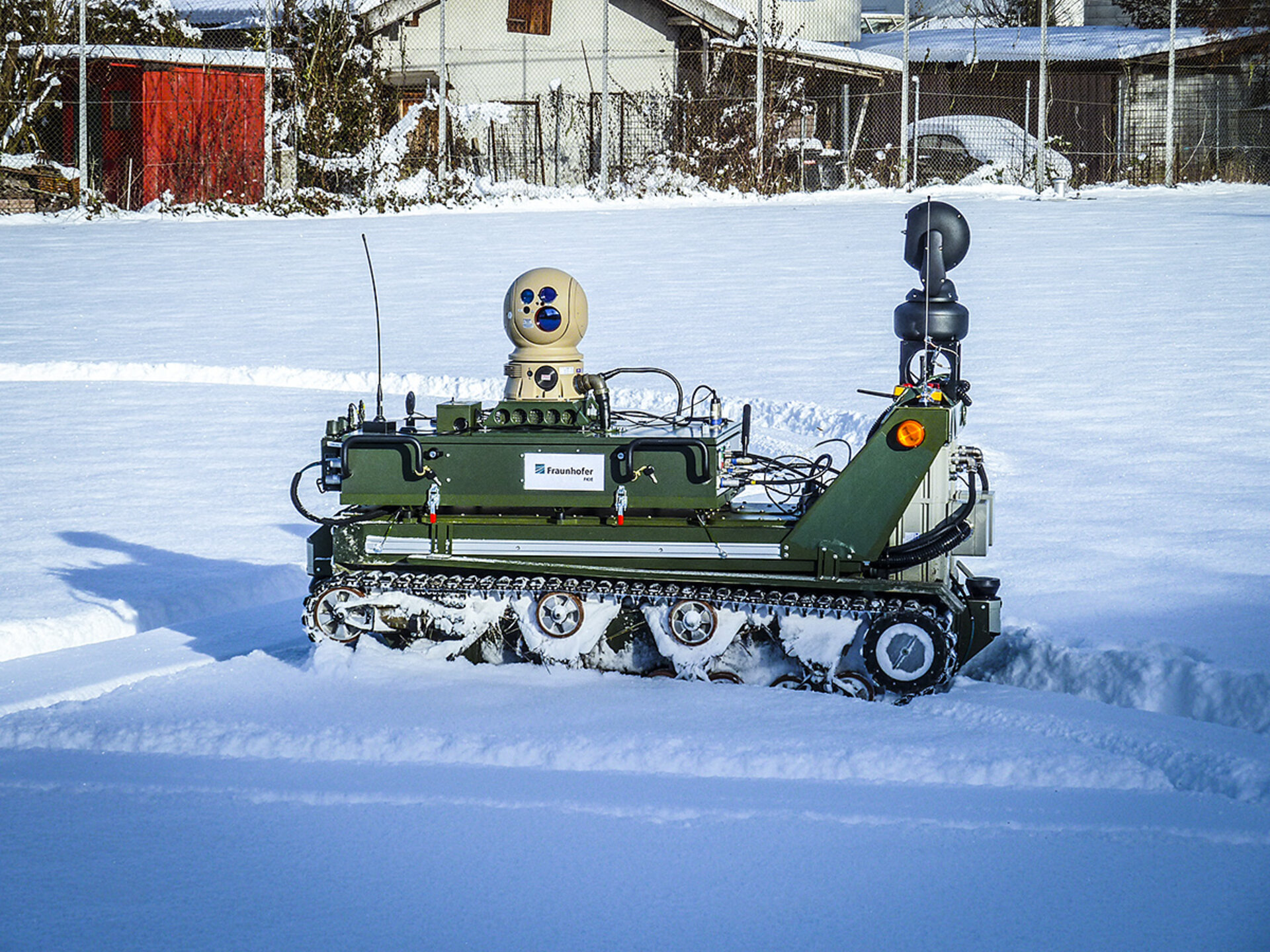
    ESA BIC Bavaria progenoX start-up: Robotic rescuer
    ESA BIC Bavaria progenoX start-up: Robotic rescuer

    This German-made robotic vehicle is designed to cope with a lot more than just snow. The work of ESA Business Incubation Centre-supported start-up company progenoX GmbH, this all-terrain unmanned ground vehicle will support emergency services in disaster situations.

    The UGV is intended for major incidents where rescue staff could be at risk, such as chemical spills or large fires. 

    Fast, remote inspection will help rescue teams to establish the best and safest way to proceed.

    The vehicle serves as a platform for instruments to examine the situation from a safe distance. It can operate a number of different sensors in parallel, based on the needs of different emergency workers, from police to firefighters to medical units.

    All of its data are marked with the position, time and other general information and then sent via cell-phone networks to the appropriate forces.

    The vehicle is steered by an integrated unit with communication and navigation technology plus standard interfaces for sensors and cameras, based on developments by Germany’s Fraunhofer FKIE research centre and a defence group. 

    The first unit has already been tested at a German police school and is expected to be put into pre-operation within a year.

    progenoX developed the vehicle with the support of ESA Technology Transfer Programme’s Business Incubation Centre Bavaria.

    Expertise from European space activities is helping to handle harsh environments, guarantee continuous operation and select the best navigation and communication solutions. 

    Lightweight materials from space are also being considered for the vehicle, and progenoX is now working with Germany’s DLR space agency to identify space technologies to spin off to improve its heat protection.

    Credits: progenoX GmbH
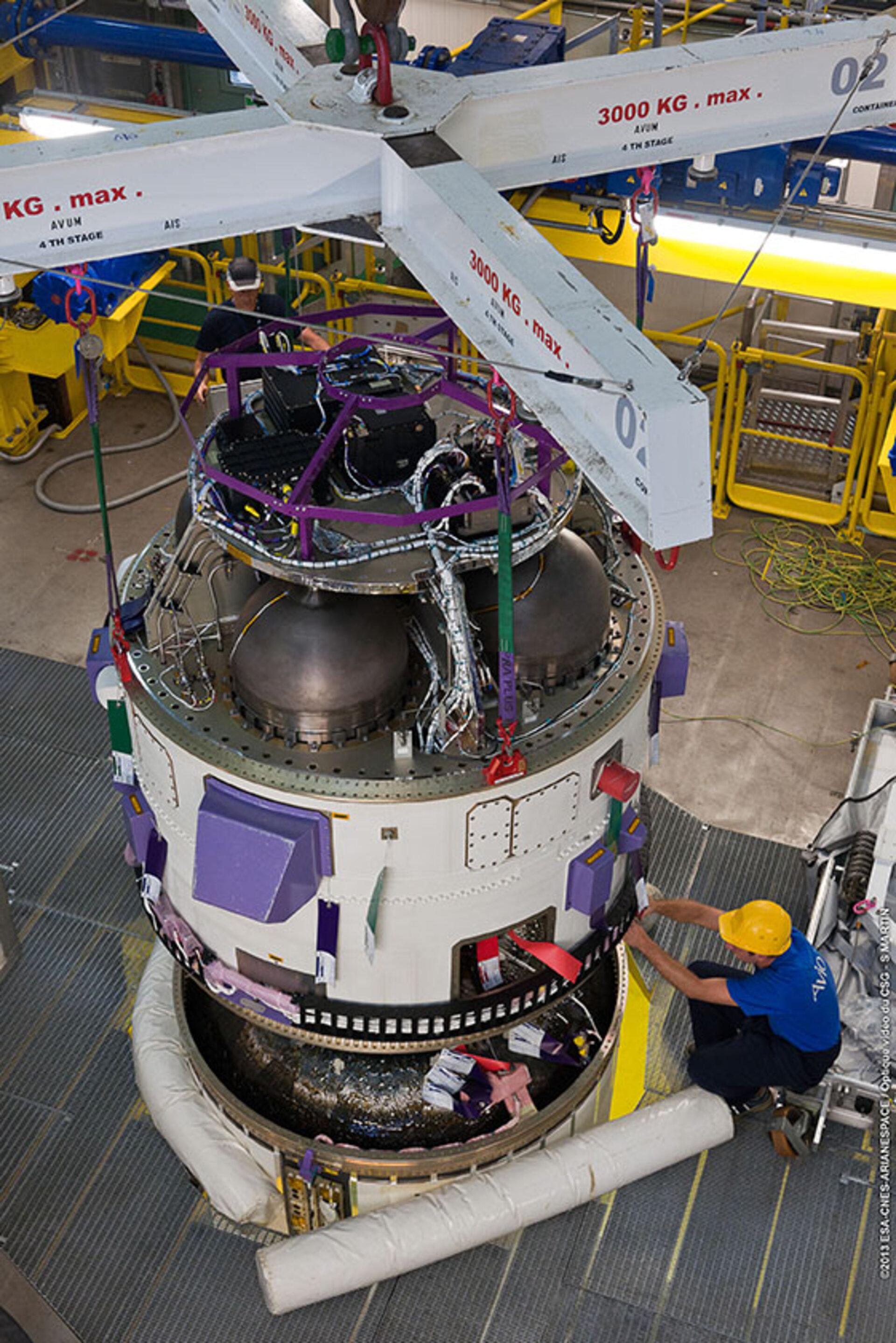
    Vega VV02 AVUM installed at CSG
    Vega VV02 AVUM installed at CSG

    In preparation for the launch of Vega flight VV02, the AVUM (Attitude Vernier Upper Module) final stage is installed at Europe's Spaceport, Kourou, French Guiana.

    The AVUM upper module consists of a propulsion module and an avionics module. The module uses an RD-869 rocket engine liquid-fuel rocket, burning pressure-fed UDMH and nitrogen tetroxide as propellants, built by Yuzhnoye Design Bureau. The AVUM avionics module contains the main components of the avionics sub-system of the vehicle.

    Credits: ESA/CNES/Arianespace/Optique Video du CSG
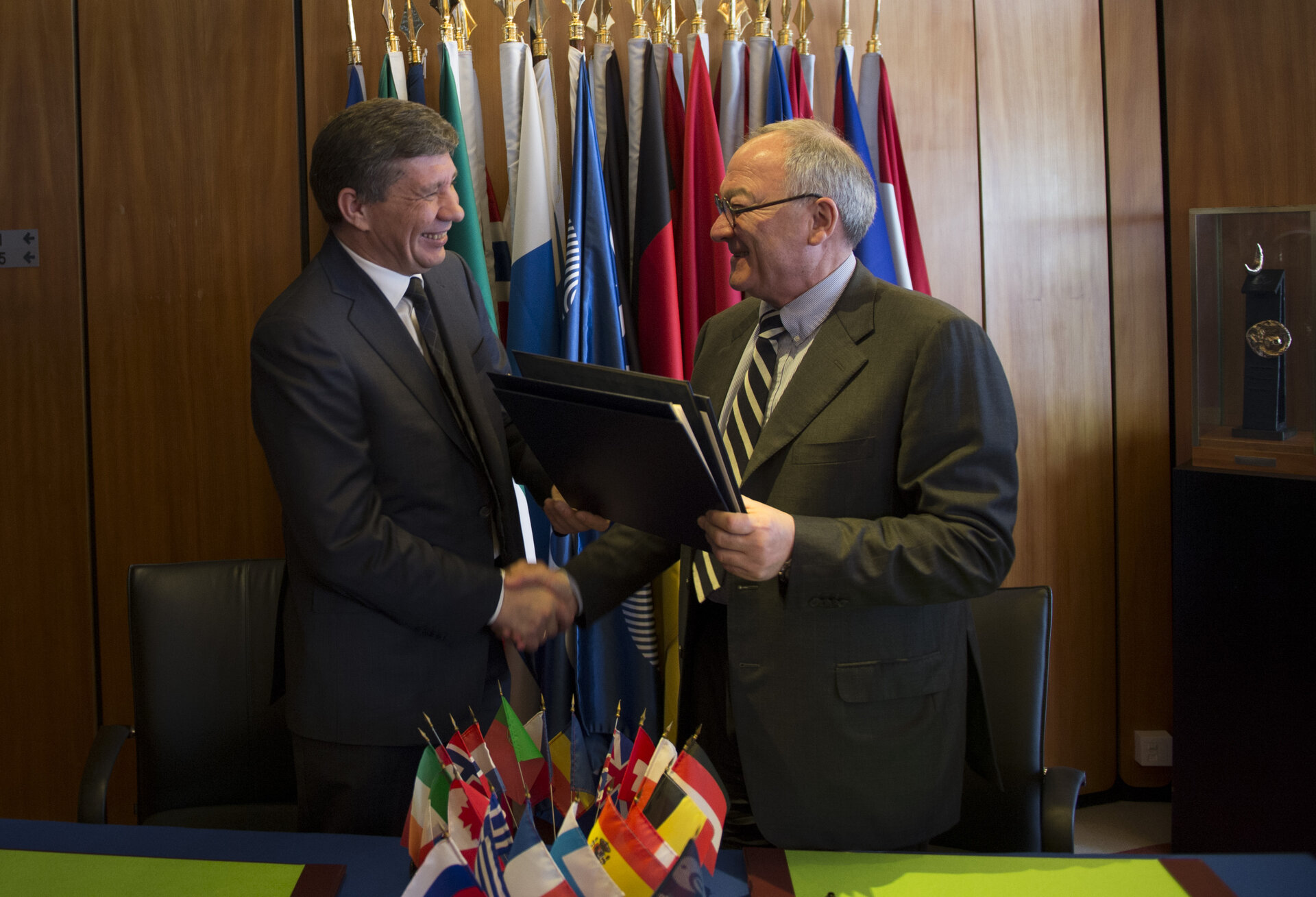
    Signing partnership agreement for ExoMars
    Signing partnership agreement for ExoMars

    ESA Director General Jean-Jacques Dordain and Head of Roscosmos Vladimir Popovkin met at ESA Headquarters in Paris on 14 March 2013 to sign an agreement that seals ExoMars as a partnership between the two space agencies.

    Credits: ESA
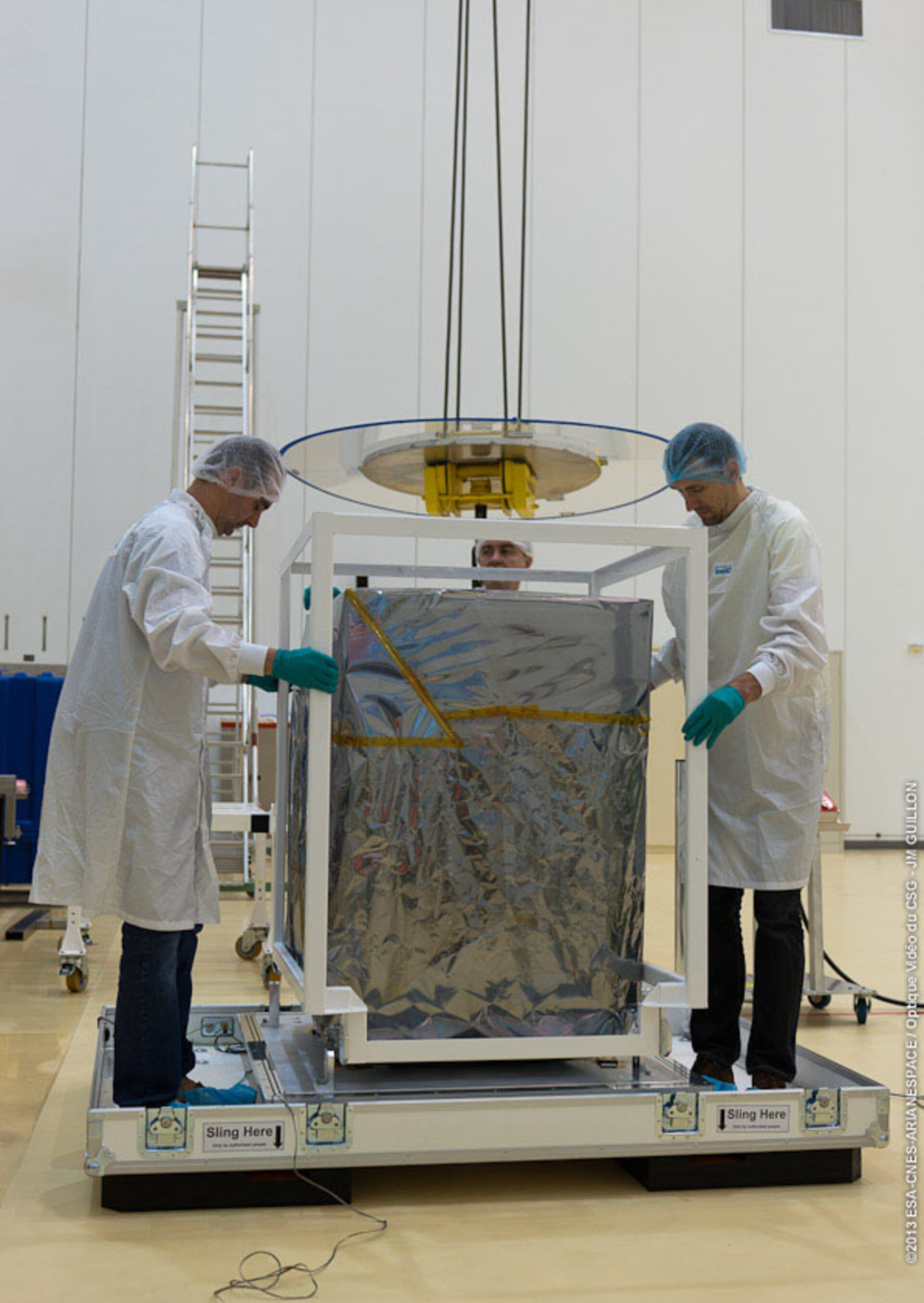
    Proba-V unpacked for integration
    Proba-V unpacked for integration

    Ahead of its launch on Vega flight VV02, Proba-V is unpacked at Europe's Spaceport, Kourou, French Guiana.

    Credits: ESA/CNES/Arianespace/Optique Video du CSG
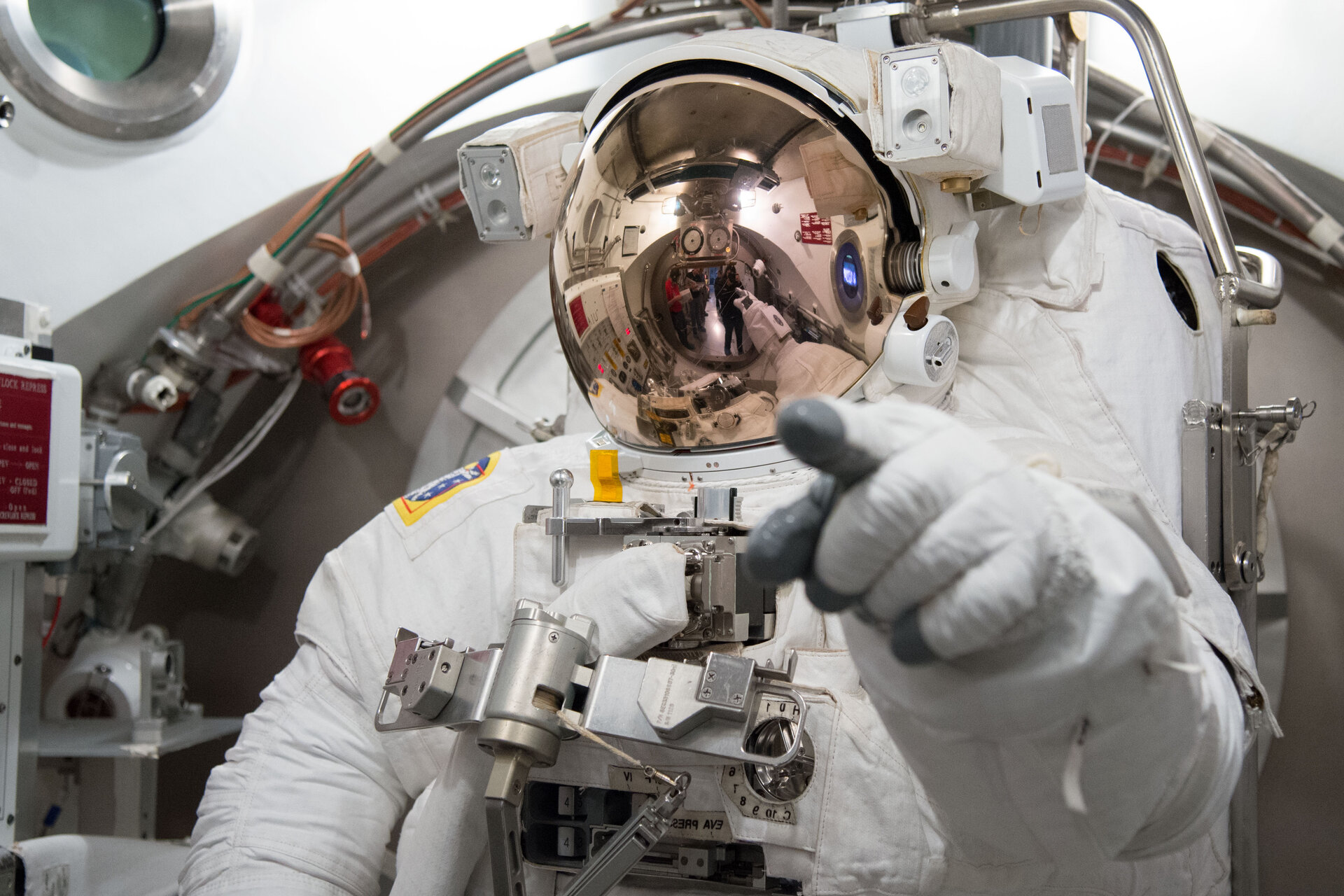
    Luca Parmitano in EMU spacesuit fit check
    Luca Parmitano in EMU spacesuit fit check

    ESA astronaut Luca Parmitano, Expedition 36/37 flight engineer, testing a NASA spacesuit or, Extravehicular Mobility Unit (EMU), in the Space Station Airlock Test Article (SSATA) at NASA's Johnson Space Center, Houston, USA.

    Credits: n/a

    Week in Images

    Our week through the lens:
    11-15 March 2013

    Access the image

    Access the image

    Access the image

    Access the image

    Access the image

    Access the image

    Access the image

    Access the image

    Rate this

    Views

    Share

    • Currently 5 out of 5 Stars.
    • 1
    • 2
    • 3
    • 4
    • 5
    Rating: 4.96/5 (29 votes cast)

    Thank you for rating!

    You have already rated this page, you can only rate it once!

    Your rating has been changed, thanks for rating!

    3276
    Tweet

    Connect with us

    • RSS
    • Youtube
    • Twitter
    • Flickr
    • G+
    • Facebook
    • Livestream
    • Subscribe
    • App Store
    • LATEST ARTICLES
    • · The fast winds of Venus are gettin…
    • · ExoMars 2016 set to complete const…
    • · Herschel ends operations as orbiti…
    • · Europe’s largest spaceship reache…
    • · ATV ready to nose up to Station
    • FAQ

    • Jobs at ESA

    • Site Map

    • Contacts

    • Terms and conditions