

Human physiology
CARD
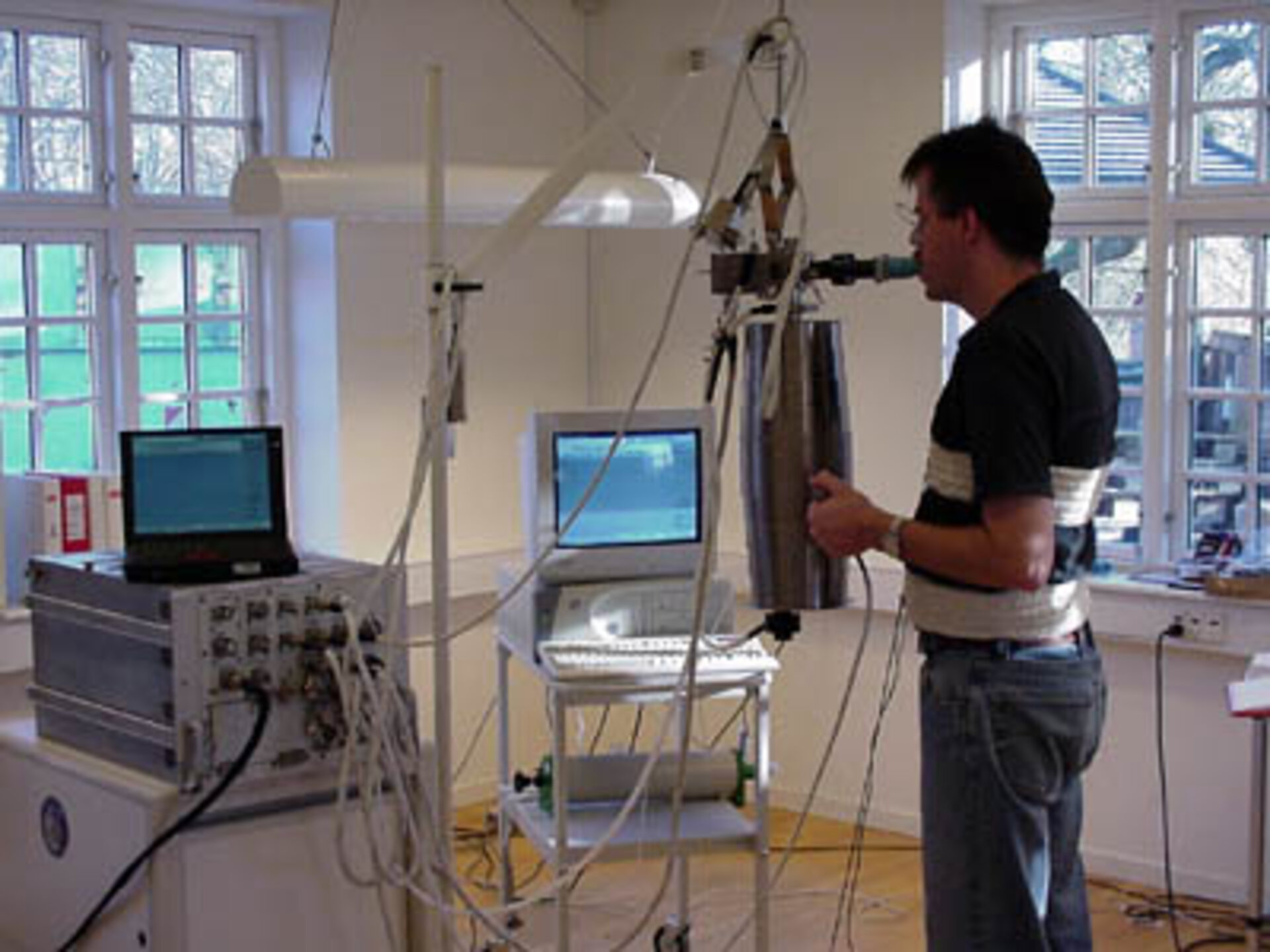
Salt intake can increase cardiovascular measurements such as the total volume of blood pumped from the heart over a given time period. This experiment aims to assess the effects of increased blood volume, induced by increased salt intake, on blood pressure, heart rate, cardiac output and the neuroendocrine system.
This experiment is carried out over multiple Expeditions requiring six subjects and the utilisation of the Pulmonary Function System and the European-developed MELFI freezer. This experiment can could help to provide insight into the mechanisms behind certain cardiovascular problems on Earth, such as heart failure.
Cardiocog-2
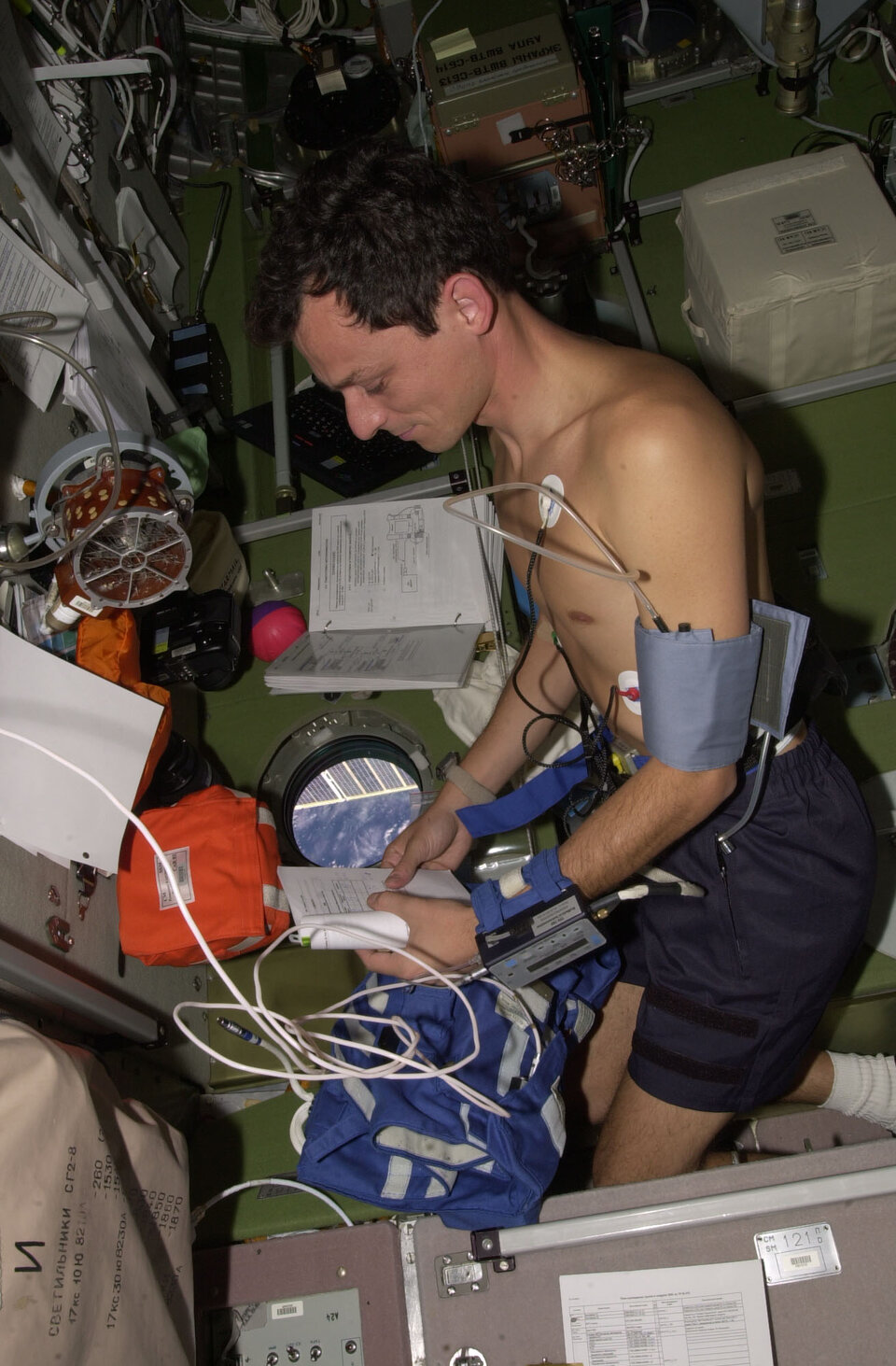
The Cardiocog-2 experiment studies the consequences of weightlessness on the cardio-vascular system, as well as stress, cognitive and physiological reactions of an astronaut during a mission.
On four occasions over the course of a mission the astronaut will undertake a half-hour protocol of normal and controlled breathing together with a stress test. Cardiac activity, respiration and blood pressure is measured continuously during this activity using Cardioscience equipment on the International Space Station. This is compared to additional data gathered during ground tests where ECG, blood pressure, respiration and ultrasound measurements are taken.
This experiment is a continuation of Cardiocog and will be completed by three additional long-term subjects. This experiment will increase the understanding of orthostatic intolerance (proneness for fainting), a common clinical problem.

Chromosome-2
During spaceflight crewmembers are exposed to different types of ionising radiation. To assess the genetic impact of these radiations, this experiment will study chromosome changes and sensitivity to radiation in white blood cells. The Chromosome-2 experiment is planned to be carried out using eight subjects: four subjects from short-duration flights and four Expedition crewmembers.
CULT
This experiment is a study of cultural aspects and leadership styles of Space Station crews. Data from crewmember questionnaires will be analysed to observe dynamics as a function of the duration of the flight. Research on ground personnel will be carried out in parallel. Results may provide recommendations on how to interact with multinational crews. The in-orbit study combined with the ground study on mission control personnel may further provide recommendations for communication between the ground and space. This experiment is planned to be carried out over multiple Expedition Crews requiring eight subjects.

Eye Tracking Device
The working of our balance system and our eyes are strongly interconnected and understanding their adaptation to weightlessness can help with our understanding of the occurrence of space sickness during human spaceflight and conditions such as vertigo and nausea on Earth.
Our eyes can rotate around three axes whereas normally only two are used. The name of the coordinate framework which describes the movement of the eyes in the head is called Listing’s plane. This experiment centres on the evaluation of Listing's plane under different gravity conditions using the Eye Tracking Device, which is able to record horizontal, vertical and rotational eye movements and measure head movement.
This experiment requires eight subjects from long-duration missions and eight from short-duration missions. The experiment started during the European DELTA Mission with ESA astronaut André Kuipers in April 2004.
Immuno
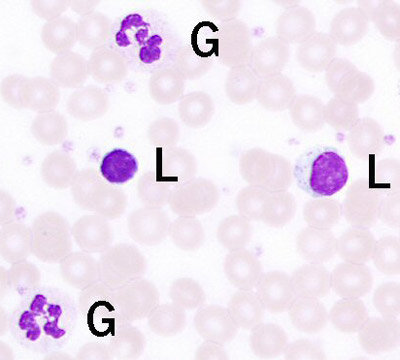
This experiment determines changes in stress and immune responses, during and after a stay on the International Space Station. This will include sampling of saliva, blood and urine to check for hormones associated with stress and for carrying out white blood-cell analysis. Attention is given to the adaptation of energy metabolism, which can affect immune response.
An increased understanding of the coupling between stress and the functioning of the immune system has relevance for people on Earth. This experiment is planned to be carried out over multiple Expedition crews requiring six subjects in total.
NOA 1
Recent research has demonstrated that more Nitric Oxide in our breath is an early and accurate sign of airway inflammation especially in asthma but also after dust inhalation. This experiment will utilise improved techniques for analysis of Nitric Oxide in expired air. This will be used to study physiological reactions in humans in weightlessness.
Since dust never settles in weightlessness, it is likely that there is an increased exposure of the human airways to inhaled particles in space. The crewmembers will perform a simple inhalation-exhalation procedure on a bi-weekly basis during their stay on the International Space Station.
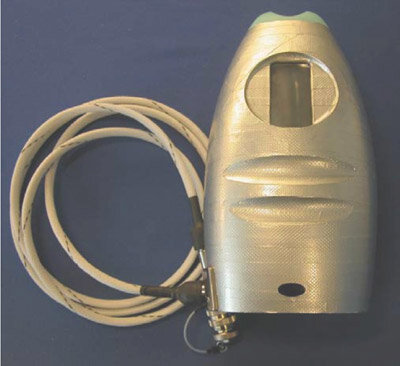
Elevated levels of expired Nitric Oxide compared to preflight levels would indicate airway inflammation. Data is stored on a credit-card size memory unit. This experiment, which started during Expedition 12, is planned to be carried out over multiple Expedition crews requiring eight subjects.
The Platon device, developed for spaceflight, has a dual use, as it is also used to improve the treatment of asthma by allowing monitoring of patients at home.

NOA 2
In scuba divers the presence of gas bubbles in the bloodstream as a result of decompression is well-known and can be common after dives even with no signs of decompression sickness. The occurrence of decompression sickness in astronauts following a spacewalk is not known. Using decompression techniques on ground gives rise to symptoms of decompression sickness in approximately 6% of cases. This suggests a much higher frequency of gas bubbles without clear symptoms of decompression sickness. A non-invasive and simple technique for assessing current decompression techniques before and after a spacewalk would be beneficial.
In this experiment astronauts perform a simple inhalation-exhalation procedure (as in the NOA 1 protocol) as late as possible before starting standard spacewalk preparations, and again as soon as possible after completing the spacewalk. An increased level of expired Nitric Oxide compared to pre-procedure levels will indicate the presence of gas emboli, suggesting a need for adaptation of existing procedures.
NASA experiments
In addition to the European experiment programme in human physiology, Thomas Reiter will take part in two experiments on behalf of NASA.
Epstein-Barr
This experiment covers the reactivation of the latent Epstein-Barr Virus of which approximately 90% of the adult population is infected. This investigation will assess the immune system function using blood and urine samples collected before and after spaceflight.
Renal Stone
Exposure to weightlessness may increase the risk of renal stone development in humans during and immediately after spaceflight. This experiment will test the use of potassium citrate as a countermeasure to reduce the risk of renal stone formation during spaceflight. Potassium citrate is a proven Earth-based therapy used to minimise calcium-containing renal stone development.