

European Drawer Rack
Multi-discipline flexible experiment carrier in Columbus
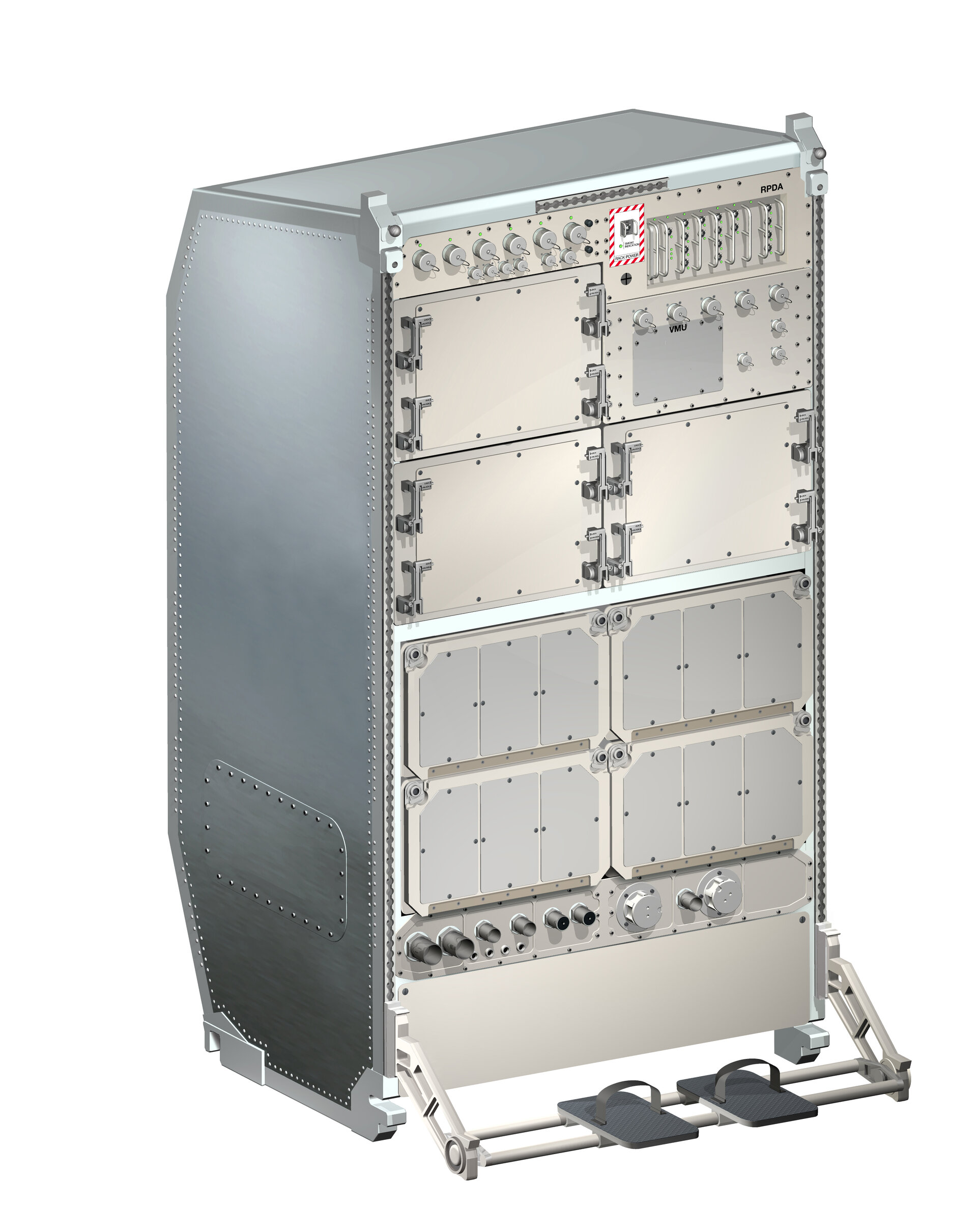
There is a need in the scientific community for medium-sized, dedicated experiment equipment for space research to reduce research costs and development times. ESA's solution is the European Drawer Rack, which is a flexible experiment carrier for a large variety of scientific disciplines.
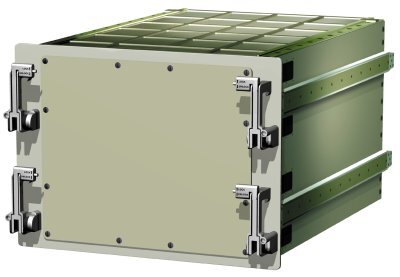
The rack provides the accommodation and resources to experiment modules in two types of standard International Space Station housings called International Subrack Interface Standard drawers and International Space Station Lockers. The European Drawer Rack can accommodate up to three of these drawers, each with a volume of 72 litres as well as four lockers, with a volume of 57 litres.
This approach allows a quick turn-around capability, and provides increased flight opportunities for the user community that wish to perform experiments but do not require a complete rack.
The overall design of the facility is optimised for accommodating three to four payloads in parallel.
Resource management
The resource management covers the monitoring of resource allocations to individual payloads, but the operating concept of the European Drawer Rack assumes that payloads are largely autonomous.
The facility computer distributes Space Station data to payloads and routes payload data to ground and the European Drawer Rack laptop. The European Drawer Rack data management system supports all modes of payload operation, ranging from fully automatic to step-by-step control by an astronaut.
In addition to distributing Columbus resources to the experiment modules, the European Drawer Rack provides services such as air cooling and conversion of 120 volt Columbus power to 28 volts.

Initial configuration
The initial configuration of the European Drawer Rack included one experiment module - the Protein Crystallisation Diagnostics Facility - a multi-user material science instrument.
The Crystallisation Diagnostics Facility tackles the problem of protein crystallisation in space. This facility helps establish the conditions under which good zeolite crystals can be grown. This can only be determined in weightlessness as gravity on Earth influences results. The results generated will have benefits in various industrial applications.

