

Preparation for human exploration
ESA is preparing for future human exploration missions. Preparation is done in several areas such as system design, technology development and orbital and ground research and demonstration. Orbital and ground research and demonstration has been invaluable in current human spaceflight activities.
Habitation and space operation systems
New habitat designs will be needed to support the crews doing long duration exploration outside low Earth orbit (LEO). The designs will have to cope with increased radiation and space debris levels and provide more volume and facilities as the crew will not be able to rely on immediate Earth based supplies. New concepts using inflatable modules are under development.
Several other complementary capabilities such as human robotic assistance, In-Situ Resource Utilisation (ISRU) and novel power generation and management systems are also being developed.
Life support and environmental control systems
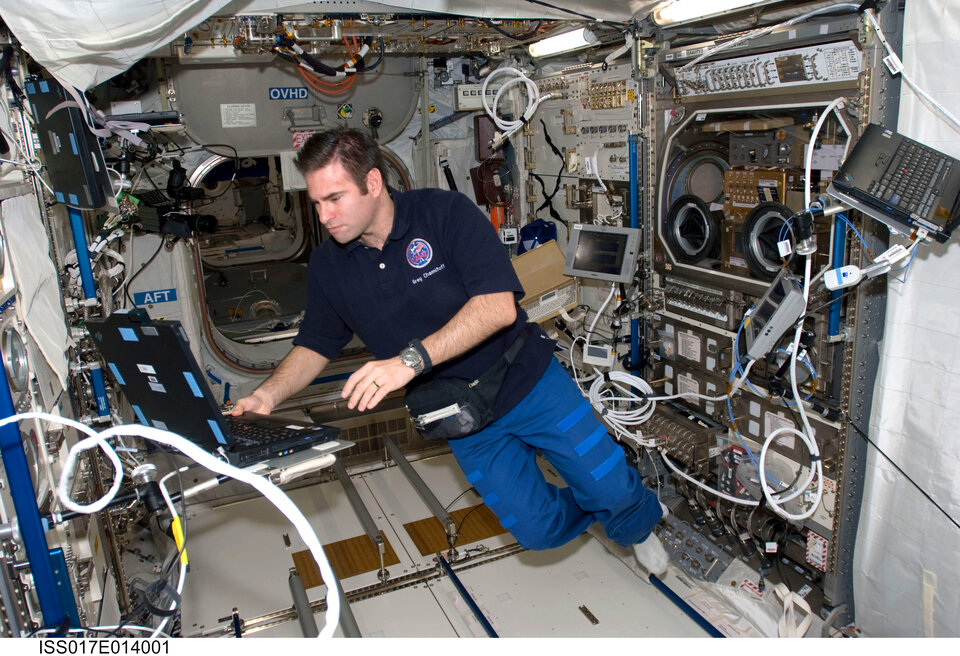
For more than 20 years, ESA has been developing technologies in all the main life support areas resulting in the flight systems for Columbus, MPLM and ATV. The ISS is being used as a test bed for technologies needed for long duration missions.
The Air Revitalisation System, ARES, is under development and planned to be flown on the ISS. It will provide the first operational demonstration of regenerative air revitalisation for Europe in the form of a complete system. ARES can reduce the re-supply needs of the ISS when operational.
In addition, the air constituent analyser ANITA has been successfully demonstrated as an operational device on the ISS and is ready to be further developed into an optimised, fully operational ISS system.
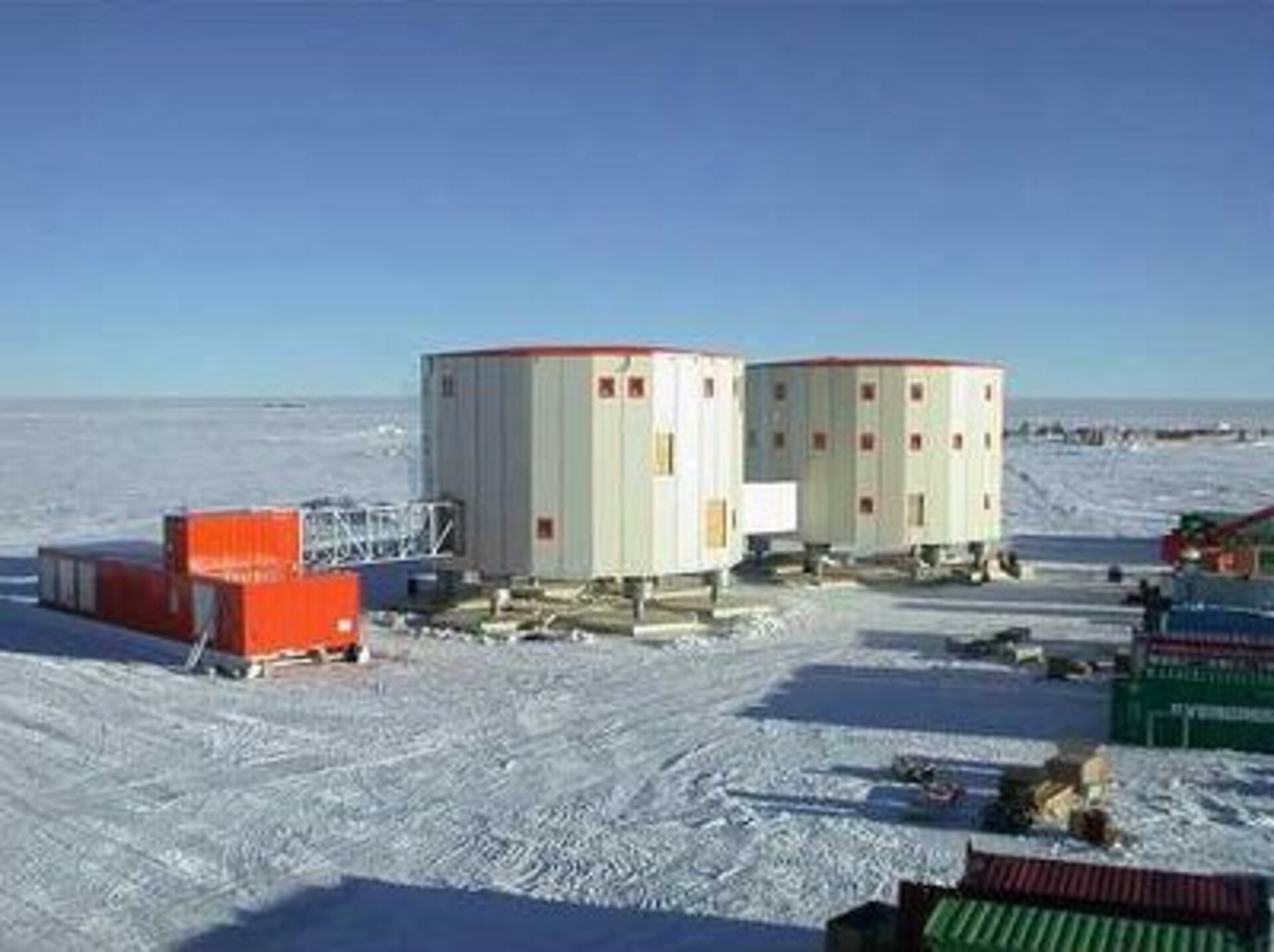
Further developments are ongoing in the areas of air and water recycling, waste management, food production, contaminant measurement and control. As an example of this the Concordia Station in Antarctic is used as a test bed for demonstration of such technologies including the recycling of waste water (shower, sink etc.) using the ESA Grey Water Treatment Unit. This system is in itself a complementary technology to the Micro-Ecological Life Support System Alternative (MELiSSA).
Isolation studies
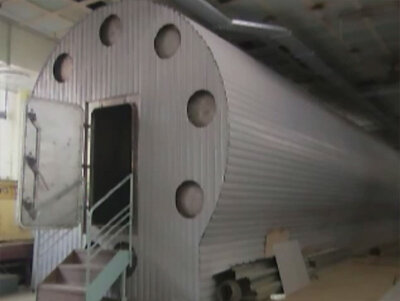
Human exploration of space will become a reality and the first steps in planning such missions begin with simulating every element of such a mission before it launches.
Starting early in 2009 the Mars500 isolation study in Moscow will help to determine what psychological effects of undertaking a mission to Mars lasting 520 days.
Such challenging studies are extremely important in understanding crew interaction and dynamic on such an extensive human spaceflight mission, and can also provide valuable information which can be used for selection procedures for future astronauts.
Bed rest studies
In the same way that isolation studies can provide an insight into psychological aspects of human spaceflight missions, bed rest studies (which simulate the effect of low gravity) also provide an important insight into physiological aspects of such missions, and help to test ways of counteracting these physiological effects such as reduced muscle and bone mass as well as cardiovascular effects.
In combination with novel exercise equipment and even artificial gravity through ESA's Short-Arm Human Centrifuges at DLR and MEDES there will be enormous medical advancements and long-duration human spaceflight risk mitigation.