• → European Space Agency

      • Space for Europe
      • Space News
      • Space in Images
      • Space in Videos
    • About Us

      • Welcome to ESA
      • DG's News and Views
      • For Member State Delegations
      • Business with ESA
      • ESA Exhibitions
      • ESA Publications
      • Careers at ESA
    • Our Activities

      • Space News
      • Observing the Earth
      • Human Spaceflight
      • Launchers
      • Navigation
      • Space Science
      • Space Engineering
      • Operations
      • Technology
      • Telecommunications & Integrated Applications
    • For Public

    • For Media

    • For Educators

    • For Kids

    • ESA

    • Human Spaceflight

    • Astronauts

    • International Space Station

    • Research

    • Education

    • About research in space
    • Related ESA sites
    • Erasmus Experiment Archive
    • Erasmus Centre / Human Spaceflight Research
    • Services
    • Calendar
    • Subscribe

    ESA > Our Activities > Human Spaceflight > Research

    Finding the key to immunity

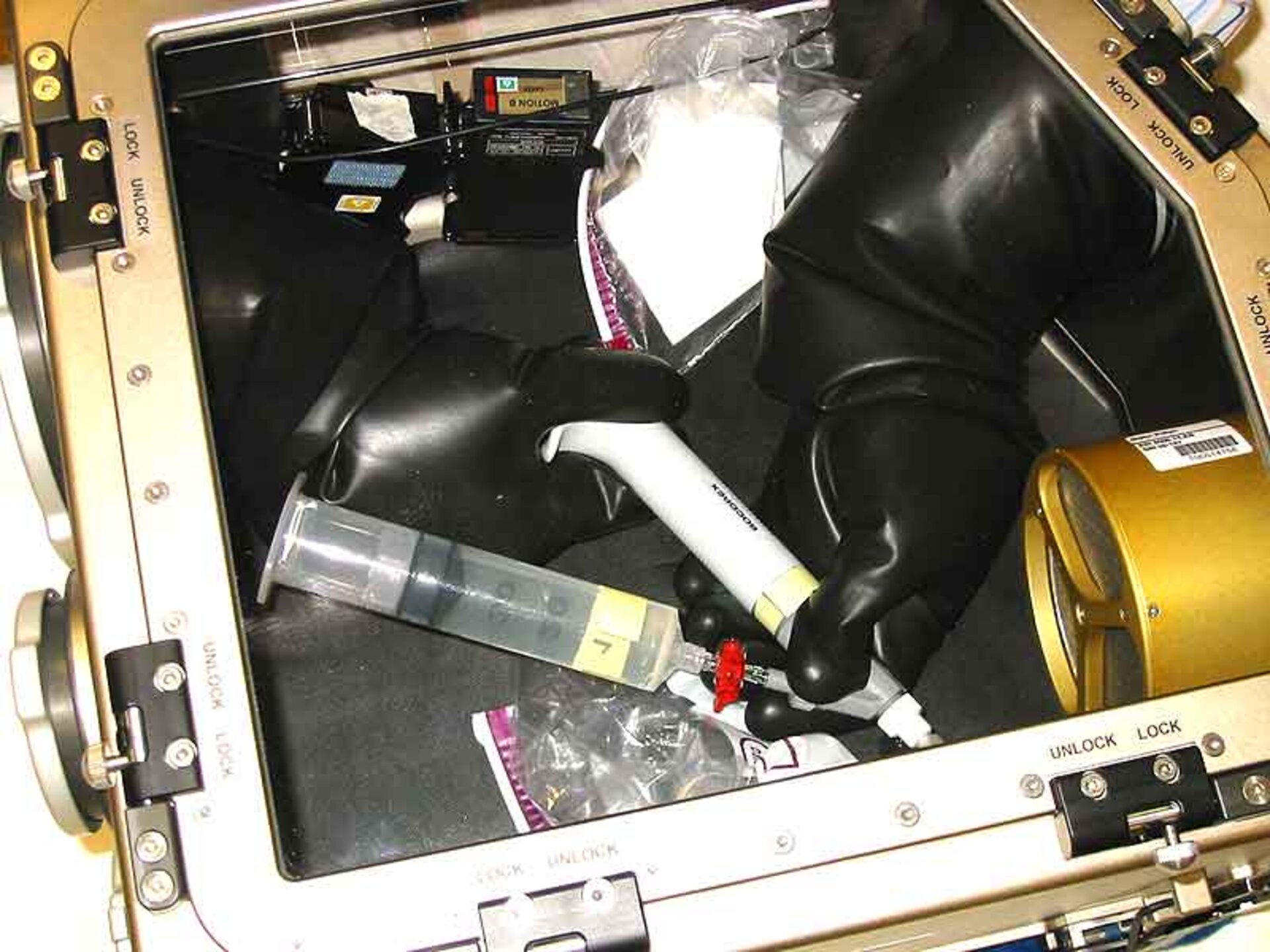
    Cell experiment in portable glovebox
    4 February 2013

    Living in space weakens astronauts’ immune systems, researchers have discovered. The findings are providing clues on how to tackle diseases on Earth before symptoms appear.

    Ever since the first humans ventured into space we have known that astronauts can suffer from common infections that would be quickly dealt with by healthy people on Earth. Until now, it was not clear what was blocking astronauts’ immune systems from working normally.  

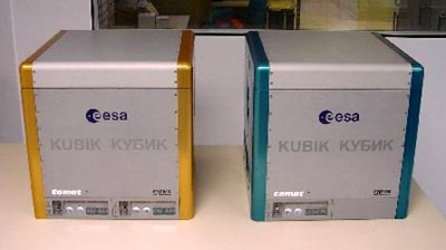
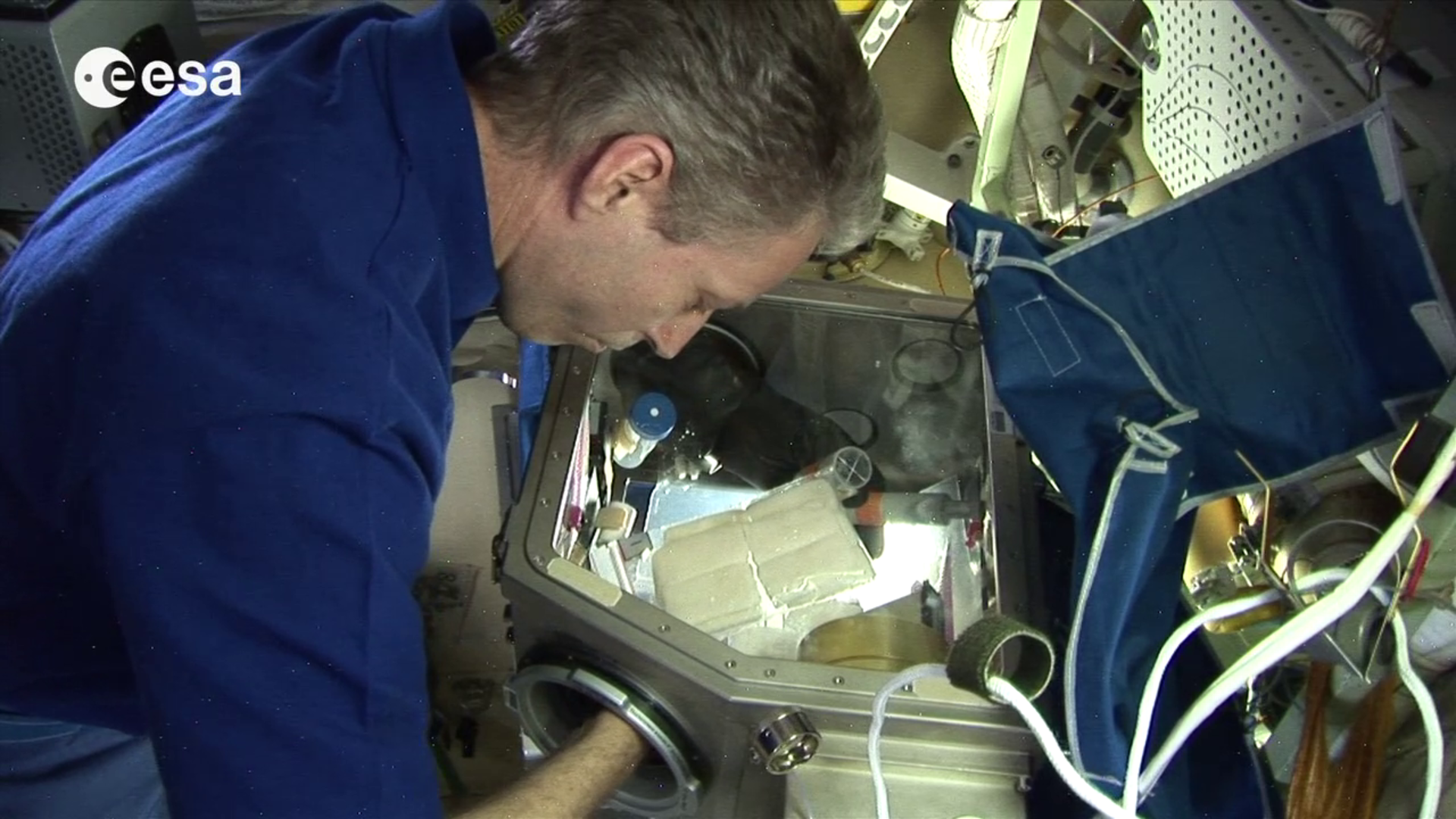
    In 2006, ESA astronaut Thomas Reiter performed an experiment on the International Space Station using ESA’s Kubik space incubator. A batch of human immune cells was allowed to float in microgravity while another was held in a centrifuge to simulate gravity. The cells were preserved for analysis back on Earth.

    The cells that experienced simulated gravity as if on Earth were found to be in good health compared to their weightless equivalents.

    Loading...
    Thomas Reiter performing the experiment
    Access the video

    On the right path

    Kubik incubator

    By comparing the samples, investigators saw what was stopping the immune cells from working properly. A specific transmitter in the immune cells, called the Rel/NF-κB pathway, stops working in weightlessness.

    “Normally, when our bodies sense an invasion, a cascade of reactions occur that are controlled by the information held in our genes, similar to an instruction book,” explains Isabelle Walther, an investigator based in Zurich, Switzerland.

    “Finding which gene does what is like looking for the right key to fit a keyhole, without having found the keyhole yet.”

    Studying cells that have flown on the International Space Station is putting researchers on the right path to finding the key to how our immune system works. Comparing samples is showing them where to look to find which genes instruct our immune cells to react to diseases, and how.

    Controlling disease at the source

    “We are working towards a finer control of disease,” says Millie Hughes-Fulford, NASA astronaut and a investigator on this experiment.

    This research could help to tackle two types of disease. Stopping genes that activate our immune system would help to relieve people suffering from autoimmune diseases such as arthritis. The pharmaceutical industry could find the genes that need be active to fight specific illnesses and market tailored antibodies.

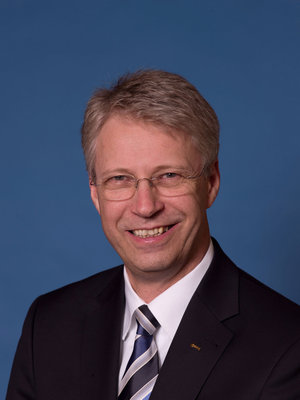
    Thomas Reiter

    “If you imagine our immune system responding to diseases as a waterfall,” explains Millie, “up until now we have been fighting disease at the bottom of the waterfall.

    “In the future we could target the raindrops before they have a chance to cascade into waterfalls. We live in exciting times.”

    Thomas Reiter, who is now director of ESA’s Human Spaceflight and Operations, says: “All astronauts do their best to perform experiments for researchers on the ground. I am very pleased that the experiment I performed over five years ago is revealing such interesting results.”
    Rate this

    Views

    Share

    • Currently 4.5 out of 5 Stars.
    • 1
    • 2
    • 3
    • 4
    • 5
    Rating: 4.57/5 (33 votes cast)

    Thank you for rating!

    You have already rated this page, you can only rate it once!

    Your rating has been changed, thanks for rating!

    3858
    Tweet

    Related articles

    Andre Kuipers completing ROALD-2

    Keeping immune cells alive and kicking08 May 2012

    Andre Kuipers completing ROALD-2

    Keeping immune cells alive and kicking08 May 2012 New results from research on the International Space Station are offering clues on why astronauts’ immune systems don’t work as well in space. The findings may benefit the elderly on Earth.

    Kubik incubators

    Kubik12 May 2009

    Kubik incubators

    Kubik12 May 2009 KUBIK consists of a small controlled temperature volume, which can function both as an incubator or cooler (+6°C to +38°C temperature range). Additionally, self contained automatic experiments can be performed using power provided by the facility. A c...

    Thomas Reiter

    Thomas Reiter04 July 2001

    Thomas Reiter

    Thomas Reiter04 July 2001 European Space Agency (ESA) astronaut,Director of ESA’s Directorate of Human Spaceflight and Operations Personal data Born 23 May 1958, in Frankfurt/Main, Germany, Thomas is married and has two sons. He enjoys fencing, badminton, cooking and playin...

    • Astrolab mission logo
      Astrolab mission logo
      Astrolab Mission
    • Research publication in Journal of Leukocyte Biology
    • Experiment archive
    • Leukin experiment details
    • Millie Hughes-Fulford NASA biography
    • Research partners
    • Space Biology Group
    • University of California Medical Center
    • University of Sassari department of biomedicine

    Connect with us

    • RSS
    • Youtube
    • Twitter
    • Flickr
    • G+
    • Facebook
    • Livestream
    • Subscribe
    • App Store
    • LATEST ARTICLES
    • · Proba-V opens its eyes
    • · First new Galileo satellite arrive…
    • · Next destination: space
    • · Leak repaired on International Spa…
    • · After Chelyabinsk: European expert…
    • FAQ

    • Jobs at ESA

    • Site Map

    • Contacts

    • Terms and conditions