• → European Space Agency

      • Space for Europe
      • Space News
      • Space in Images
      • Space in Videos
    • About Us

      • Welcome to ESA
      • DG's News and Views
      • For Member State Delegations
      • Business with ESA
      • ESA Exhibitions
      • ESA Publications
      • Careers at ESA
    • Our Activities

      • Space News
      • Observing the Earth
      • Human Spaceflight
      • Launchers
      • Navigation
      • Space Science
      • Space Engineering
      • Operations
      • Technology
      • Telecommunications & Integrated Applications
    • For Public

    • For Media

    • For Educators

    • For Kids

    • ESA

    • Human Spaceflight

    • Astronauts

    • International Space Station

    • Research

    • Education

    • Our vision
    • About human spaceflight
    • Current missions
    • Volare
    • Bedrest studies
    • ATV
    • Concordia
    • Past missions

      • PromISSe
      • Mars500
      • MagISStra
      • DAMA mission
      • Node-3 & Cupola
      • Expert
      • Alissé
      • OasISS
      • Columbus
      • Esperia
      • Celsius
      • Astrolab
      • Eneide
      • DELTA
      • Cervantes
      • Odissea
      • Marco Polo
      • Andromède
      • STS-100
    • Multimedia
    • Video
    • Multimedia gallery
    • RSS feeds
    • Resources
    • Experiment archive
    • Services
    • Subscribe

    ESA > Our Activities > Human Spaceflight

    Space for dessert?

    9 July 2012

    All chefs know that preparing the perfect chocolate mousse is one part science and one part art. ESA’s microgravity research is helping the food industry understand the science behind the foams found in many types of food and drink such as meringues and coffee.

    Not all foams are created equal. Consumers expect a chocolate mousse to keep its structure and taste on the journey from the supermarket to their fridge. But the froth on some drinks would seem strange if it did not disappear after a few minutes.

    Creating the right type of foam on demand is tricky. Liquid flows downwards on Earth and foams are torn apart by gravity pulling on the bubbles.

    Foams are easier to study in weightlessness because the bubbles are evenly spread rather than the larger bubbles floating to the top.

    ESA has been investigating foams since the 1980s. Our knowledge and knowhow caught the attention of food company Nestlé over 10 years ago.
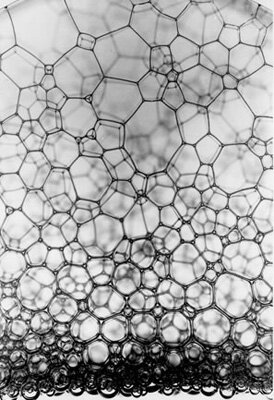
    Foam
    Foam bubbles

    “Gaining a better understanding of foam may help to improve the texture of our products,” says Dr Cécile Gehin-Delval, a scientist at the Nestlé Research Centre.

    “Stable foam in chocolate mousse gives the feeling of creaminess in the mouth. To make fine coffee froth, we want to create stable little bubbles to make it light and creamy.

    Creating foams in microgravity is not as straightforward as it might seem – scientists mainly know how they form on Earth. After some experiments, a design was found that uses electromagnetically powered pistons to whip the liquids into shape.

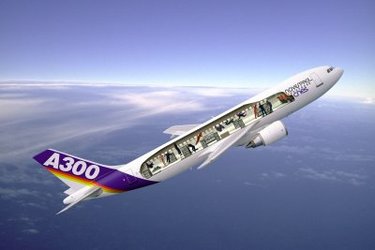
    Nestlé has researched the issue on ESA’s parabolic aircraft flights, where they tested hardware and looked at milk protein for 20 seconds at a time during periods of weightlessness.

    ”

    Zero-G Airbus A300 for parabolic flights

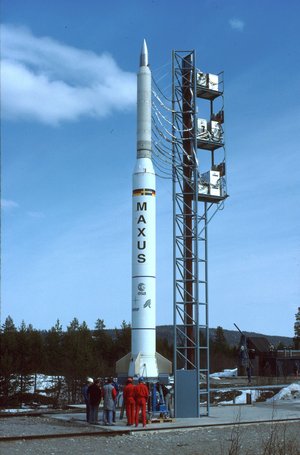
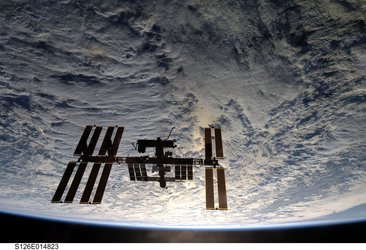
    Parabolic flights are only one of the ways scientists can study phenomena in ‘zero-gravity’. Sounding rockets offer up to six minutes of weightlessness but the International Space Station is the only permanent microgravity laboratory available.

    Now that researchers have proven their experiment hardware can make and analyse foams on parabolic flights, they are looking at continuing their study on the Space Station.
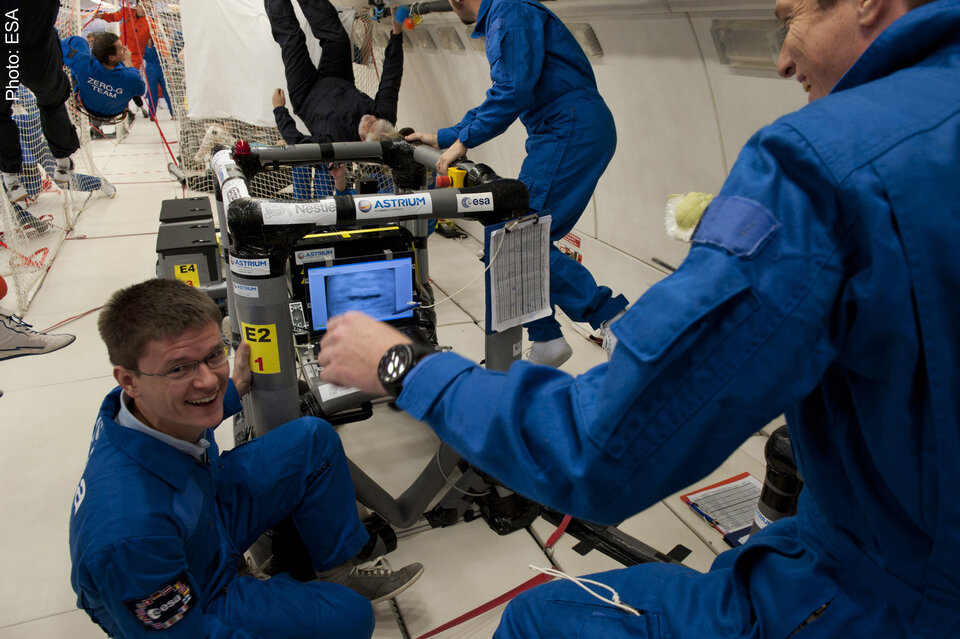
    Studying foams

    ESA’s Olivier Minster explains: “Around half of the products found in a typical fridge are based on foams and emulsions. If we can create more stable foams without adding ingredients this will improve their shelf-life.”

    Unfortunately for the astronauts on the Space Station, scientists need only small quantities for testing. There is no chance they will be allowed to taste the results.

    Rate this

    Views

    Share

    • Currently 0 out of 5 Stars.
    • 1
    • 2
    • 3
    • 4
    • 5
    Rating: 0/5 (0 votes cast)

    Thank you for rating!

    You have already rated this page, you can only rate it once!

    Your rating has been changed, thanks for rating!

    179
    Tweet
    • Related News
      • Sweet news from Belgium
      • Related articles
        • Parabolic flights
          • Experience weightlessness on board the 'Zero-G' Airbus
            • Sounding rockets
              • International Space Station
              • External link
              • Nestlé Research Centre
              • Nestlé and the European Space Agency Use Zero Gravity for Scientific Explorations

    Connect with us

    • RSS
    • Youtube
    • Twitter
    • Flickr
    • G+
    • Facebook
    • Livestream
    • Subscribe
    • App Store
    • LATEST ARTICLES
    • · Proba-V opens its eyes
    • · First new Galileo satellite arrive…
    • · Next destination: space
    • · Leak repaired on International Spa…
    • · After Chelyabinsk: European expert…
    • FAQ

    • Jobs at ESA

    • Site Map

    • Contacts

    • Terms and conditions