• → European Space Agency

      • Space for Europe
      • Space News
      • Space in Images
      • Space in Videos
    • About Us

      • Welcome to ESA
      • DG's News and Views
      • For Member State Delegations
      • Business with ESA
      • ESA Exhibitions
      • ESA Publications
      • Careers at ESA
    • Our Activities

      • Space News
      • Observing the Earth
      • Human Spaceflight
      • Launchers
      • Navigation
      • Space Science
      • Space Engineering
      • Operations
      • Technology
      • Telecommunications & Integrated Applications
    • For Public

    • For Media

      • Media
      • ESA TV
      • Videos for professionals
      • Photos
    • For Educators

    • For Kids

    • ESA

    • Human Spaceflight

    • Astronauts

    • International Space Station

    • Research

    • Education

    • Our vision
    • About human spaceflight
    • Current missions
    • Volare
    • Bedrest studies
    • ATV
    • Concordia
    • Past missions

      • PromISSe
      • Mars500
      • MagISStra
      • DAMA mission
      • Node-3 & Cupola
      • Expert
      • Alissé
      • OasISS
      • Columbus
      • Esperia
      • Celsius
      • Astrolab
      • Eneide
      • DELTA
      • Cervantes
      • Odissea
      • Marco Polo
      • Andromède
      • STS-100
    • Multimedia
    • Video
    • Multimedia gallery
    • RSS feeds
    • Resources
    • Experiment archive
    • Services
    • Subscribe

    ESA > Our Activities > Human Spaceflight

    Successful launch for Maxus 5

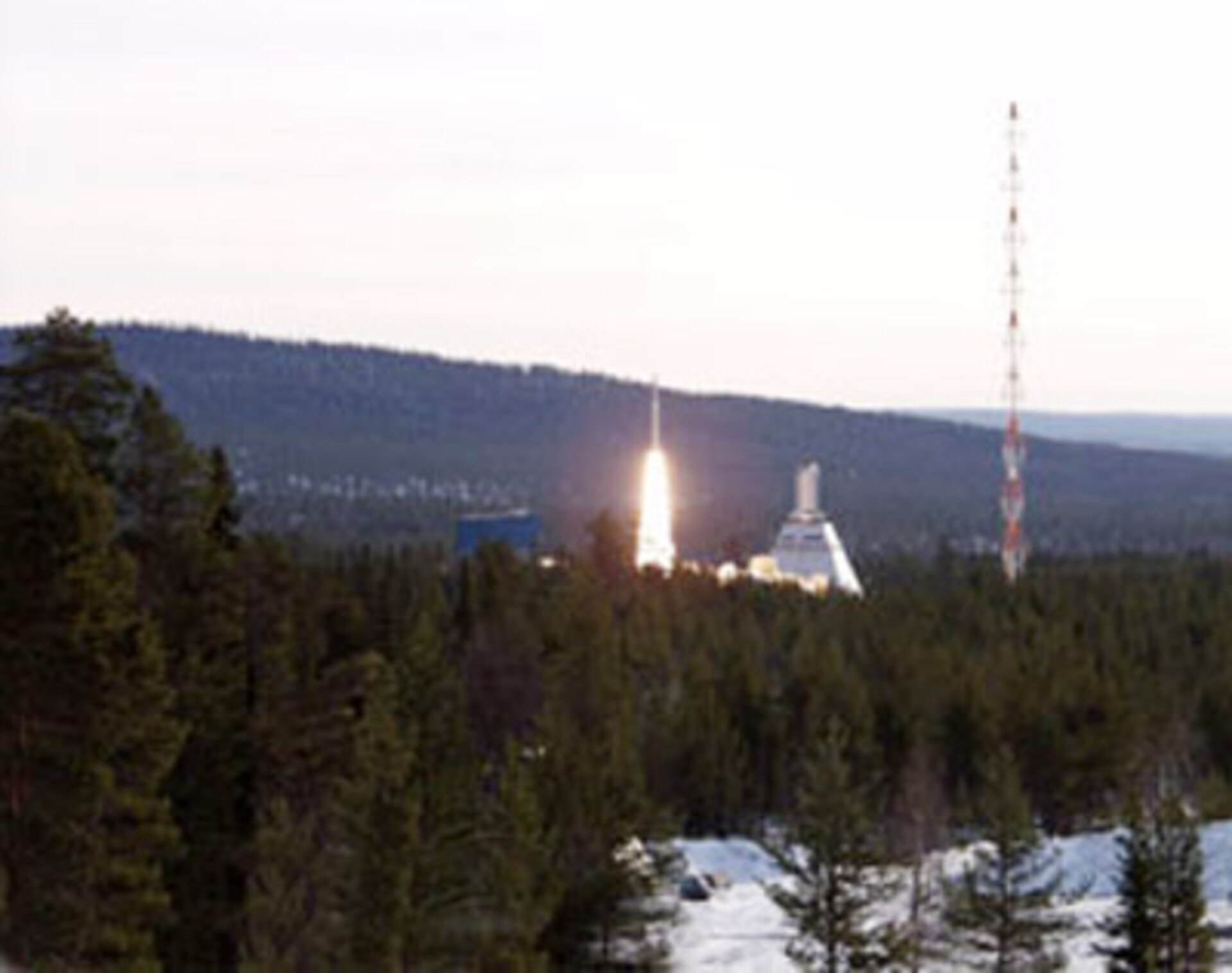
    Maxus 5 launch
    Maxus 5 was successfully launched from the Esrange facility at Kiruna, northern Sweden
    1 April 2003

    The European Space Agency’s Maxus 5 sounding rocket mission was successfully launched on 1 April at 08:00 CEST (06:00 GMT) from Esrange, north of the Arctic Circle near Kiruna in northern Sweden.

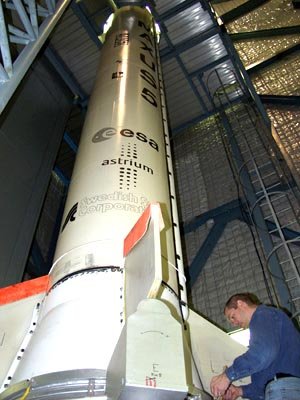
    The rocket, an 11.5 tonne solid-fuelled Castor 4B, carried a 488 kg payload of five scientific experiments with their associated telemetry and video links. The five experiments were stacked in five self-contained modules. They were designed to investigate phenomena in biology, fluid physics, material science and fundamental physics.
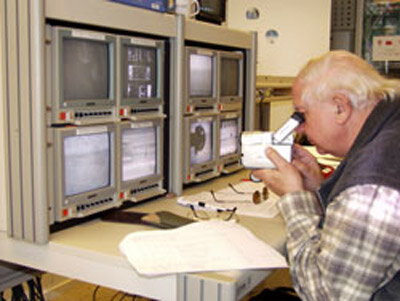
    Telemetry link
    Video images were sent back to the ground station via telemetry

    The launch, originally planned for later in the morning, was brought forward due to the bad weather forecast for later in the day. Maxus 5 hurtled upwards through a partially cloudy sky to reach a maximum speed of about 3600 metres per second and maximum height of just over 700 km. From booster burnout 70 km up, until atmospheric re-entry 740 seconds later, the payload was in excellent microgravity conditions.

    Mission telemetry, used to monitor the experiments, functioned perfectly. Video images and data received at Esrange show that the experiments went well. Early indications are that just one of the experiments experienced any problems during the mission.
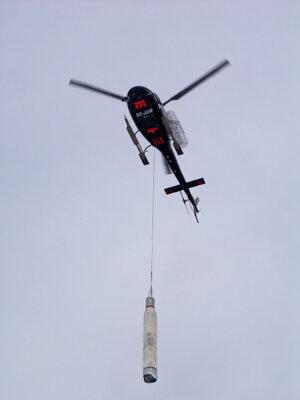

    Maxus 5 payload recovery
    The payload package was returned to the ground station by helicopter

    The payload package was found soon after landing and has been recovered by two helicopters about 80 km downrange.

    Describing events from the control room at Esrange, Wolfgang Herfs, ESA’s sounding rocket project manager, said, “The scientists are very excited as the flight went very well, they can’t wait to get hold of their samples for further analysis”.
    Rate this

    Views

    Share

    • Currently 0 out of 5 Stars.
    • 1
    • 2
    • 3
    • 4
    • 5
    Rating: 0/5 (0 votes cast)

    Thank you for rating!

    You have already rated this page, you can only rate it once!

    Your rating has been changed, thanks for rating!

    21
    Tweet
    • Related articles
      • Maxus 5 prepares for launch
      • Related links
      • Esrange
      • Maxus 5 web site

    Connect with us

    • RSS
    • Youtube
    • Twitter
    • Flickr
    • G+
    • Facebook
    • Livestream
    • Subscribe
    • App Store
    • LATEST ARTICLES
    • · Rare merger reveals secrets of gal…
    • · Watching for hazards: ESA opens as…
    • · ESA astronaut Timothy Peake set fo…
    • · Space drives e-mobility
    • · Proba-V opens its eyes
    • FAQ

    • Jobs at ESA

    • Site Map

    • Contacts

    • Terms and conditions
