• → European Space Agency

      • Space for Europe
      • Space News
      • Space in Images
      • Space in Videos
    • About Us

      • Welcome to ESA
      • DG's News and Views
      • For Member State Delegations
      • Business with ESA
      • ESA Exhibitions
      • ESA Publications
      • Careers at ESA
    • Our Activities

      • Space News
      • Observing the Earth
      • Human Spaceflight
      • Launchers
      • Navigation
      • Space Science
      • Space Engineering
      • Operations
      • Technology
      • Telecommunications & Integrated Applications
    • For Public

    • For Media

      • Media
      • ESA TV
      • Videos for professionals
      • Photos
    • For Educators

    • For Kids

    • ESA

    • Human Spaceflight

    • Astronauts

    • International Space Station

    • Research

    • Education

    • Our vision
    • About human spaceflight
    • Current missions
    • Volare
    • Bedrest studies
    • ATV
    • Concordia
    • Past missions

      • PromISSe
      • Mars500
      • MagISStra
      • DAMA mission
      • Node-3 & Cupola
      • Expert
      • Alissé
      • OasISS
      • Columbus
      • Esperia
      • Celsius
      • Astrolab
      • Eneide
      • DELTA
      • Cervantes
      • Odissea
      • Marco Polo
      • Andromède
      • STS-100
    • Multimedia
    • Video
    • Multimedia gallery
    • RSS feeds
    • Resources
    • Experiment archive
    • Services
    • Subscribe

    ESA > Our Activities > Human Spaceflight

    Successful launch of Texus 43 sounding rocket

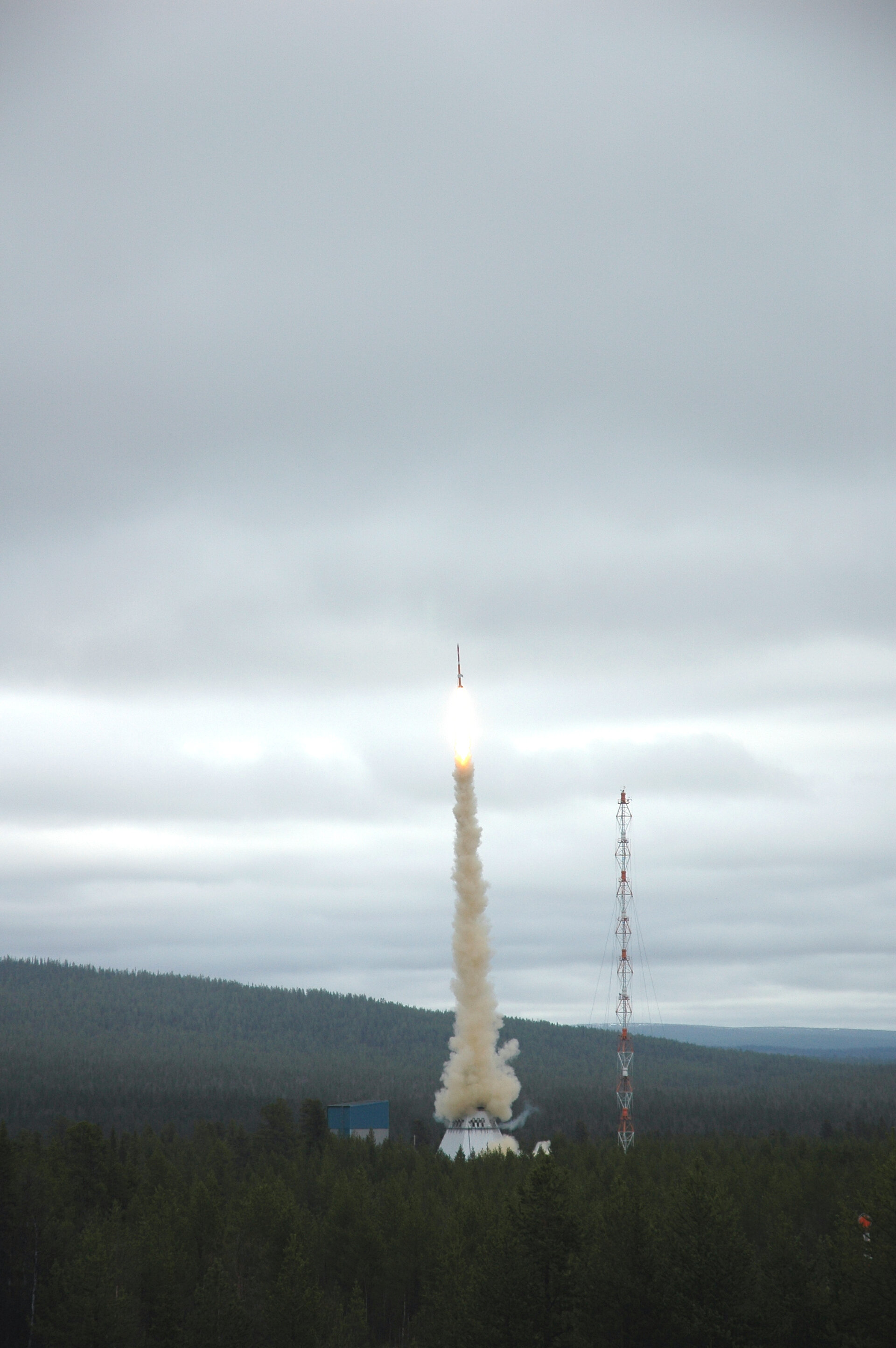
    TEXUS 43 launched on 11 May 2006 at 08:12 UT
    15 May 2006

    The Texus 43 sounding rocket was successfully launched from the Esrange launch site in northern Sweden last week. The rocket provided almost six minutes of weightlessness for the three ESA-funded experiment modules on board.

    Following the launch at 10:12 Central European Summer Time on Thursday 11 May, the rocket climbed to a height of 237 km before falling back to Earth.

    The 407 kg payload, which included two experiments in biology, and one looking at flame propagation in microgravity, was recovered from the landing site and returned by helicopter to Esrange just 75 minutes after lift-off. "We had a nominal flight and another perfect recovery of a totally undamaged payload," said Wolfgang Herfs, ESA's project manager.
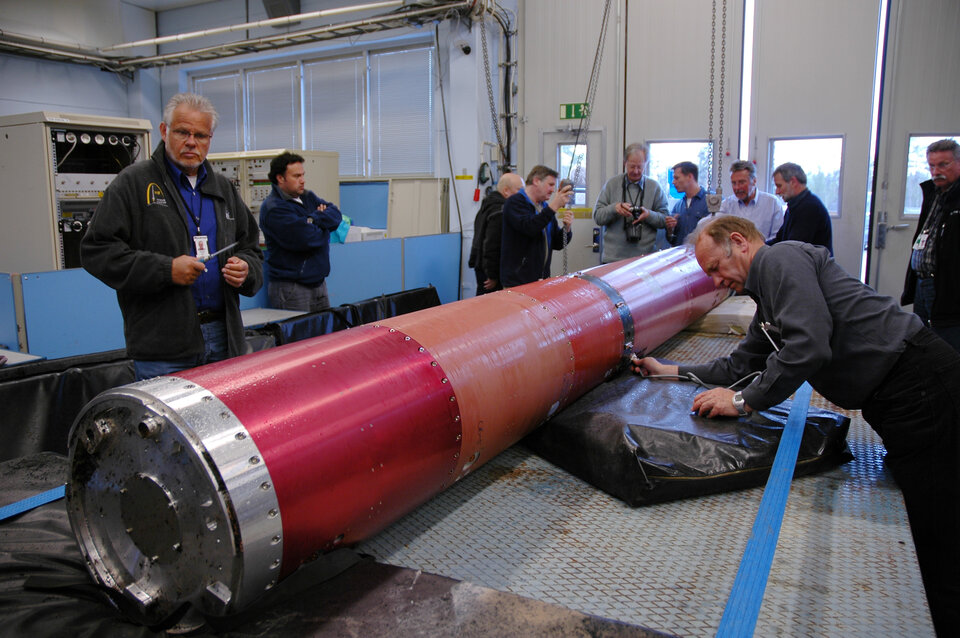
    Texus-43 payload back
    The payload is back at Esrange for analysis

    Two of the three experiment modules worked perfectly during the flight, while there were some problems with the flame experiment. "During the flight all functions of the module worked as designed except the ignition of the two samples", explained Herfs. A failure analysis will follow for this experiment, whilst the detailed analysis of samples from the two biology experiments will be performed in the home lab of the scientists.

    The primary aim of the Texus sounding rocket programme is to perform physical science and life science experiments in a microgravity environment. EADS-Space Transportation in Bremen, Germany, manages the programme, which has ESA and German Space Agency DLR is its main users.

    Rate this

    Views

    Share

    • Currently 0 out of 5 Stars.
    • 1
    • 2
    • 3
    • 4
    • 5
    Rating: 0/5 (0 votes cast)

    Thank you for rating!

    You have already rated this page, you can only rate it once!

    Your rating has been changed, thanks for rating!

    32
    Tweet
    • Related articles
    • More about sounding rockets
      • Esrange and ESA
      • Related links
      • Esrange

    Connect with us

    • RSS
    • Youtube
    • Twitter
    • Flickr
    • G+
    • Facebook
    • Livestream
    • Subscribe
    • App Store
    • LATEST ARTICLES
    • · The fast winds of Venus are gettin…
    • · ExoMars 2016 set to complete const…
    • · Herschel ends operations as orbiti…
    • · Europe’s largest spaceship reache…
    • · ATV ready to nose up to Station
    • FAQ

    • Jobs at ESA

    • Site Map

    • Contacts

    • Terms and conditions