• → European Space Agency

      • Space for Europe
      • Space News
      • Space in Images
      • Space in Videos
    • About Us

      • Welcome to ESA
      • DG's News and Views
      • For Member State Delegations
      • Business with ESA
      • ESA Exhibitions
      • ESA Publications
      • Careers at ESA
    • Our Activities

      • Space News
      • Observing the Earth
      • Human Spaceflight
      • Launchers
      • Navigation
      • Space Science
      • Space Engineering
      • Operations
      • Technology
      • Telecommunications & Integrated Applications
    • For Public

    • For Media

    • For Educators

    • For Kids

    • ESA

    • Home

    • Launch Vehicles

    • Europe's Spaceport

    • Future launchers

    • Strategy for launchers
    • Launcher strategy
    • Future Launchers Preparatory Programme
    • International cooperation
    • Launchers and industry
    • Launcher history
    • A look at the past
    • Ariane 1, 2, 3
    • Ariane 4
    • Launches
    • Previous launches
    • Next launch
    • Multimedia
    • Image gallery
    • Video gallery
    • RSS feeds
    • Launchers on your desktop
    • Screensavers and wallpaper
    • Services
    • Glossary
    • Frequently asked questions
    • Comments

    ESA > Our Activities > Launchers

    International cooperation

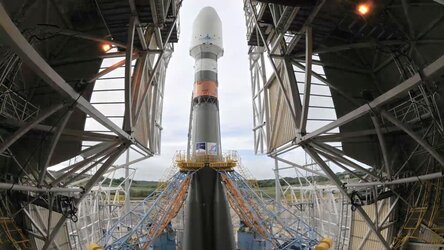
    Soyuz at Europe's Spaceport

    ESA encourages cooperation with non-ESA Member States and carries out a number of space programmes and science missions in partnership with other agencies.

    ESA and Russia

    Russia is ESA's first partner in its efforts to ensure long-term access to space. There is a framework agreement between ESA and the government of the Russian Federation on cooperation and partnership in the exploration and use of outer space for peaceful purposes, and cooperation is already underway in two different areas of launcher activity that will bring benefits to both partners.

    Soyuz at Europe’s Spaceport

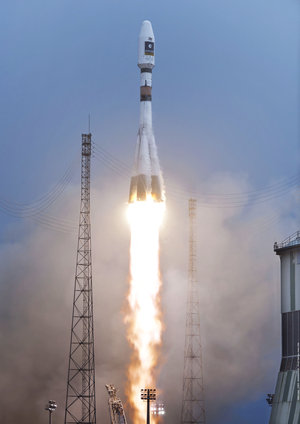
    The agreement between ESA and the Russian Federal Space Agency on long-term cooperation and partnership in the field of development, implementation and use of launchers was signed on 19 January 2005. It enables the Russian Soyuz launchers to use Europe’s Spaceport in French Guiana as a launch base. Soyuz, in its different versions, is renowned both for the number of successful launches made - more than 1700 - and for its role in carrying men and women from many different nations into space.

    The launch of Soyuz from the Spaceport in French Guiana consolidates Europe’s access to space for medium-size missions. Russia benefits from the many advantages provided by the Spaceport and from improved access to the commercial market.

    The building of the Soyuz launch site was completed in 2011. Soyuz lifted off for the first time from Europe’s Spaceport in French Guiana on 21 October 2011.
    Future Launchers

    ESA’s Launchers Programme and Russia have agreed to cooperate on developing the technologies needed for ESA’s and Russia's next generation launcher. This will reduce time, risks and costs, and may also pave the way for future joint developments and production.

    Rate this

    Views

    Share

    • Currently 5 out of 5 Stars.
    • 1
    • 2
    • 3
    • 4
    • 5
    Rating: 5/5 (2 votes cast)

    Thank you for rating!

    You have already rated this page, you can only rate it once!

    Your rating has been changed, thanks for rating!

    129
    facebook
    twitter
    reddit
    google plus
    digg
    tumbler
    digg
    blogger
    myspace
    • More about...
      • ESA Permanent Mission in Russia
        • Soyuz
        • Soyuz launch special
        • Highlight: First Soyuz
        • Related links
        • Russian Federal Space Agency

    Connect with us

    • RSS
    • Youtube
    • Twitter
    • Flickr
    • Google Buzz
    • Subscribe
    • App Store
    • LATEST ARTICLES
    • · CryoSat hits land
    • · Ariane 5 completes seven launches …
    • · Measuring skull pressure without t…
    • · Malargüe station inauguration
    • · The solar wind is swirly
    • FAQ

    • Jobs at ESA

    • Site Map

    • Contacts

    • Terms and conditions