• → European Space Agency

      • Space for Europe
      • Space News
      • Space in Images
      • Space in Videos
    • About Us

      • Welcome to ESA
      • DG's News and Views
      • For Member State Delegations
      • Business with ESA
      • ESA Exhibitions
      • ESA Publications
      • Careers at ESA
    • Our Activities

      • Space News
      • Observing the Earth
      • Human Spaceflight
      • Launchers
      • Navigation
      • Space Science
      • Space Engineering
      • Operations
      • Technology
      • Telecommunications & Integrated Applications
    • For Public

    • For Media

    • For Educators

    • For Kids

    • ESA

    • Home

    • Launch Vehicles

    • Europe's Spaceport

    • Future launchers

    • Launcher technology
    • Launcher systems
    • Solid propulsion
    • Liquid propulsion
    • Materials, structure and stages
    • Reentry technologies
    • Launches
    • Next launch
    • Launch update
    • Multimedia
    • Image gallery
    • Video gallery
    • RSS feeds
    • Services

    ESA > Our Activities > Launchers > Launcher Technology

    Solid propulsion

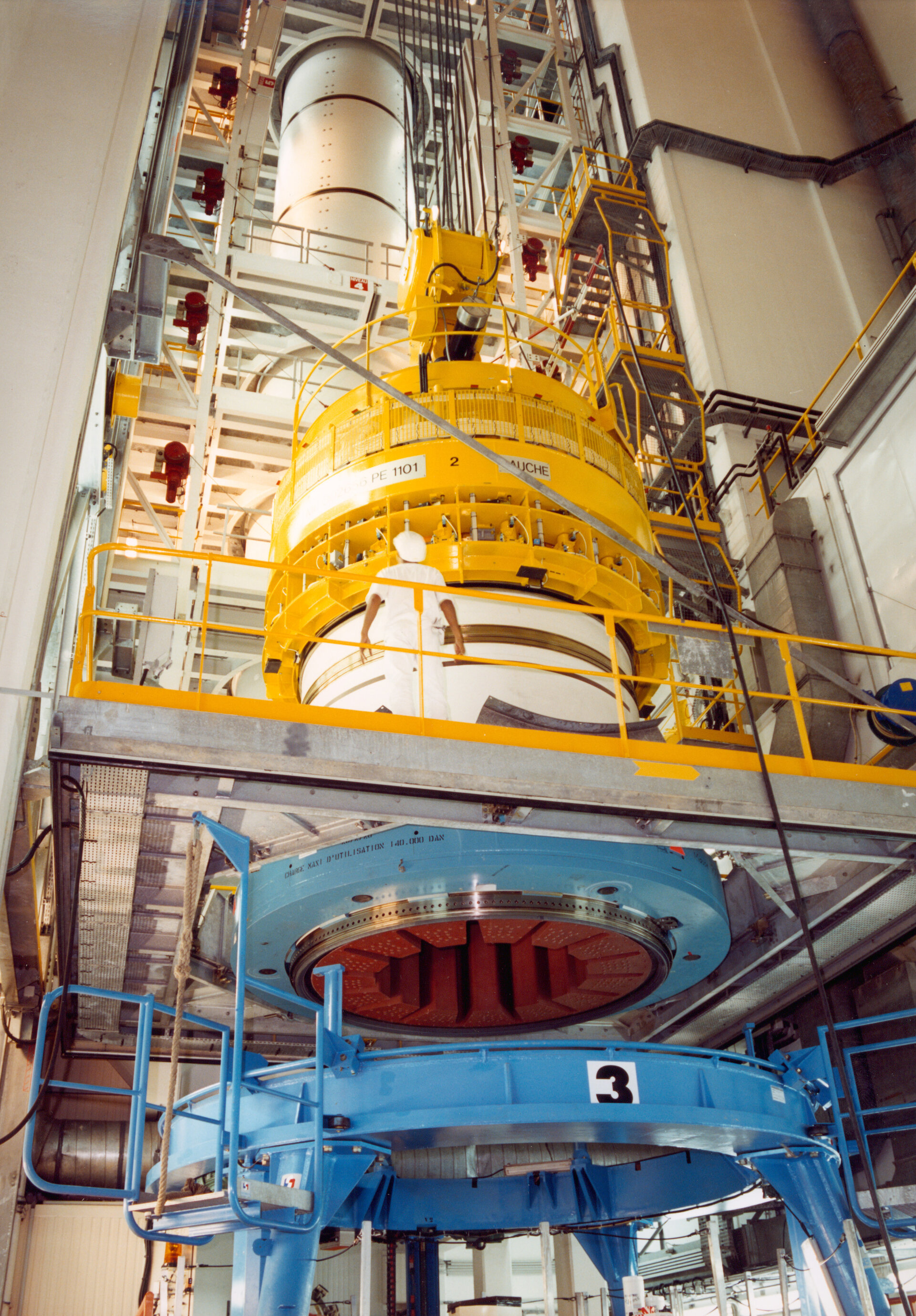
    Solid propellant stage

    Solid propulsion technology is often used for a launcher's boosters or main stage to enable a launcher to lift off. At present, a solid rocket booster is usually made up of a steel case containing blocks of a self-burning mixture called solid propellant. When this burns the gases produced are forced through a nozzle to provide the power for liftoff.

    Several new solid propulsion technologies are being developed in the frame of the Vega/P80 programme to increase performance and reduce costs. These technologies include:

    • monolithic carbon fibre reinforced polymer motor case
    • high performance propellant and grain design
    • low-density internal thermal insulation
    • nozzle using low-cost materials and advanced manufacturing processes
    • advanced flex joints
    • electro-mechanical actuators


    Other technologies under development that could be used on future launch systems include:

    • segmentation of carbon fibre reinforced polymer case and skirt/case connection
    • development of a low-cost propellant and high energy propellants
    • assessing new motor designs with respect to pressure oscillations

    Rate this

    Views

    Share

    • Currently 0 out of 5 Stars.
    • 1
    • 2
    • 3
    • 4
    • 5
    Rating: 0/5 (0 votes cast)

    Thank you for rating!

    You have already rated this page, you can only rate it once!

    Your rating has been changed, thanks for rating!

    42
    facebook
    twitter
    reddit
    google plus
    digg
    tumbler
    digg
    blogger
    myspace
    • Related links
    • ESA Industry Portal
    • Business opportunities in Kourou
    • Electronic Mail Invitation to Tender System (EMITS)
    • IXV 'e-book'

    Connect with us

    • RSS
    • Youtube
    • Twitter
    • Flickr
    • Google Buzz
    • Subscribe
    • App Store
    • LATEST ARTICLES
    • · CryoSat hits land
    • · Ariane 5 completes seven launches …
    • · Measuring skull pressure without t…
    • · Malargüe station inauguration
    • · The solar wind is swirly
    • FAQ

    • Jobs at ESA

    • Site Map

    • Contacts

    • Terms and conditions