• → European Space Agency

      • Space for Europe
      • Space News
      • Space in Images
      • Space in Videos
    • About Us

      • Welcome to ESA
      • DG's News and Views
      • For Member State Delegations
      • Business with ESA
      • ESA Exhibitions
      • ESA Publications
      • Careers at ESA
    • Our Activities

      • Space News
      • Observing the Earth
      • Human Spaceflight
      • Launchers
      • Navigation
      • Space Science
      • Space Engineering
      • Operations
      • Technology
      • Telecommunications & Integrated Applications
    • For Public

    • For Media

    • For Educators

    • For Kids

    • ESA

    • Navigation

    • EGNOS

    • Galileo

    • Evolution

    • About satellite navigation
    • Europe's satellite navigation services
    • Resources
    • Development Facilities
    • Navipedia
    • Multimedia
    • Galileo's In-Orbit Validation phase - 2012 video
    • Galileo - Europe leads the way 3D video
    • Image gallery
    • Video gallery
    • Documents
    • Galileo factsheet (PDF)
    • Galileo IOV factsheet (PDF)
    • Galileo FOC factsheet (PDF)
    • GNSS Evolution factsheet (PDF)
    • Galileo IOV brochure (PDF)
    • Galileo IOV brochures in French and German (PDF)
    • Archives
    • News archive
    • Navigation projects
    • Services
    • Subscribe

    ESA > Our Activities > Navigation

    Development of a Galileo/GPS monolithic receiver front-end

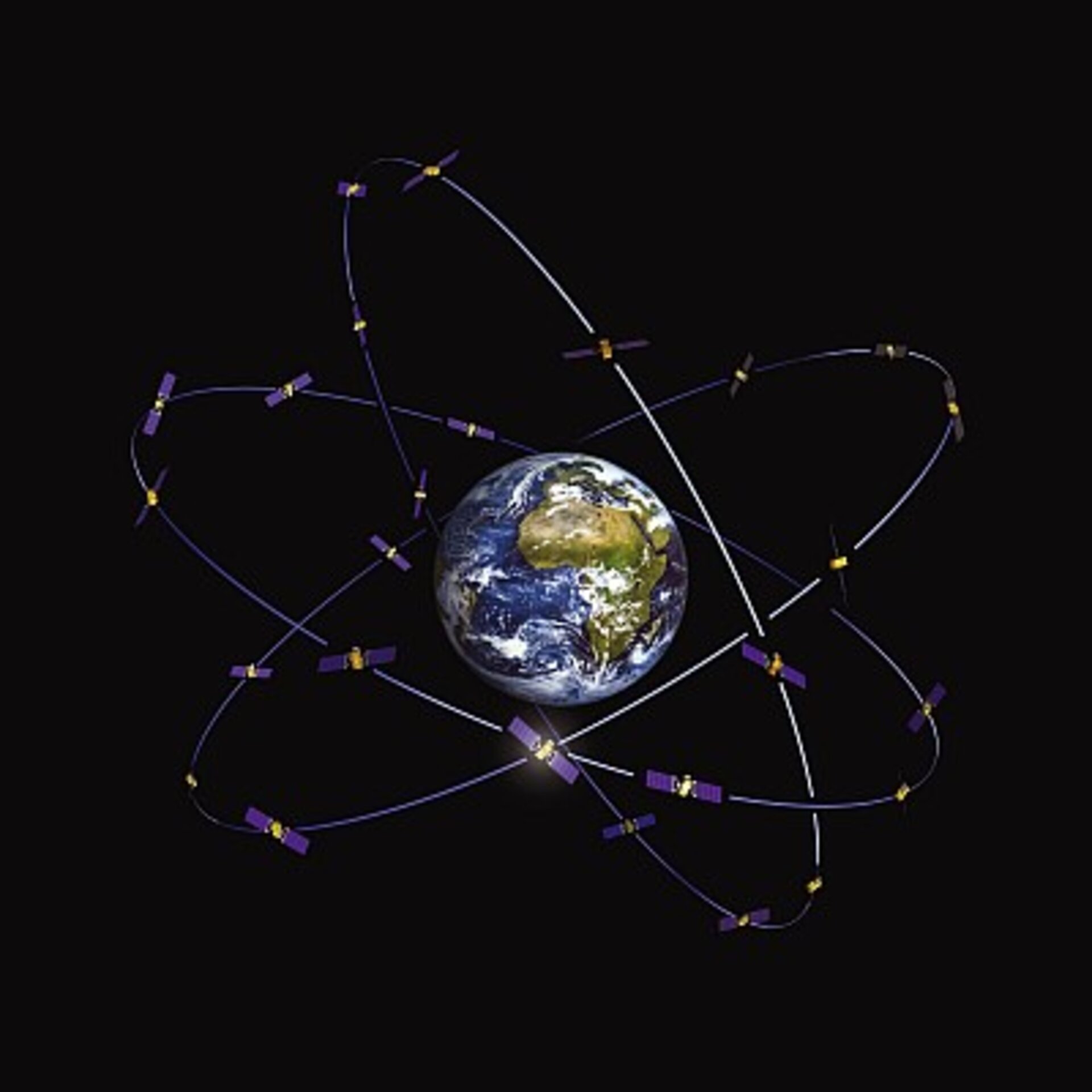
    Galileo constellation

    Future Global Navigation Satellite System (GNSS) receivers will need to receive not just the so-called L1 frequency but the whole range of GPS, GLONASS, EGNOS and GALILEO signals in the lower and upper part of the L-band spectrum.

    Consequently, the radio frequency front-ends of future GNSS receivers will need to be wide-band, covering a range of some 400 MHz instead of the current few MHz. They will also need to be able to process multiple signals simultaneously. Current implementations of such receivers, for GPS L1/L2 signals, normally use parallel (and therefore high cost) radio-frequency front-ends.

    The acceptance of Galileo will depend on the early availability of low cost receivers. Moreover, space research and space applications will benefit from the availability of a truly compact wideband GNSS receiver. ESA has already initiated two related developments of wideband receivers; however both contracts put the emphasis on space technology and are limited to receiving the current and planned GPS/GLONASS signals (and potentially those Galileo signals that fall into that frequency range).

    In quite some contrast, this development will cover the complete Galileo frequency range and will allow the reception and processing of any combination of signals. The monolithic receiver front-end implementation will be based on state-of-the art commercial technology. The resulting device will then be tested to characterise its radiation hardness properties.

    The development consortium comprises ChipIdea, Septentrio and Lusospace.

    The project was initiated in May 2005 and is expected to finish in December 2006.

    Last update: 16 February 2006

    Rate this

    Views

    Share

    • Currently 0 out of 5 Stars.
    • 1
    • 2
    • 3
    • 4
    • 5
    Rating: 0/5 (0 votes cast)

    Thank you for rating!

    You have already rated this page, you can only rate it once!

    Your rating has been changed, thanks for rating!

    43
    Tweet
    • Related links
    • ESA's Navigation homepage
    • Galileo (ESA)
      • ESA Navigation projects

    Connect with us

    • RSS
    • Youtube
    • Twitter
    • Flickr
    • G+
    • Facebook
    • Livestream
    • Subscribe
    • App Store
    • LATEST ARTICLES
    • · Proba-V opens its eyes
    • · First new Galileo satellite arrive…
    • · Next destination: space
    • · Leak repaired on International Spa…
    • · After Chelyabinsk: European expert…
    • FAQ

    • Jobs at ESA

    • Site Map

    • Contacts

    • Terms and conditions