• → European Space Agency

      • Space for Europe
      • Space News
      • Space in Images
      • Space in Videos
    • About Us

      • Welcome to ESA
      • DG's News and Views
      • For Member State Delegations
      • Business with ESA
      • ESA Exhibitions
      • ESA Publications
      • Careers at ESA
    • Our Activities

      • Space News
      • Observing the Earth
      • Human Spaceflight
      • Launchers
      • Navigation
      • Space Science
      • Space Engineering
      • Operations
      • Technology
      • Telecommunications & Integrated Applications
    • For Public

    • For Media

      • Media
      • ESA TV
      • Videos for professionals
      • Photos
    • For Educators

    • For Kids

    • ESA

    • Navigation

    • EGNOS

    • Galileo

    • Evolution

    • About satellite navigation
    • Europe's satellite navigation services
    • Resources
    • Development Facilities
    • Navipedia
    • Multimedia
    • Galileo's In-Orbit Validation phase - 2012 video
    • Galileo - Europe leads the way 3D video
    • Image gallery
    • Video gallery
    • Documents
    • Galileo factsheet (PDF)
    • Galileo IOV factsheet (PDF)
    • Galileo FOC factsheet (PDF)
    • GNSS Evolution factsheet (PDF)
    • Galileo IOV brochure (PDF)
    • Galileo IOV brochures in French and German (PDF)
    • Archives
    • News archive
    • Navigation projects
    • Services
    • Subscribe

    ESA > Our Activities > Navigation

    EGNOS TRAN – SISNET

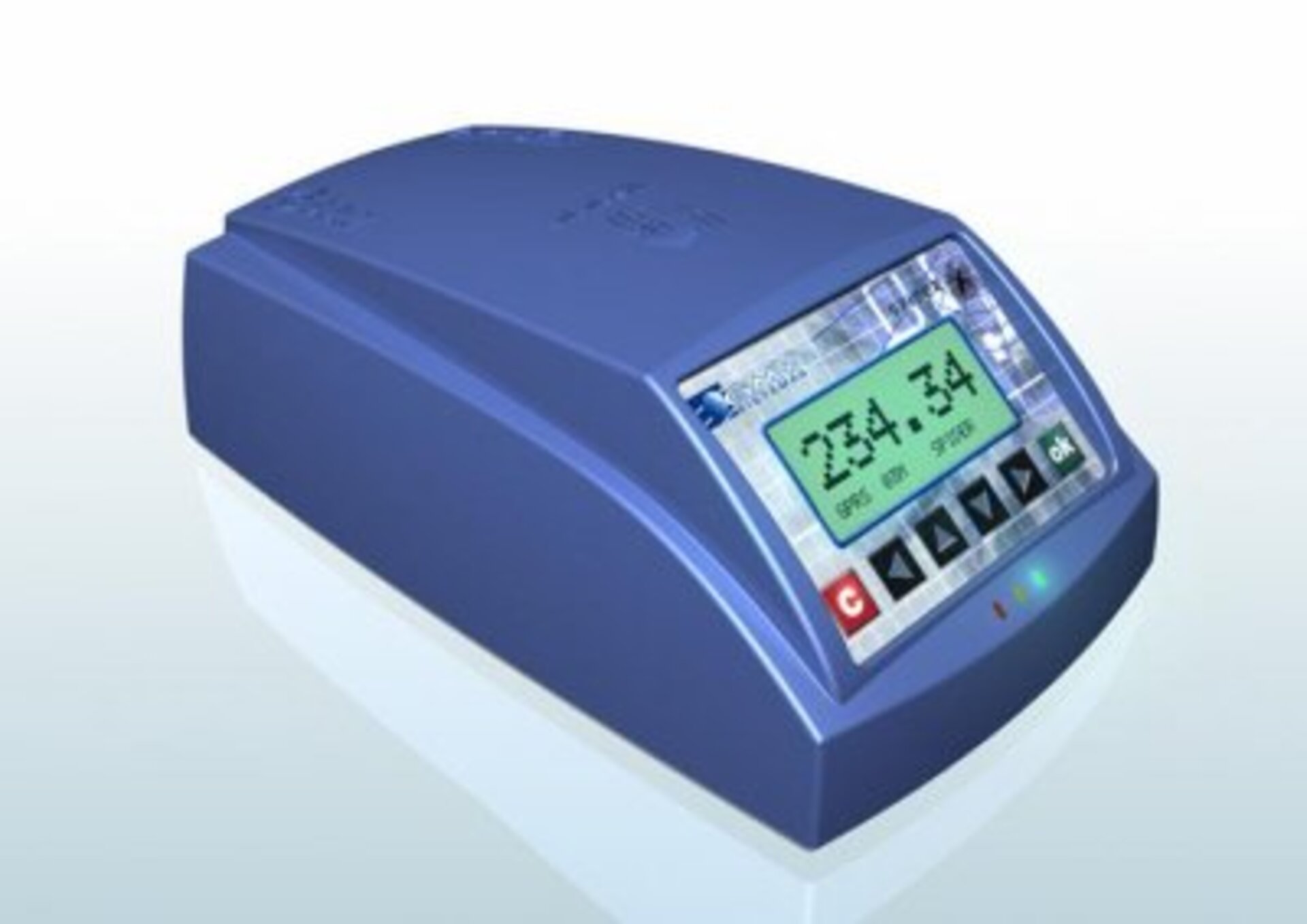
    ShPIDER - a SISNeT-powered EGNOS receiver
    ShPIDER - a SISNeT-powered EGNOS receiver

    Due to the low elevation of the EGNOS satellites, their signal is difficult or sometimes impossible to receive in certain regions. Many present and also future applications require a high accuracy and also a high reliability of the position determination, which can easily be performed by the European Geostationary Navigation Overlay Service (EGNOS). If the EGNOS signal cannot be received, the requirements of those applications can no longer be satisfied.

    To reduce this problem EGNOS Terrestrial Regional Augmentation Networks (EGNOS TRAN) project team evaluated various technical methods to broadcast the EGNOS signal via terrestrial networks, like GSM/GPRS, Loran-C or Ground Regional Augmentation System (GRAS).

    The EGNOS TRAN Project developed a professional SISNeT-powered EGNOS receiver called ShPIDER. This device integrates a GPS receiver and a GPRS modem, which provides wireless access to Signal-in-Space over the Internet (SISNET). The wireless link also allows remote control, as well as transmission of position and other products to a control centre. A personal digital assitant (PDA) version of that receiver was also developed and demonstrated.

    The EGNOS-TRAN SISNET project was initiated in May 2002 and concluded in May 2003.
    Last update: 8 February 2006

    Rate this

    Views

    Share

    • Currently 0 out of 5 Stars.
    • 1
    • 2
    • 3
    • 4
    • 5
    Rating: 0/5 (0 votes cast)

    Thank you for rating!

    You have already rated this page, you can only rate it once!

    Your rating has been changed, thanks for rating!

    17
    Tweet
    • Related articles
      • Signal-in-Space through the Internet
        • Signal-In-Space through Internet (SISNeT) - a 'most original project' from ESA
          • Toulouse bus test-drives European satellite navigation
          • GPS World news - Position via Internet
          • Related links
          • SISNeT
          • Telespazio - EGNOS TRAN
          • Documentation
          • Final presentation (.pdf 1.5 Mb)

    Connect with us

    • RSS
    • Youtube
    • Twitter
    • Flickr
    • G+
    • Facebook
    • Livestream
    • Subscribe
    • App Store
    • LATEST ARTICLES
    • · Rare merger reveals secrets of gal…
    • · Watching for hazards: ESA opens as…
    • · ESA astronaut Timothy Peake set fo…
    • · Space drives e-mobility
    • · Proba-V opens its eyes
    • FAQ

    • Jobs at ESA

    • Site Map

    • Contacts

    • Terms and conditions