Mission accomplished for Galileo's pathfinder GIOVE-A
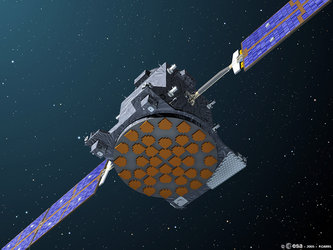
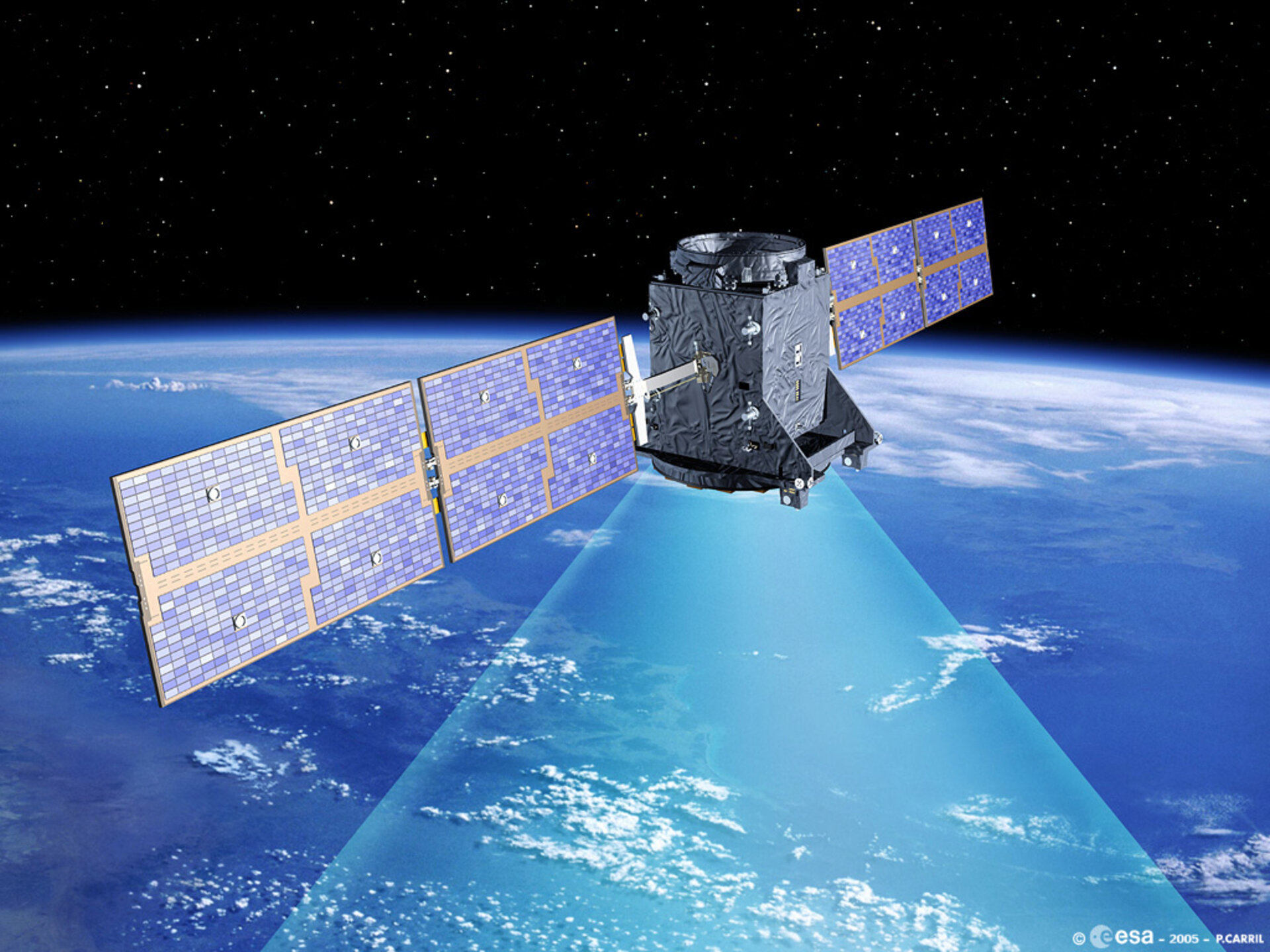
With the initial satellites of the Galileo constellation working well in orbit, it has been decided to end the mission of ESA’s pioneering GIOVE-A navigation satellite.
Launched on 28 December 2005, this first experimental satellite performed the vital task of securing the radio frequencies provisionally set aside for Galileo by the International Telecommunications Union.
It also flight-tested Galileo atomic clocks and other equipment in space for the very first time and investigated the radiation environment of medium-altitude orbits, never used before by a European mission.
ESA formally ended GIOVE-A’s mission at the end of June, although it will go on being operated for now by prime contractor Surrey Satellite Technology Ltd of Guildford, UK, to gather radiation data and performance results from a GPS receiver.
“GIOVE-A had a design life of only 27 months, so to continue operating for 78 months is impressive,” said Valter Alpe, managing GIOVE activities for ESA.
“In August 2009, the satellite was moved into a graveyard orbit around 100 km above its normal 23 222 km to make way for the Galileo validation satellites.
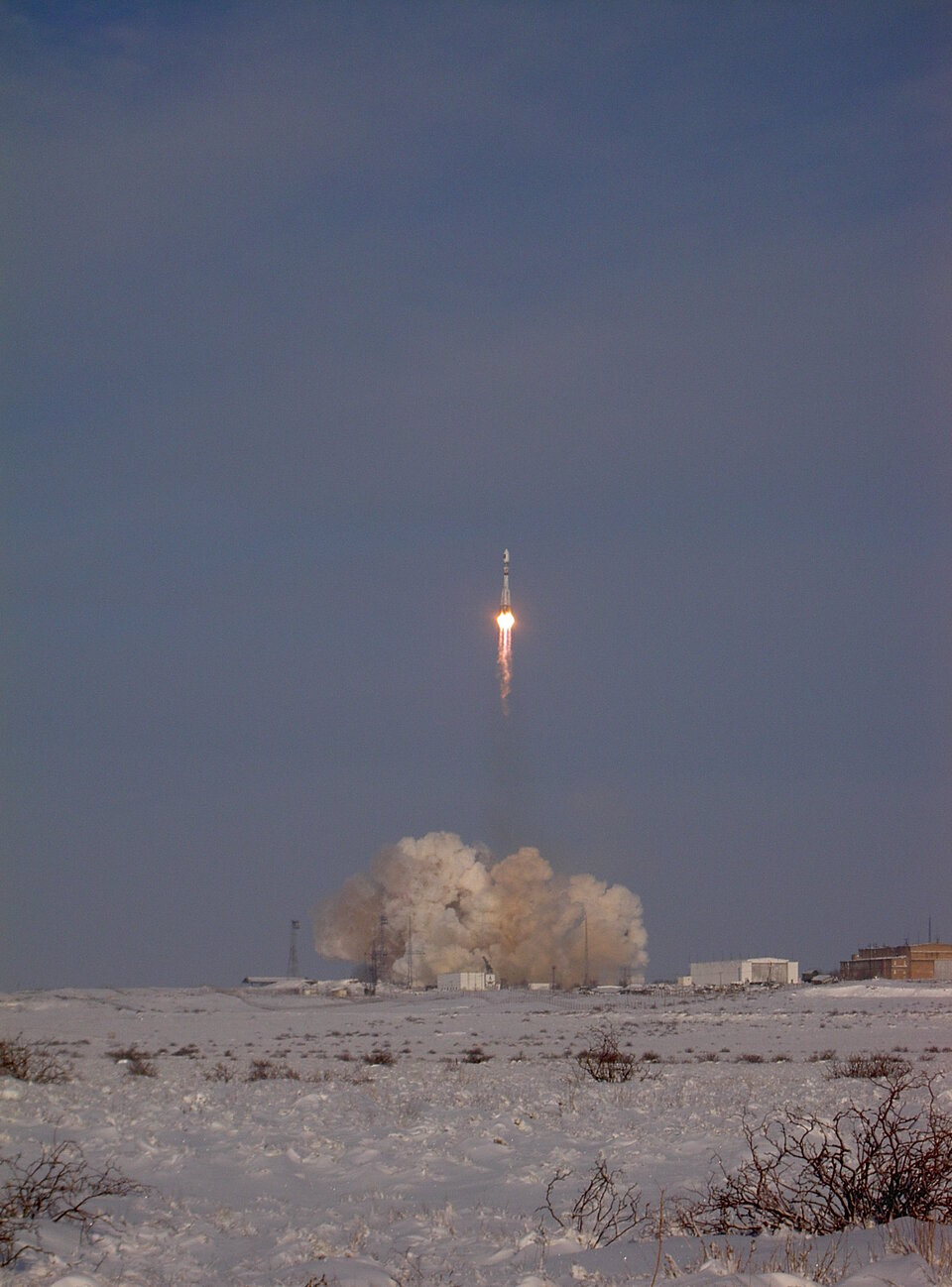
“The first two of these were launched on 21 October 2011 and are performing well, so while GIOVE-A has served ESA well it no longer has a job to do.”
Built to a tight deadline by SSTL, GIOVE-A carries a rubidium atomic clock accurate to three seconds in a million years.
On 27 April 2008 it was joined by GIOVE-B, built by an Astrium-led consortium, which carries an even more accurate passive hydrogen maser clock – the first to be flown in space for navigation, accurate to one second in three million years – as well as a second rubidium clock. Operational Galileo satellites carry two pairs of both kinds of clock, for redundancy.
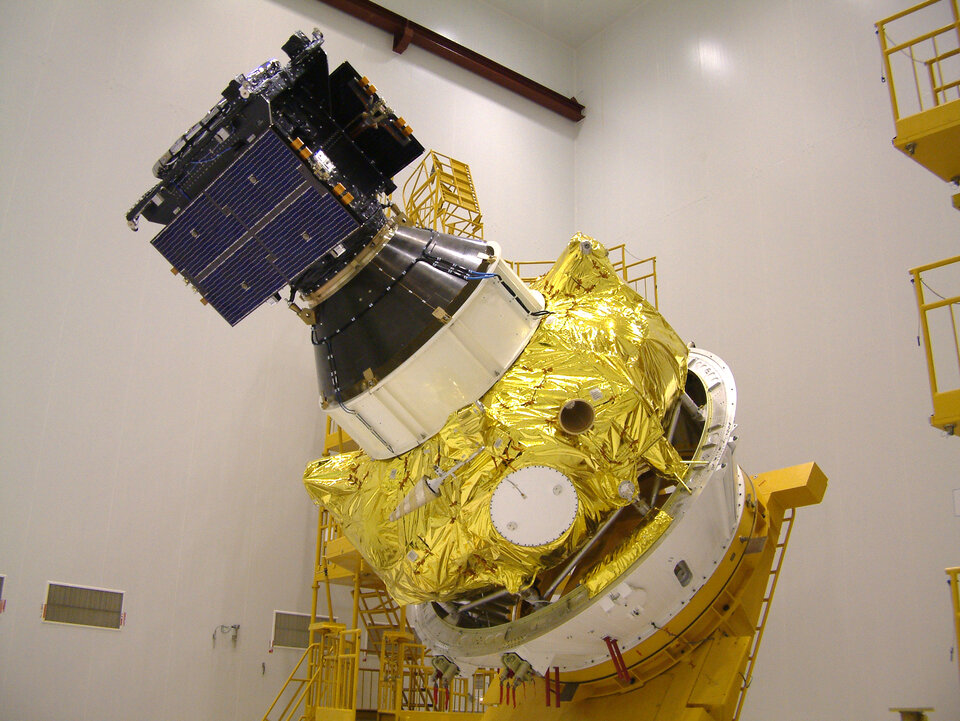
They are very different missions in other ways too. The GIOVEs were modified from existing satellite platforms: a prototype geostationary minisatellite for GIOVE-A, and a commercial French Proteus platform typically used for Earth observation for GIOVE-B.
Galileo satellites are based on an entirely new platform and improved payload, specifically engineered for extremely high reliability, only intended to go into safe mode for a few days over their planned 12 years of operation thanks to a robust design based on reconfigurable redundancy.
Even when entering ‘intermediate safe mode’ they can continue to supply navigation signals, although without the usual service guarantee.
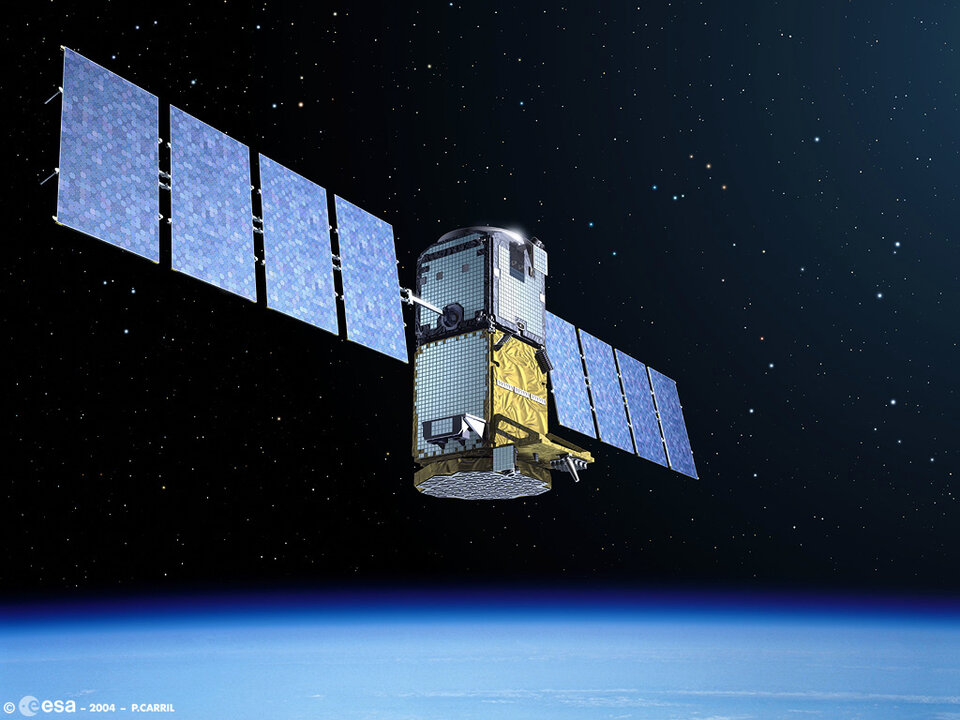
GIOVE-B, with an orbital lifetime of 50 months and counting, will be used in payload fine calibration tests this summer with the two Galileo satellites.
Then, in September, it will be manoeuvred into a graveyard orbit 300 km higher. At this point, GIOVE-B’s own mission will end.
“Early October will see the launch of the next two Galileo satellites by Soyuz rocket from Europe’s Spaceport in French Guiana,” added Valter.
“This will be an important step forward because four satellites are the minimum to perform navigation measurements, so Galileo system testing can proceed.”
A follow-up batch of full operational capability Galileo satellites is being built by Germany’s OHB and SSTL, with initial Galileo services forecast to be available by 2014.