• → European Space Agency

      • Space for Europe
      • Space News
      • Space in Images
      • Space in Videos
    • About Us

      • Welcome to ESA
      • DG's News and Views
      • For Member State Delegations
      • Business with ESA
      • ESA Exhibitions
      • ESA Publications
      • Careers at ESA
    • Our Activities

      • Space News
      • Observing the Earth
      • Human Spaceflight
      • Launchers
      • Navigation
      • Space Science
      • Space Engineering
      • Operations
      • Technology
      • Telecommunications & Integrated Applications
    • For Public

    • For Media

    • For Educators

    • For Kids

    • ESA

    • Navigation

    • EGNOS

    • Galileo

    • Evolution

    • About satellite navigation
    • Europe's satellite navigation services
    • Resources
    • Development Facilities
    • Navipedia
    • Multimedia
    • Galileo's In-Orbit Validation phase - 2012 video
    • Galileo - Europe leads the way 3D video
    • Image gallery
    • Video gallery
    • Documents
    • Galileo factsheet (PDF)
    • Galileo IOV factsheet (PDF)
    • Galileo FOC factsheet (PDF)
    • GNSS Evolution factsheet (PDF)
    • Galileo IOV brochure (PDF)
    • Galileo IOV brochures in French and German (PDF)
    • Archives
    • News archive
    • Navigation projects
    • Services
    • Subscribe

    ESA > Our Activities > Navigation

    Satellite navigation today

    GPS

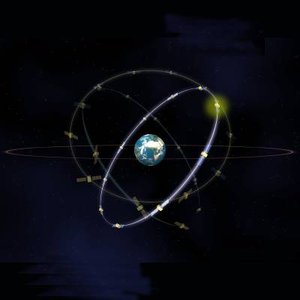
    There are two satellite navigation systems already available. The specifications of these two systems are given below.

    GPS – United States

    GPS - United States

    • a standard constellation of 24 satellites
    • civil use allowed
    • free of charge for the foreseeable future
    • 20 m horizontal accuracy 95% of time with selective availability off (16 M horizontal accuracy for military applications)

    GLONASS – Russia
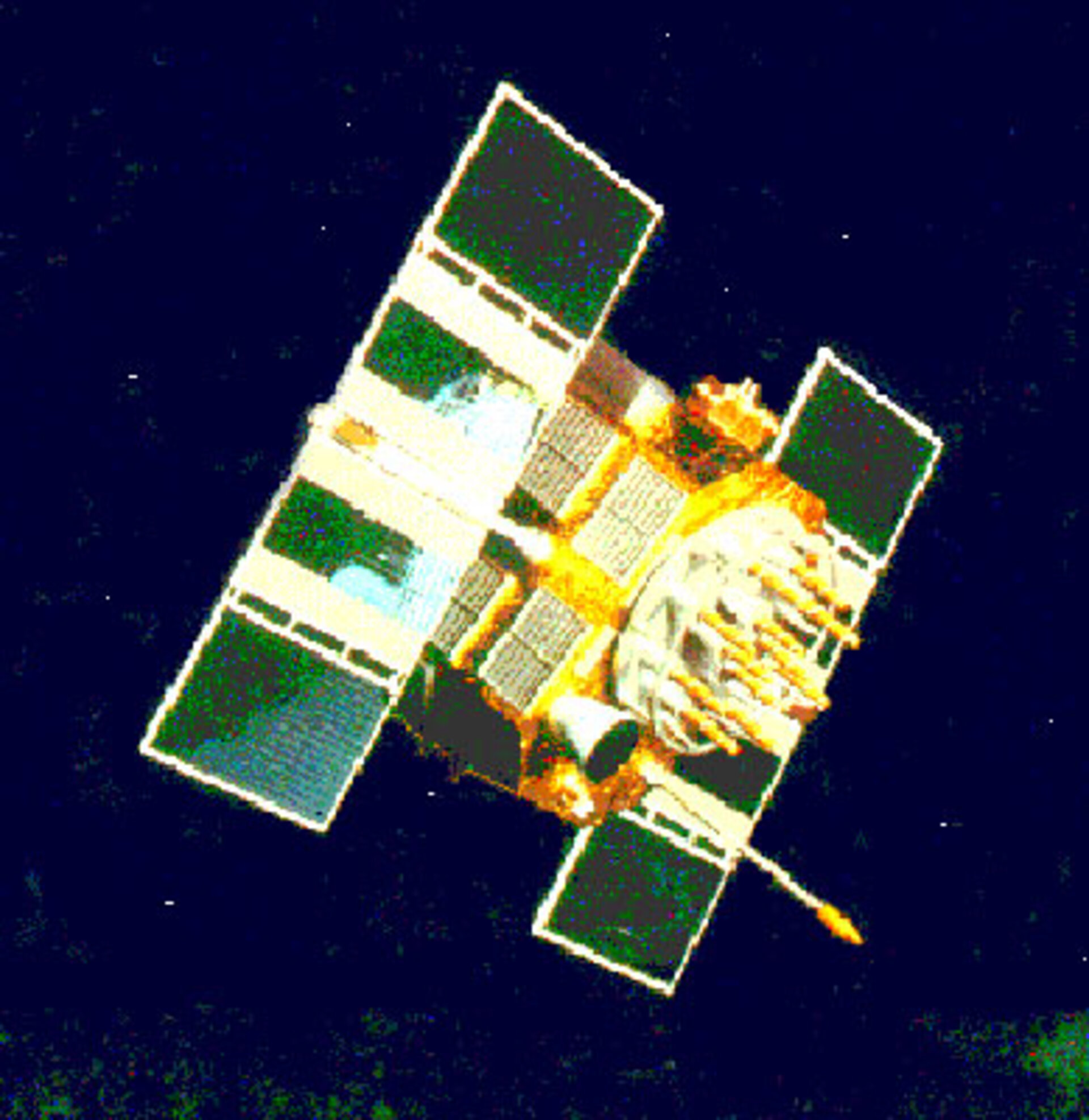
    Glonass
    • when fully operational a constellation of 24 satellites
    • civil use allowed
    • free of charge for the foreseeable future
    • 60 m horizontal accuracy 99.7% of time

    The American GPS and Russian GLONASS satellite constellations were originally designed for military purposes in order to provide military forces with extremely accurate positioning information.

    The current capabilities of GPS and GLONASS, although very adequate for some user communities, present some shortfalls. First, the lack of civil international control presents a serious problem from the institutional point of view. Second, GPS or GLONASS cannot meet all civil aviation requirements for precision and non-precision approach phases of flight. In addition, marine and land users will also require some sort of augmentation for improving GPS / GLONASS performances.

    The first generation Global Navigation Satellite System (GNSS-1), as defined by the experts of the ICAO/GNSS panel, plans for some system augmentations in addition to the basic GPS and GLONASS constellations in order to achieve the level of performance suitable for civil aviation applications.
    Last update: 9 November 2001

    Rate this

    Views

    Share

    • Currently 0 out of 5 Stars.
    • 1
    • 2
    • 3
    • 4
    • 5
    Rating: 0/5 (0 votes cast)

    Thank you for rating!

    You have already rated this page, you can only rate it once!

    Your rating has been changed, thanks for rating!

    37
    Tweet
    • Related news
      • Galileo development forges ahead pending ministerial decisions
        • ESTB used to guide aircraft at Nice airport
          • 2nd ESTB workshop to meet in Nice
          • More about...
            • How existing satellite navigation systems work
              • Limitations of existing systems
                • Meeting users' requirements
                  • What is EGNOS?
                    • How does EGNOS work?
                    • EGNOS resources

    Connect with us

    • RSS
    • Youtube
    • Twitter
    • Flickr
    • G+
    • Facebook
    • Livestream
    • Subscribe
    • App Store
    • LATEST ARTICLES
    • · ESA astronaut Timothy Peake set fo…
    • · Space drives e-mobility
    • · Proba-V opens its eyes
    • · First new Galileo satellite arrive…
    • · Next destination: space
    • FAQ

    • Jobs at ESA

    • Site Map

    • Contacts

    • Terms and conditions