• → European Space Agency

      • Space for Europe
      • Space News
      • Space in Images
      • Space in Videos
    • About Us

      • Welcome to ESA
      • DG's News and Views
      • For Member State Delegations
      • Business with ESA
      • ESA Exhibitions
      • ESA Publications
      • Careers at ESA
    • Our Activities

      • Space News
      • Observing the Earth
      • Human Spaceflight
      • Launchers
      • Navigation
      • Space Science
      • Space Engineering
      • Operations
      • Technology
      • Telecommunications & Integrated Applications
    • For Public

    • For Media

    • For Educators

    • For Kids

    • ESA

    • Navigation

    • EGNOS

    • Galileo

    • Evolution

    • About Galileo
    • Why Europe needs Galileo
    • Who's involved in Galileo?
    • Galileo technology developments
    • Galileo : a constellation of 30 navigation satellites
    • Documentation
    • Galileo's In-Orbit Validation phase - 2012 video
    • Open service signal - specifications
    • Galileo factsheet (PDF)
    • Galileo IOV factsheet (PDF)
    • Galileo FOC factsheet (PDF)
    • Technology developments archive
    • GSTB-V1 Technology Developments
    • Galileo technology developments
    • Subscription
    • Subscribe

    ESA > Our Activities > Navigation > The future - Galileo

    Why Europe needs Galileo

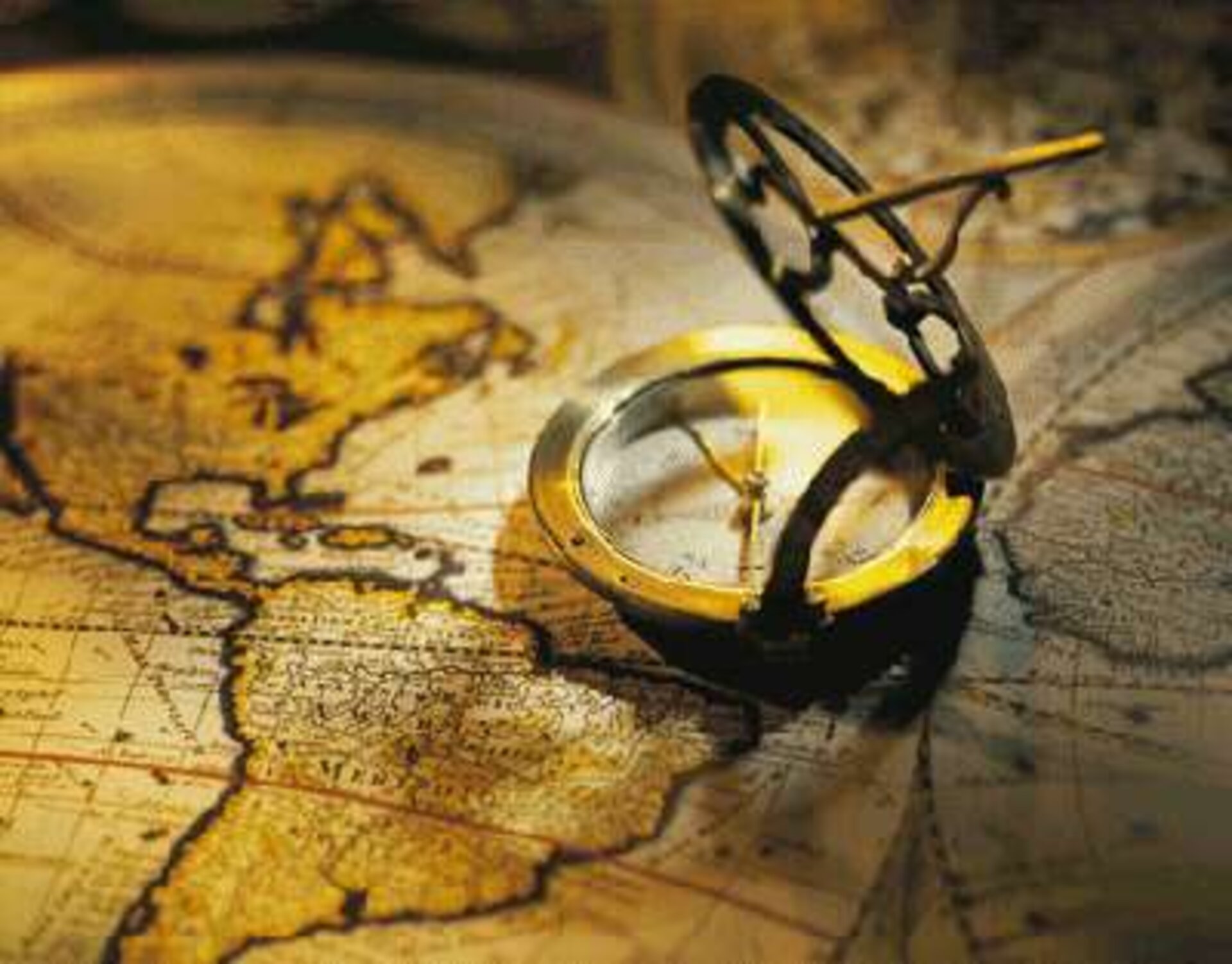
    Galileo - map and compass
    Galileo

    The European Commission (EC) estimates that 6-7% of European GDP – around 800 billion by value – is already dependent on satellite navigation. But European users have no alternative today other than to take their positions from US GPS or Russian Glonass satellites.

    Satellite positioning has already become the standard way of navigating. If the signals were switched off tomorrow, many ship and aircraft crews would find it inconvenient and difficult to revert to traditional navigation methods.

    Many utility networks are also more and more dependant on the precise time synchronisation provided by the satellite navigation systems. As the use of satellite navigation spreads, the implications of a signal failure will be even greater, jeopardising not only the efficient running of transport systems, but also human safety.
     
    As far back as the 1990s, the European Union saw the need for Europe to have its own global satellite navigation system. The conclusion to build one was taken in similar spirit to decisions in the 1970s to embark on other well-known European endeavours, such as the Ariane launcher and the Airbus.

    The European Commission and European Space Agency joined forces to build Galileo, an independent European system under civilian control.
     
    European independence is the chief reason for taking this major step. However, other subsidiary reasons include:

    • By being inter-operable with GPS and Glonass, Galileo will be a cornerstone of global satellite navigation. The system will be under civilian control and its coming online will allow positions to be determined accurately for most places on Earth, even in high rise cities where buildings obscure signals from satellites low on the horizon. This is because the overall number of satellites available from which to take a position is more than doubled
    • By placing satellites in orbits at a greater inclination to the equatorial plane than GPS, Galileo will achieve better coverage at high latitudes. This will make it particularly suitable for operation over northern Europe, an area not well covered by GPS
    • With Galileo, Europe will be able to exploit the opportunities provided by satellite navigation to the full extent. Receiver and equipment manufacturers, application providers and service operators will benefit from novel business opportunities

    Last update: 31 August 2011

    Rate this

    Views

    Share

    • Currently 5 out of 5 Stars.
    • 1
    • 2
    • 3
    • 4
    • 5
    Rating: 5/5 (1 votes cast)

    Thank you for rating!

    You have already rated this page, you can only rate it once!

    Your rating has been changed, thanks for rating!

    262
    facebook
    twitter
    reddit
    google plus
    digg
    tumbler
    digg
    blogger
    myspace
    • Related links
    • Galileo website (European Commission)
    • CENC
    • Glonass
    • US Naval Observatory GPS operations

    Connect with us

    • RSS
    • Youtube
    • Twitter
    • Flickr
    • Google Buzz
    • Subscribe
    • App Store
    • LATEST ARTICLES
    • · CryoSat hits land
    • · Ariane 5 completes seven launches …
    • · Measuring skull pressure without t…
    • · Malargüe station inauguration
    • · The solar wind is swirly
    • FAQ

    • Jobs at ESA

    • Site Map

    • Contacts

    • Terms and conditions
