• → European Space Agency

      • Space for Europe
      • Space News
      • Space in Images
      • Space in Videos
    • About Us

      • Welcome to ESA
      • DG's News and Views
      • For Member State Delegations
      • Business with ESA
      • ESA Exhibitions
      • ESA Publications
      • Careers at ESA
    • Our Activities

      • Space News
      • Observing the Earth
      • Human Spaceflight
      • Launchers
      • Navigation
      • Space Science
      • Space Engineering
      • Operations
      • Technology
      • Telecommunications & Integrated Applications
    • For Public

    • For Media

    • For Educators

    • For Kids

    • ESA

    • CryoSat

    • Observing the Earth

    • Living Planet

    • CryoSat at a glance
    • An Earth Explorer
    • CryoSat: an icy mission
    • Earth’s changing ice
    • Facts and figures
    • About the satellite

      • Platform
      • Instruments
    • About the launch

      • Launch site
      • Launcher
      • After launch
    • Meet the team

      • Richard Francis - Project Manager
      • Tommaso Parrinello - Mission Manager
      • Duncan Wingham, Lead Investigator
      • Klaus Köble, EADS Astrium Project Manager
      • Mark Drinkwater, Mission Scientist
      • Bill Simpson, Launch Campaign Manager
      • Nic Mardle, Spacecraft Operations Manager
      • Laurent Rey, Thales Alenia Space SIRAL Project Manager
      • Malcolm Davidson, Validation Manager
    • Multimedia
    • Image Gallery
    • Videos
    • Online documents

    ESA > Our Activities > Observing the Earth > CryoSat

    An Earth Explorer

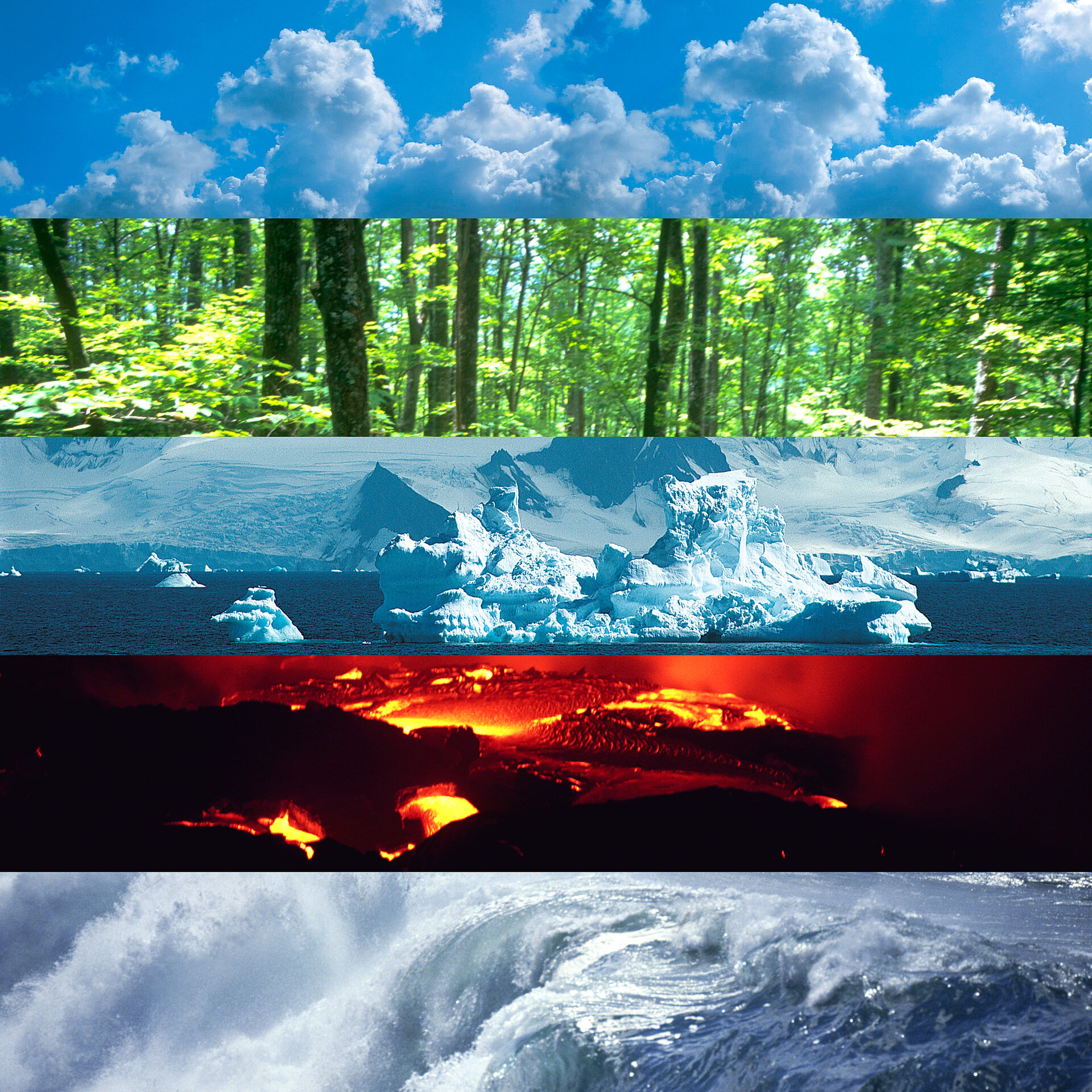
    Earth Explorers are a series of Earth observation missions that focus on the science and research elements of ESA’s Living Planet Programme. Developed in direct response to issues identified by the scientific community, they aim to improve our understanding of how the Earth system works and how human activity is affecting natural Earth processes.

    Earth Explorers are also designed to demonstrate breakthrough technology in remote sensing techniques and, together with the scientific questions addressed, form the basis for the development of new applications for Earth observation data.

    CryoSat was the first Earth Explorer mission to be selected in 1999, but the original satellite was lost due to a launch failure in October 2005. Following the loss, the mission was judged to be even more important than when it was first selected for development, and the decision to rebuild was taken.

    Almost exactly four years to the day after that decision, the new CryoSat-2, with a number of improvements, was ready for launch.

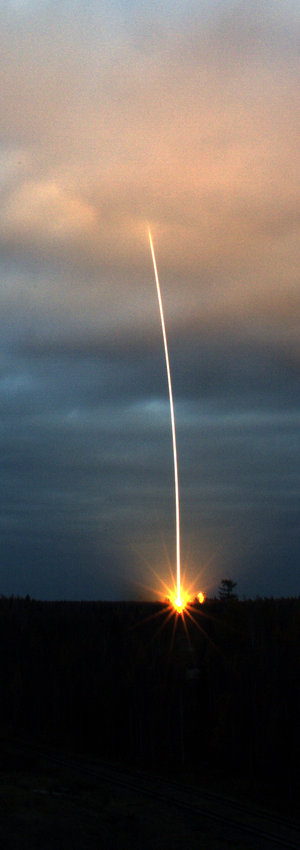
    Two other Earth Explorers also launched recently: GOCE, ESA’s gravity mission was launched in March 2009, and SMOS, ESA’s water mission was launched in November 2009. CryoSat-2 was launched on 8 April 2010.
    Rate this

    Views

    Share

    • Currently 3 out of 5 Stars.
    • 1
    • 2
    • 3
    • 4
    • 5
    Rating: 3/5 (1 votes cast)

    Thank you for rating!

    You have already rated this page, you can only rate it once!

    Your rating has been changed, thanks for rating!

    57
    facebook
    twitter
    reddit
    google plus
    digg
    tumbler
    digg
    blogger
    myspace
    • First CryoSat mission
      • CryoSat Mission lost due to launch failure
        • Interview with Volker Liebig on the loss of CryoSat
        • Launch diary
        • In depth
          • Earth Explorers overview
          • Living Planet
          • SMOS in orbit
            SMOS in orbit
            SMOS launch
          • GOCE launch
          • ESA on Youtube
          • Earth Explorers

    Connect with us

    • RSS
    • Youtube
    • Twitter
    • Flickr
    • Google Buzz
    • Subscribe
    • App Store
    • LATEST ARTICLES
    • · CryoSat hits land
    • · Ariane 5 completes seven launches …
    • · Measuring skull pressure without t…
    • · Malargüe station inauguration
    • · The solar wind is swirly
    • FAQ

    • Jobs at ESA

    • Site Map

    • Contacts

    • Terms and conditions