• → European Space Agency

      • Space for Europe
      • Space News
      • Space in Images
      • Space in Videos
    • About Us

      • Welcome to ESA
      • DG's News and Views
      • For Member State Delegations
      • Business with ESA
      • ESA Exhibitions
      • ESA Publications
      • Careers at ESA
    • Our Activities

      • Space News
      • Observing the Earth
      • Human Spaceflight
      • Launchers
      • Navigation
      • Space Science
      • Space Engineering
      • Operations
      • Technology
      • Telecommunications & Integrated Applications
    • For Public

    • For Media

    • For Educators

    • For Kids

    • ESA

    • Observing the Earth

    • Understanding Our Planet

    • Securing Our Environment

    • Benefiting Our Economy

    • About Observing the Earth
    • How does Earth Observation work?
    • How to get Earth observation data
    • Integrating Earth Observation in your job
    • Earth Observation users speak
    • EO programmes
    • The Living Planet
    • GMES
    • ESA's Earth Observing missions
    • Envisat overview
    • ERS overview
    • Earth Explorers overview
    • Sentinels overview
    • MSG overview
    • MetOp overview
    • Proba-1 overview
    • Third Party Missions overview
    • Opportunities with us

      • Education & training
      • International cooperation
      • Milestones & announcements
    • Multimedia

      • Image Gallery
      • Video Gallery
      • Online resources
      • RSS feeds
    • Services
    • Subscribe

    ESA > Our Activities > Observing the Earth

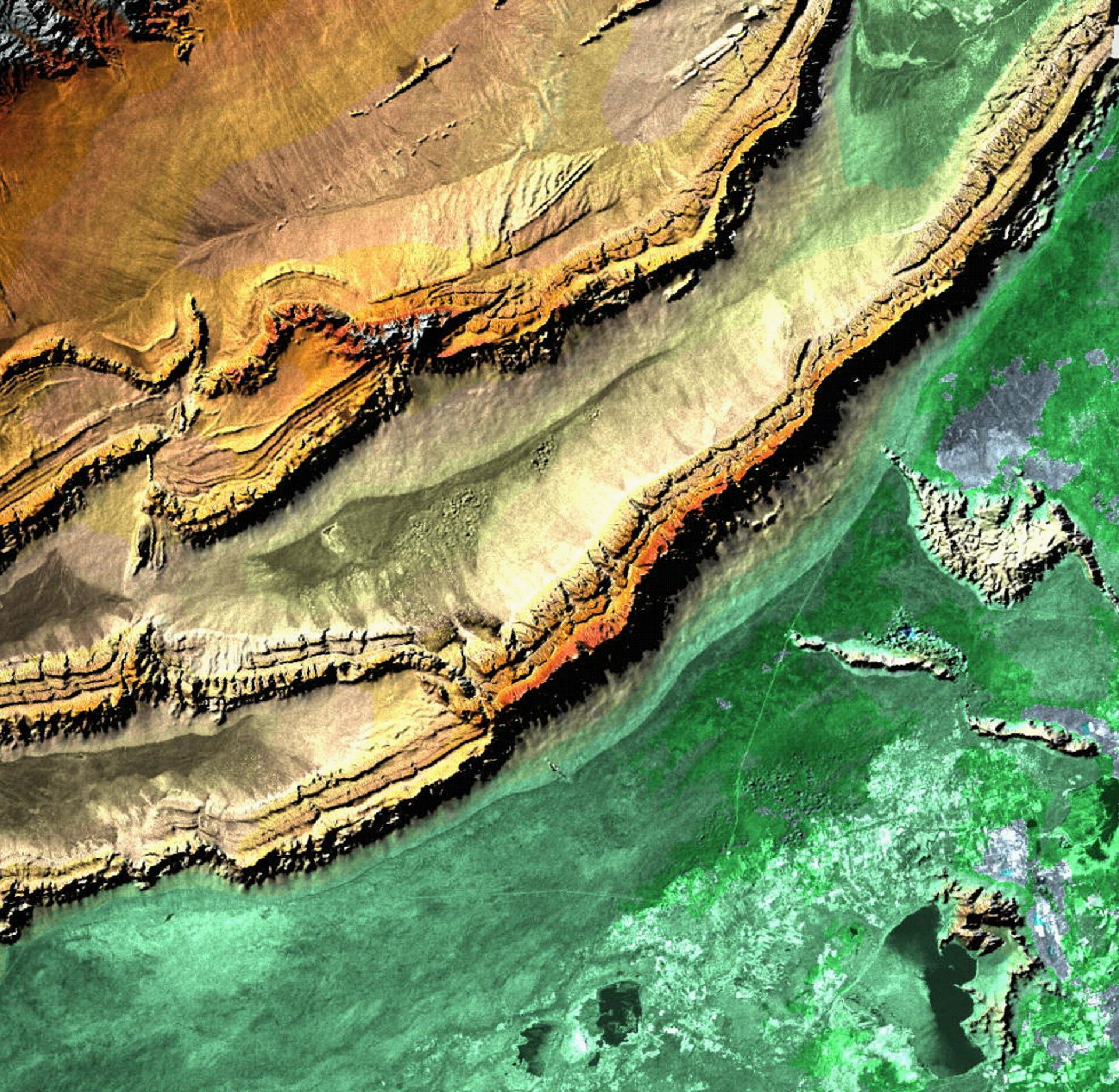
    Earth from Space: Bachu elevations

    23 September 2011

    This week, we take a look at the varied elevations of Bachu in western China in an image developed using data from the two ERS satellites.

    The ERS missions pioneered the technique of processing satellite radar data into digital elevation models, as shown here of Bachu and the nearby Tian Shan mountains. A digital elevation model is a 3D relief map to study changes in the terrain.

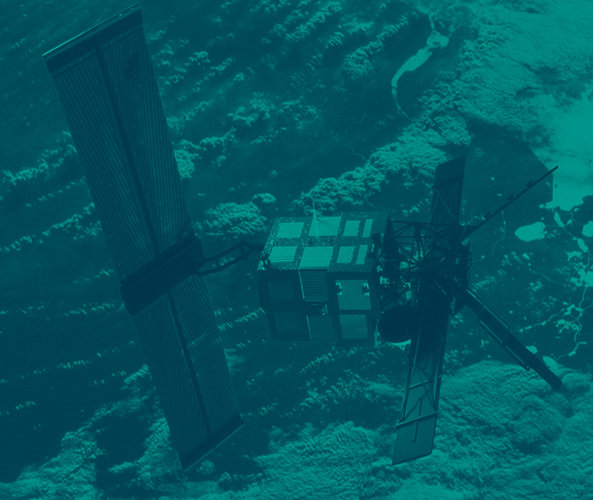
    ERS-1 and ERS-2, launched in July 1991 and April 1995, respectively, were ESA's first Earth observation satellites, each carrying a comprehensive payload including an imaging synthetic aperture radar, a radar altimeter and other powerful instruments to measure ocean surface temperature and winds at sea. ERS-2 also carried a sensor for atmospheric ozone research.

    Following the launch of ERS-2, ESA linked the two satellites in the first-ever 'tandem' mission for nine months.

    During this time, the same area on the ground could be viewed from two different angles within a short period of time as both satellites orbited only 24 hours apart. This increased frequency and amount of data offered scientists a unique opportunity to observe changes in landscapes.

    The tandem mission introduced new techniques for mapping vast areas of Earth in 3D, and paved the way for future tandem operations such as those involving ERS-2 and Envisat.

    Rate this

    Views

    Share

    • Currently 0 out of 5 Stars.
    • 1
    • 2
    • 3
    • 4
    • 5
    Rating: 0/5 (0 votes cast)

    Thank you for rating!

    You have already rated this page, you can only rate it once!

    Your rating has been changed, thanks for rating!

    13
    facebook
    twitter
    reddit
    google plus
    digg
    tumbler
    digg
    blogger
    myspace
    • Image of the week archive
    • Satellite Images
      Satellite Images
      Earth images gallery
    • Related missions
    • ERS overview
    • ESA on Youtube
    • Protecting our environment

    Connect with us

    • RSS
    • Youtube
    • Twitter
    • Flickr
    • Google Buzz
    • Subscribe
    • App Store
    • LATEST ARTICLES
    • · CryoSat hits land
    • · Ariane 5 completes seven launches …
    • · Measuring skull pressure without t…
    • · Malargüe station inauguration
    • · The solar wind is swirly
    • FAQ

    • Jobs at ESA

    • Site Map

    • Contacts

    • Terms and conditions