European experts will discuss hot topic of flying spacecraft faster
The chief challenge in trying to make spacecraft fly faster and more efficiently is designing for contact with superfast gases that can become hotter than the surface of the Sun. Next week sees a gathering of European specialists to consider this hot topic.
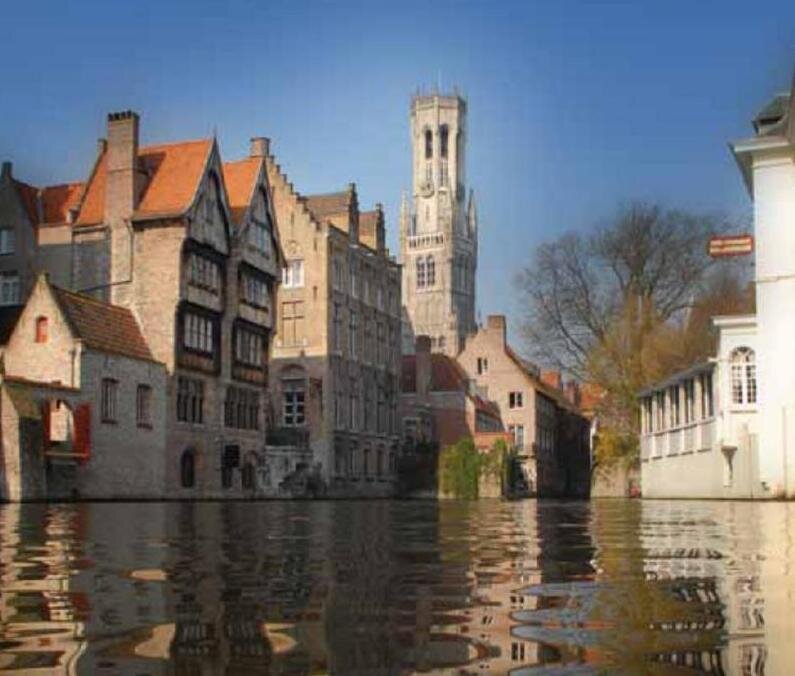
The ‘Seventh European Symposium on Aerothermodynamics for Space Vehicles’ will take place at the Site Oud Sint-Jan centre in the medieval city of Bruges, Belgium over four days from 9 May. It is the latest in a series co-organised by ESA and the Von Karmen Institute for Fluid Dynamics, based in nearby Brussels.
Aerothermodynamics studies the behaviour of gases at very high velocities. In practical terms, it applies to the combustion and motion of superheated gases within rocket engines, as well as the way that fast-moving rockets or space capsules interact with Earth’s or other planetary atmospheres as they pass to or from space.
To attain orbit, spacecraft approach a speed of
Reentering the atmosphere is a still greater challenge, because the spacecraft must safely convert its excess speed to heat through friction with progressively denser air layers, without burning up – termed ‘thermal demise’ – in the process.
“Aerothermodynamics is the key to successful design, development and flight of any space vehicle, and one of the most complex aerospace disciplines,” said Jose Longo, head of ESA’s Aerothermodynamics and Propulsion Analysis Section.
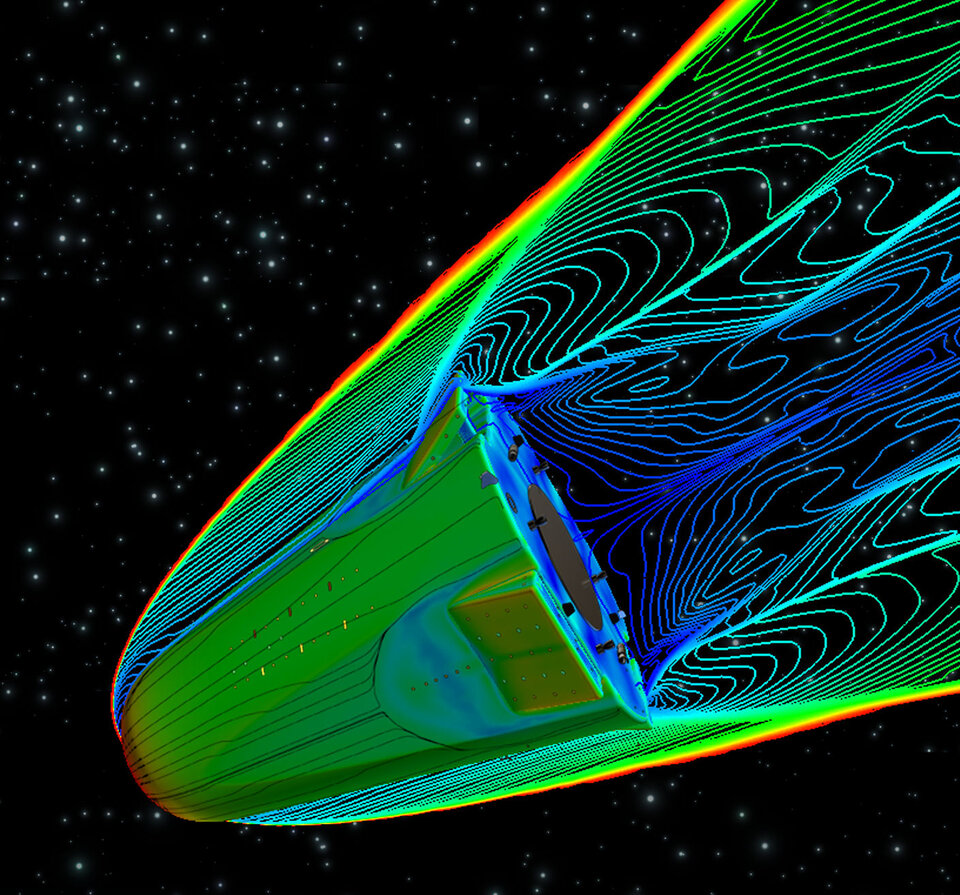
“As a branch of fluid dynamics, aerothermodynamics involves several domains, including physics, chemistry, applied mathematics and computer science. It also provides crucial information to key disciplines such as structures, materials, thermal protection systems, flight dynamics, guidance, navigation, control and propulsion.”
The event will consider aerothermodynamics issues through four main lines:
- Spacecraft and exploration missions: issues such as atmospheric aerobreaking, stability, ablative heatshielding, flight-measurement technique and sensor placement
- Expendable launchers: including propulsion and combustor analysis, flight testing
- Innovative access to space: including suborbital and reusable flights, aero-elastic materials, air-breathing and hybrid engines
- Fundamentals in physical modelling: issues related to aerothermodynamics simulations.
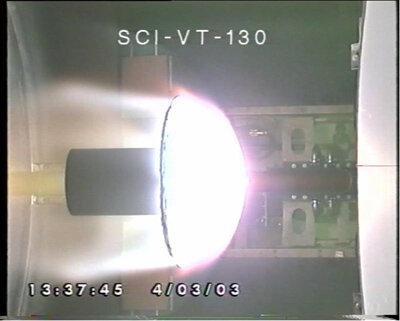
The Symposium includes a series of key lectures on all these lines, as well as a roundtable of invited speakers.
After the four-day event concludes, the Von Karman Insitute is offering a short course on ‘Uncertainty Quantification’ concerning techniques to overcome modelling uncertainties to arrive at results approximating reality.
Aerothermodynamics-related programmes on the rise
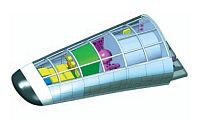
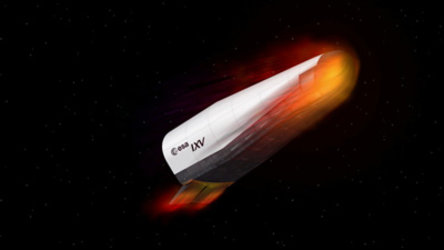
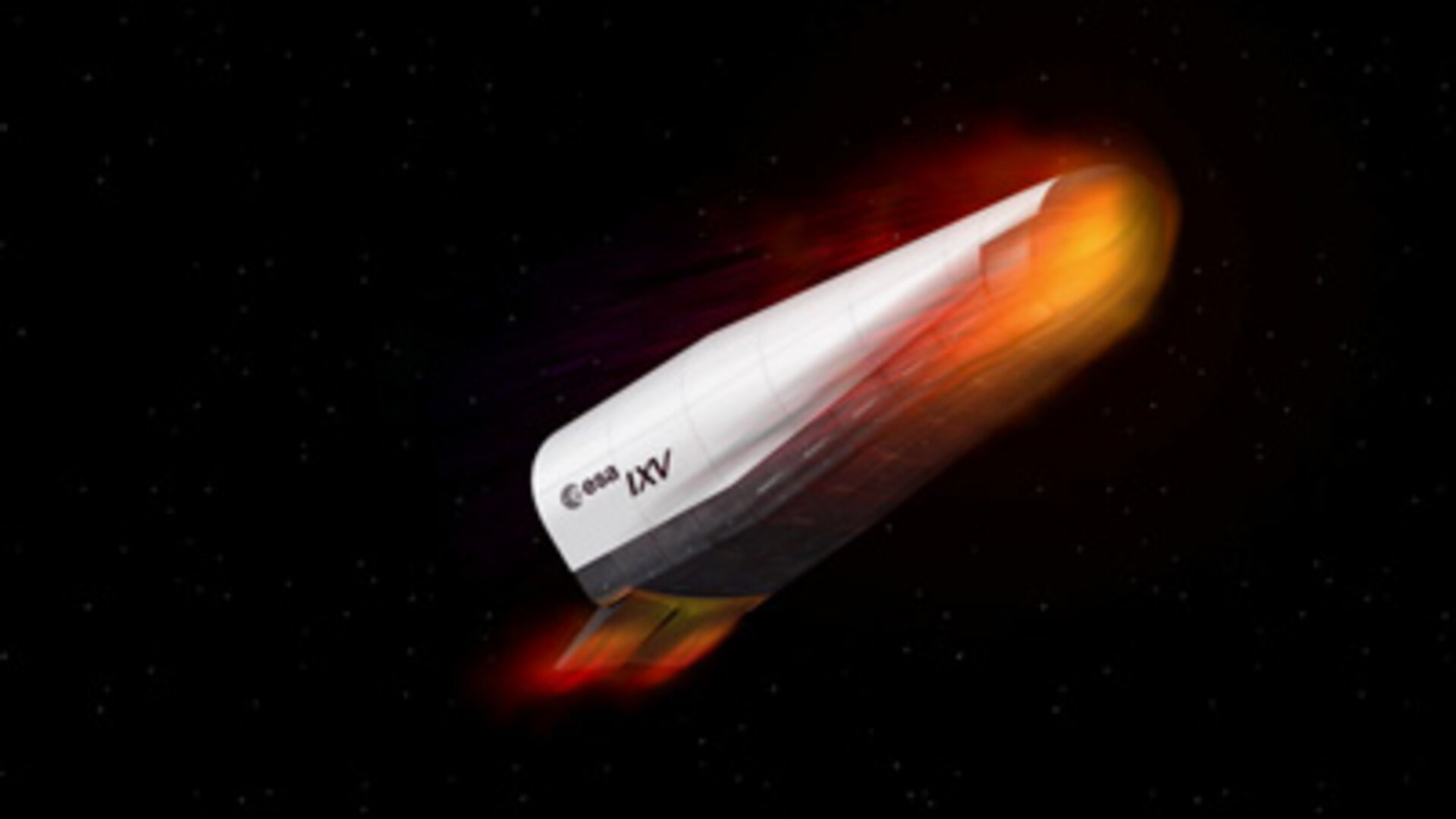
ESA has several programmes focused on aerothermodynamics knowledge. ESA’s Expert (European eXPErimental Reentry Testbed) is a small capsule studded with scientific payloads that will be shot out of the atmosphere later this year to gather test data on reentry. This demonstrator mission will be followed in 2013 by ESA’s IXV (Intermediate eXperimental Vehicle), a larger lifting body designed to validate reentry technologies.
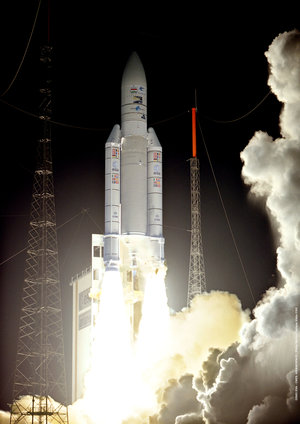
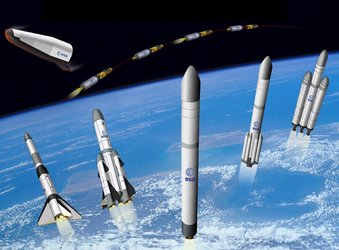
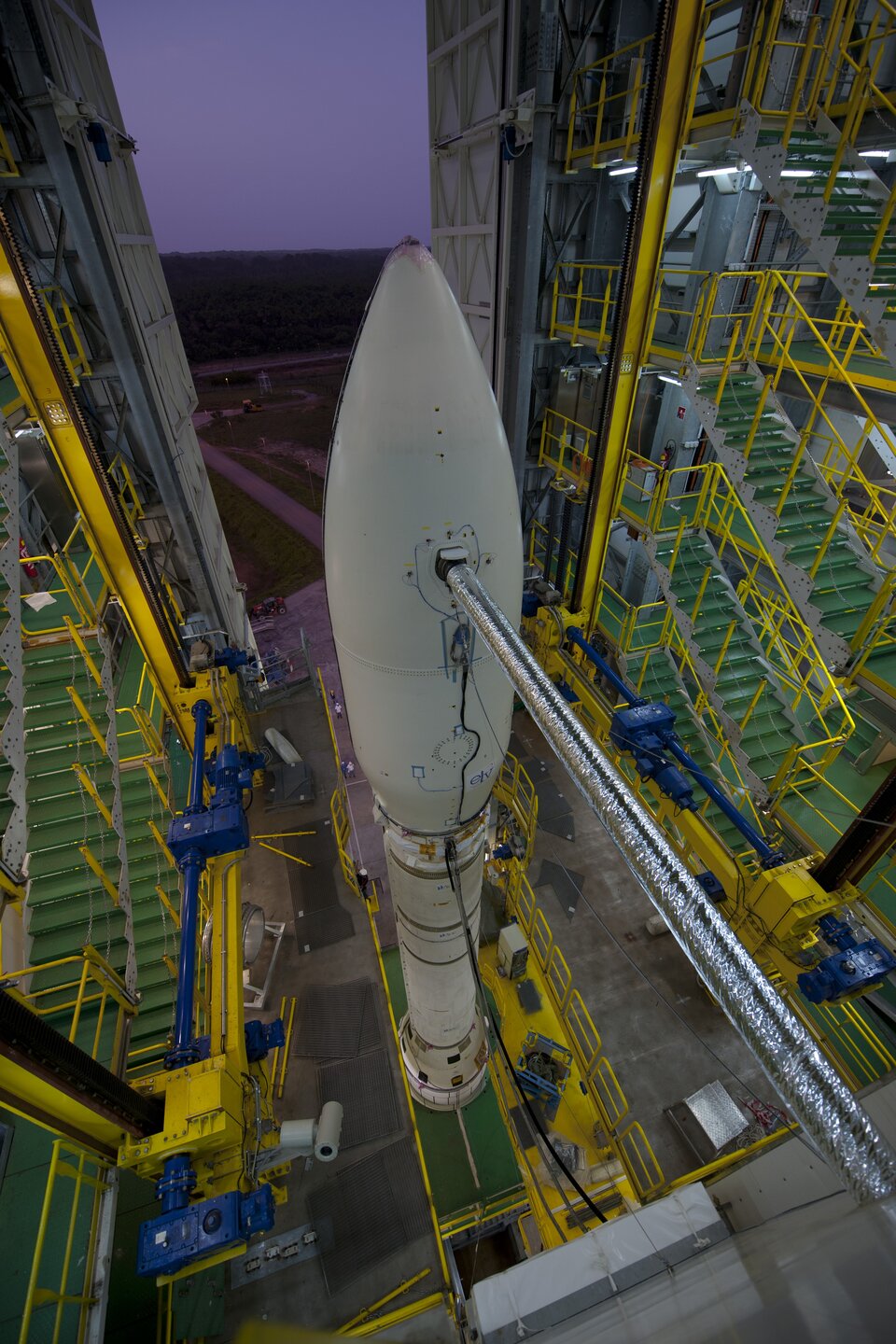
ESA’s new small Vega launcher is flying this year, developed in tandem with the Ariane 5 Evolution programme looking at enhancements to Europe’s workhorse launcher. The Future Launch Preparation Programme is studying a 2020-era replacement for Ariane 5 (of which the IXV is a part).
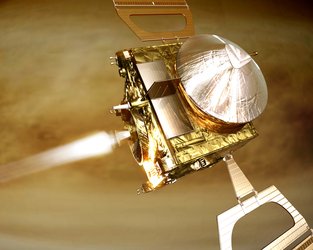
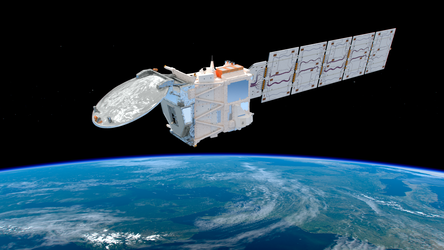
On the satellite side, the GOCE gravity-detector must skim the top of Earth’s atmosphere, while the future EarthCARE mission will fly similarly low to study clouds and aerosols. And ESA’s ExoMars rover has to make it safely through the martian atmosphere before exploring its surface in 2018.
For more information on the Symposium, see the right-hand link.