Vega - facing a corrosive environment
Another type of testing was less dramatic but equally necessary to understand how Vega would cope with its environment in the days, weeks or perhaps months a launcher might wait to be flown.
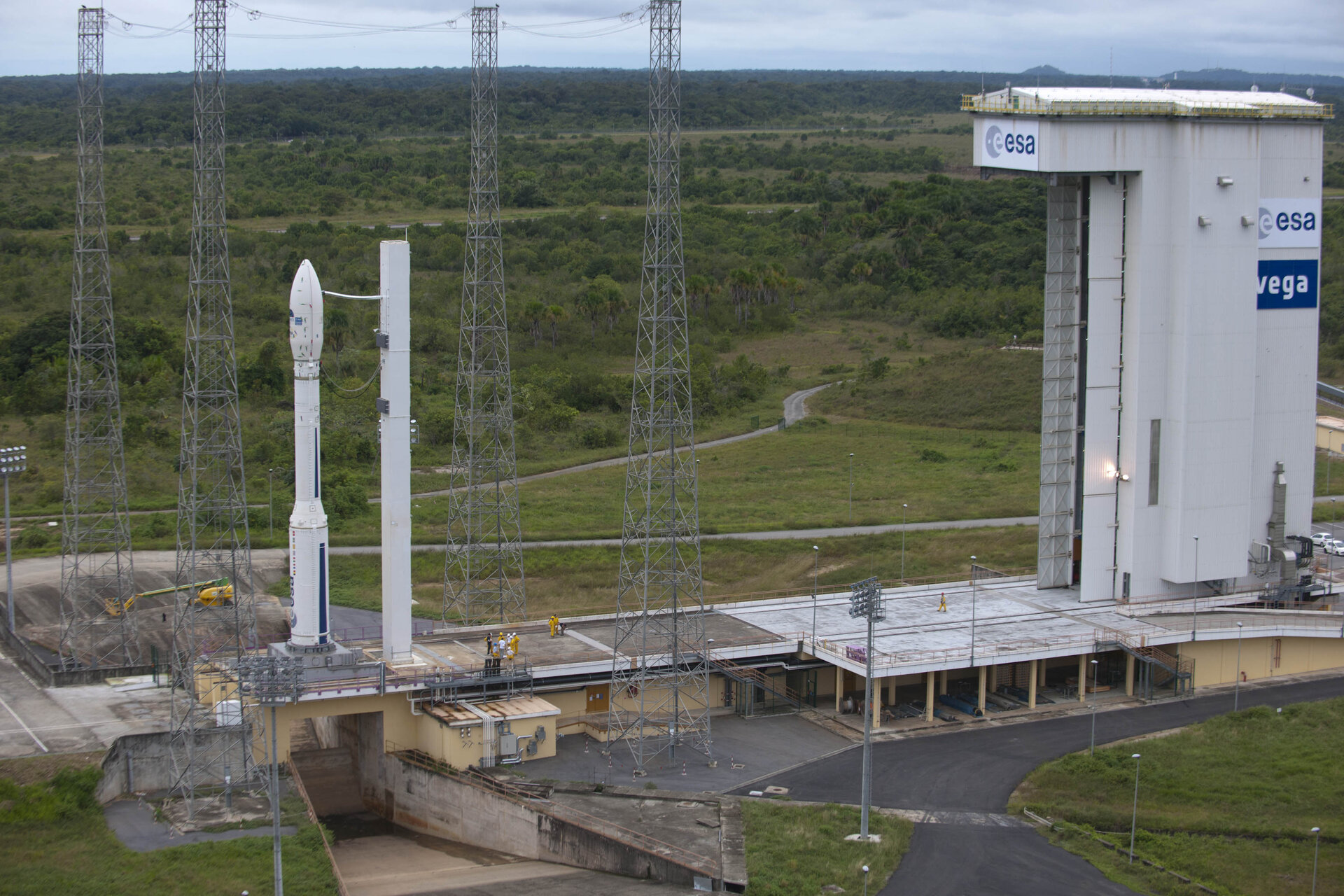
“Vega’s launch site in French Guiana is one of the worst locations you could think of in terms of corrosion,” Tommaso explains.
“It is very warm and humid, with salty sea air, and wind that blows from a single direction so the same section is always getting affected.
“And then there are other launches taking place in the vicinity producing hydrochloric acid in their exhaust with the potential to accelerate corrosion.”
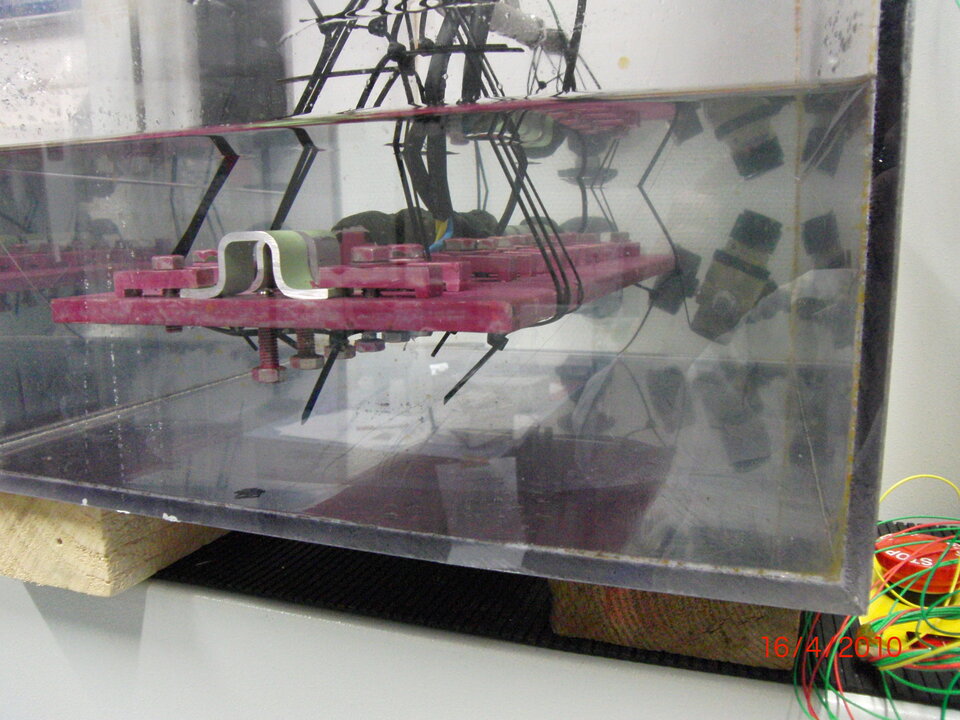
ESA literally wrote the book on many types of corrosion testing, drafting shared standards used throughout Europe’s space industry through an initiative called the European Cooperation for Space Standardization (ECSS).
“We performed various types of standard corrosion and stress corrosion testing,” says Tommaso, the latter needed because the tendency for environment-driven degradation increases markedly when the material is under stress.

“For instance, we performed 'alternate immersion testing' where a sample is placed in salty water for 10 minutes at a time then taken out for 50 minutes, repeatedly for 30 days on end.”
Additional tests roamed further from the lab. For instance, some ‘stringers’ – the structural bones onto which the launcher’s skin is attached – and separation springs in the interstage joining the second and third stages were taken from Vega’s initial qualification model to be put on the same journey Vega itself would make.
“With the stringers we also carried out a shipment test,” Tommaso adds. “This means carrying them in the same container, on the same ship as Vega would be carried in, then have them experience the French Guiana environment.
“This shipment test confirmed directly the structure was fit for purpose.”
Getting the shakes
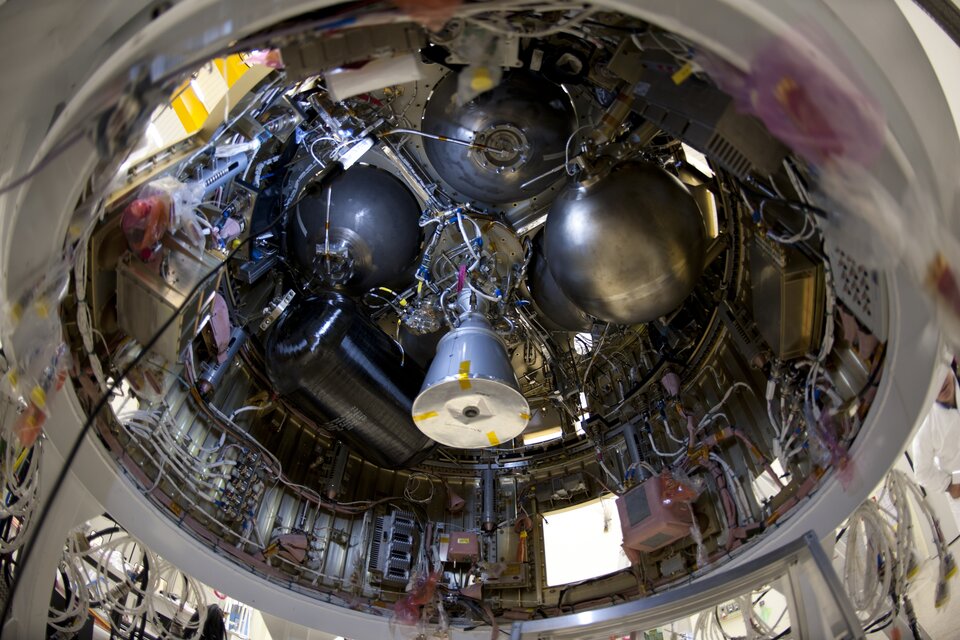
ESTEC’s materials team also contributed to Vega’s topmost stage, the Attitude and Vernier Upper Module (AVUM). This is the smallest of the stages, because it requires much less power to steer the remaining segment of rocket outside Earth’s atmosphere. Unlike the solid stages, its liquid-propellant motor is throttleable and even reignitable in nature.
AVUM also hosts the majority of avionics used to oversee the launcher’s flight, as well as the batteries serving as Vega’s onboard power source.
“In the case of the satellites we normally work with, launcher payloads can expect some degree of dampening from the vibration and shock of launch,” says Tommaso.
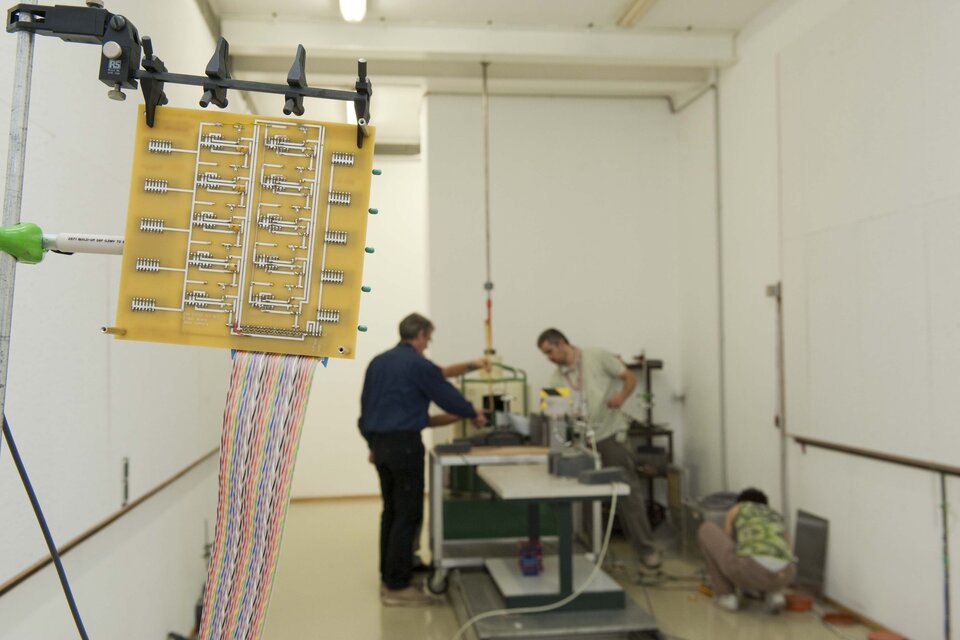
“Obviously that can’t be the case with the actual launcher electronics – they have to endure all the forces put their way.”
The specialists assessed the qualification of the printed circuit boards and surface mounting technology, as well as examining the initially fault-prone ‘tabs’ linking the batteries with Vega’s avionics.
And with those avionics becoming potentially susceptible to space radiation as they rise above the shielding effects of the atmosphere, extensive radiation effects evaluation was performed in ESTEC’s Materials and Electrical Components Laboratories.
A dedicated components examination board was set up with representatives of Vega’s European Launch Vehicle company and ESA’s components division as permanent members, receiving assistance from other experts as needed.
This board had responsibility for selecting, procuring, evaluating and qualifying all Vega’s components electrical, electronic and electro-mechanical (EEE) components - no simple task when the list of components involved runs to more than 600 pages. Some 42 meetings or teleconferences were carried out with component subcontractors over the course of the board’s work.
Tackling fuel tanks
They took a similar approach to AVUM’s quartet of Russian-made fuel tanks, containing fuel and oxidiser.
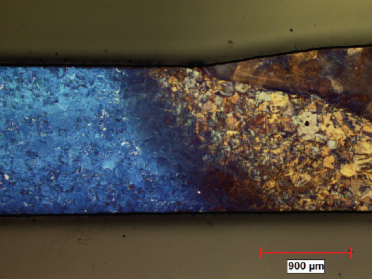
“We examined the welding of the tanks in a similar fashion, to look for ways they could be improved,” says Tommaso.
They produced a full metallurgical analysis of the welds, and came up with new protocols to improve their microstructure – the improved tanks standing up to more than twice their intended operating pressures.
“For the tanks as a whole we sought to quantify the residual stresses introduced as part of the manufacturing process, potentially making them more vulnerable to other sources of damage during their lifetime.”
A successful payoff
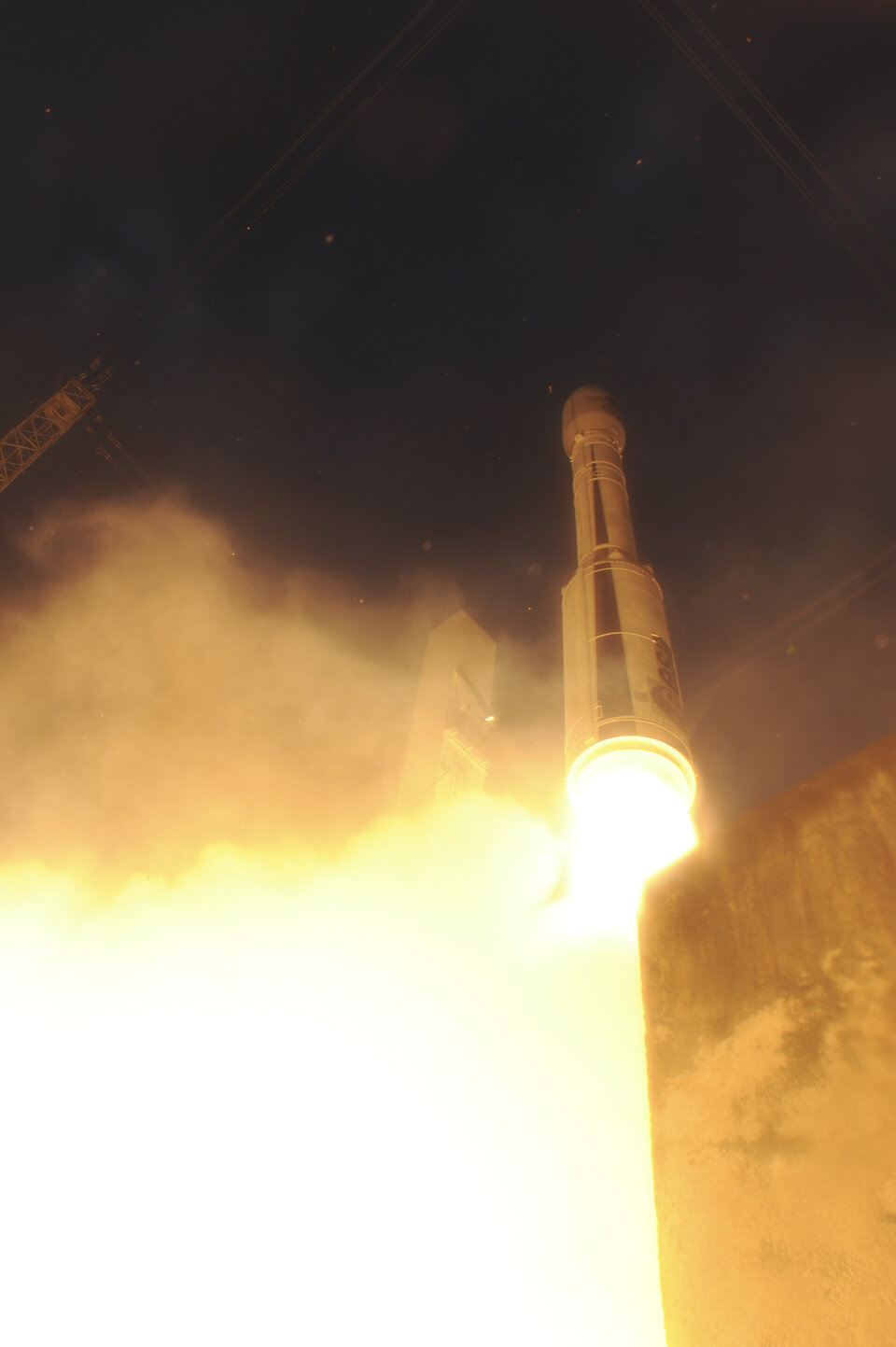
After close cooperation with the Vega team, the ESTEC specialists enjoyed the satisfaction of a job well done as the Vega launcher soared into orbit – the first of many to come.
“I’m grateful to the ESTEC experts for their intense, responsive and proactive support to the Vega team,” comments Stefano Bianchi, ESA’s Vega programme manager.
“The success of the maiden flight is the success of our Agency's technical expertise and rigour.”