• → European Space Agency

      • Space for Europe
      • Space News
      • Space in Images
      • Space in Videos
    • About Us

      • Welcome to ESA
      • DG's News and Views
      • For Member State Delegations
      • Business with ESA
      • ESA Exhibitions
      • ESA Publications
      • Careers at ESA
    • Our Activities

      • Space News
      • Observing the Earth
      • Human Spaceflight
      • Launchers
      • Navigation
      • Space Science
      • Space Engineering
      • Operations
      • Technology
      • Telecommunications & Integrated Applications
    • For Public

    • For Media

    • For Educators

    • For Kids

    • ESA

    • Space Science

    • Our Universe
    • About Space Science
    • ESA's 'Cosmic Vision'
    • Science missions
    • Mission navigator
    • Target groups
    • For Media
    • For Scientists
    • For Kids
    • Multimedia
    • Science images
    • Science videos
    • Animations
    • Downloads
    • Sounds from space
    • Resources
    • Reference section
    • Services
    • FAQs
    • Glossary
    • Help
    • Portal terms of use
    • Comments
    • ESA Press Releases
    • Follow us
    • RSS feeds
    • ESA Sci on Twitter
    • ESA Space Science Images on Flickr
    • ESA 3D on Flickr

    ESA > Our Activities > Space Science

    20 February

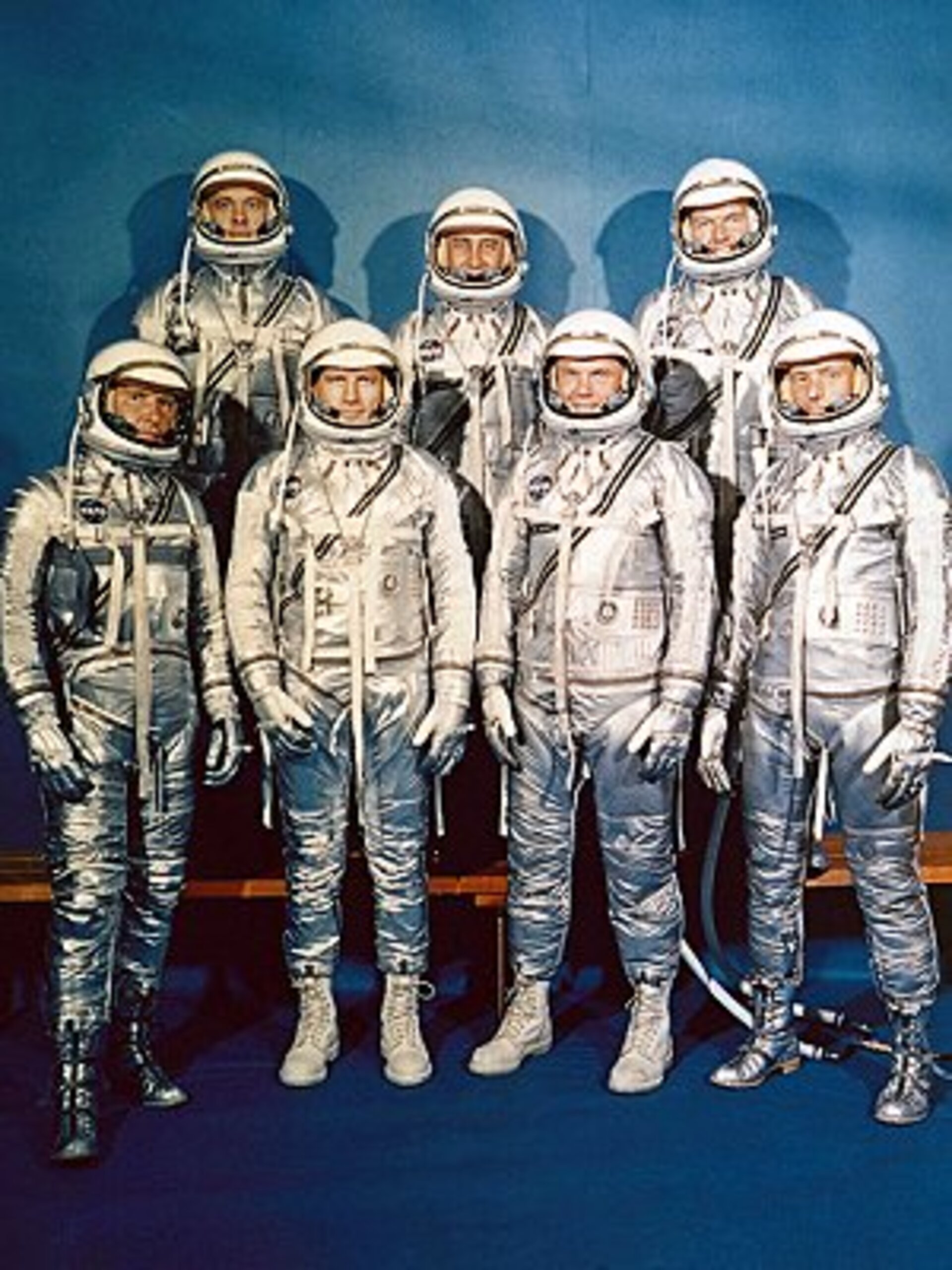
    NASA's Mercury astronauts
    The 'Mercury Seven'

    1962: On 20 February 1962, US Marine Colonel John Glenn became the first American to orbit Earth.

    Glenn was one of the original NASA 'Mercury Seven' astronauts who piloted the Mercury-Atlas 6 spacecraft, 'Friendship 7', on the first US manned orbital mission. Launched from Kennedy Space Center, Florida, he completed three orbits around Earth, at a maximum altitude of about 162 miles and an orbital speed of about 26 000 kilometres per hour.


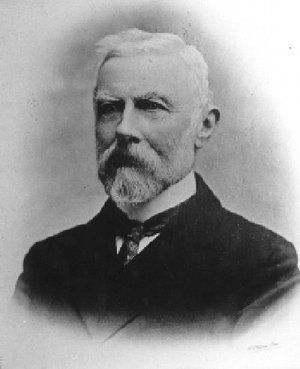
    1928 On 20 February 1928, Antonio Abetti died.

    Abetti was an Italian astronomer who was an authority on minor planets, or 'asteroids'. He was born on 19 June 1846. At first a civil engineer, he became an astronomer at the University of Padua (1868-93), with an interest in positional astronomy and made many observations of small planets, comets and star occultations.

    In 1874, Abetti went to Muddapur, Bengal, to observe the transit of Venus across the Sun's disk where his use of a spectroscope was the first use of this kind. Later, he became director at the Arcetti Observatory and Professor of Astronomy at the University of Florence.
    Rate this

    Views

    Share

    • Currently 0 out of 5 Stars.
    • 1
    • 2
    • 3
    • 4
    • 5
    Rating: 0/5 (0 votes cast)

    Thank you for rating!

    You have already rated this page, you can only rate it once!

    Your rating has been changed, thanks for rating!

    2
    facebook
    twitter
    reddit
    google plus
    digg
    tumbler
    digg
    blogger
    myspace
    • Today in space history
      • 19 February
        • 18 February
          • 17 February
            • 16 February
              • 15 February
                • 14 February
                  • 13 February
                  • Related links
                    • A history of European space science

    Connect with us

    • RSS
    • Youtube
    • Twitter
    • Flickr
    • Google Buzz
    • Subscribe
    • App Store
    • ESA Science Twitter

    Follow ESA science

    • LATEST ARTICLES
    • · CryoSat hits land
    • · Ariane 5 completes seven launches …
    • · Measuring skull pressure without t…
    • · Malargüe station inauguration
    • · The solar wind is swirly
    • FAQ

    • Jobs at ESA

    • Site Map

    • Contacts

    • Terms and conditions