• → European Space Agency

      • Space for Europe
      • Space News
      • Space in Images
      • Space in Videos
    • About Us

      • Welcome to ESA
      • DG's News and Views
      • For Member State Delegations
      • Business with ESA
      • ESA Exhibitions
      • ESA Publications
      • Careers at ESA
    • Our Activities

      • Space News
      • Observing the Earth
      • Human Spaceflight
      • Launchers
      • Navigation
      • Space Science
      • Space Engineering
      • Operations
      • Technology
      • Telecommunications & Integrated Applications
    • For Public

    • For Media

    • For Educators

    • For Kids

    • ESA

    • Space Science

    • Our Universe
    • About Space Science
    • ESA's 'Cosmic Vision'
    • Science missions
    • Mission navigator
    • Target groups
    • For Media
    • For Scientists
    • For Kids
    • Multimedia
    • Science images
    • Science videos
    • Animations
    • Downloads
    • Sounds from space
    • Resources
    • Reference section
    • Services
    • FAQs
    • Glossary
    • Help
    • Portal terms of use
    • Comments
    • Follow us
    • RSS feeds
    • ESA Sci on Twitter
    • ESA Space Science Images on Flickr
    • ESA 3D on Flickr

    ESA > Our Activities > Space Science

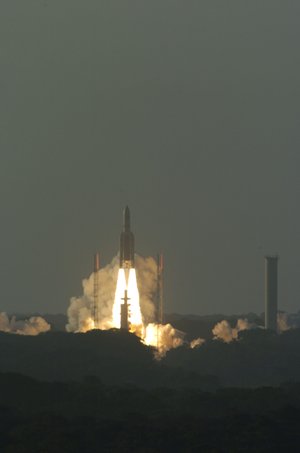
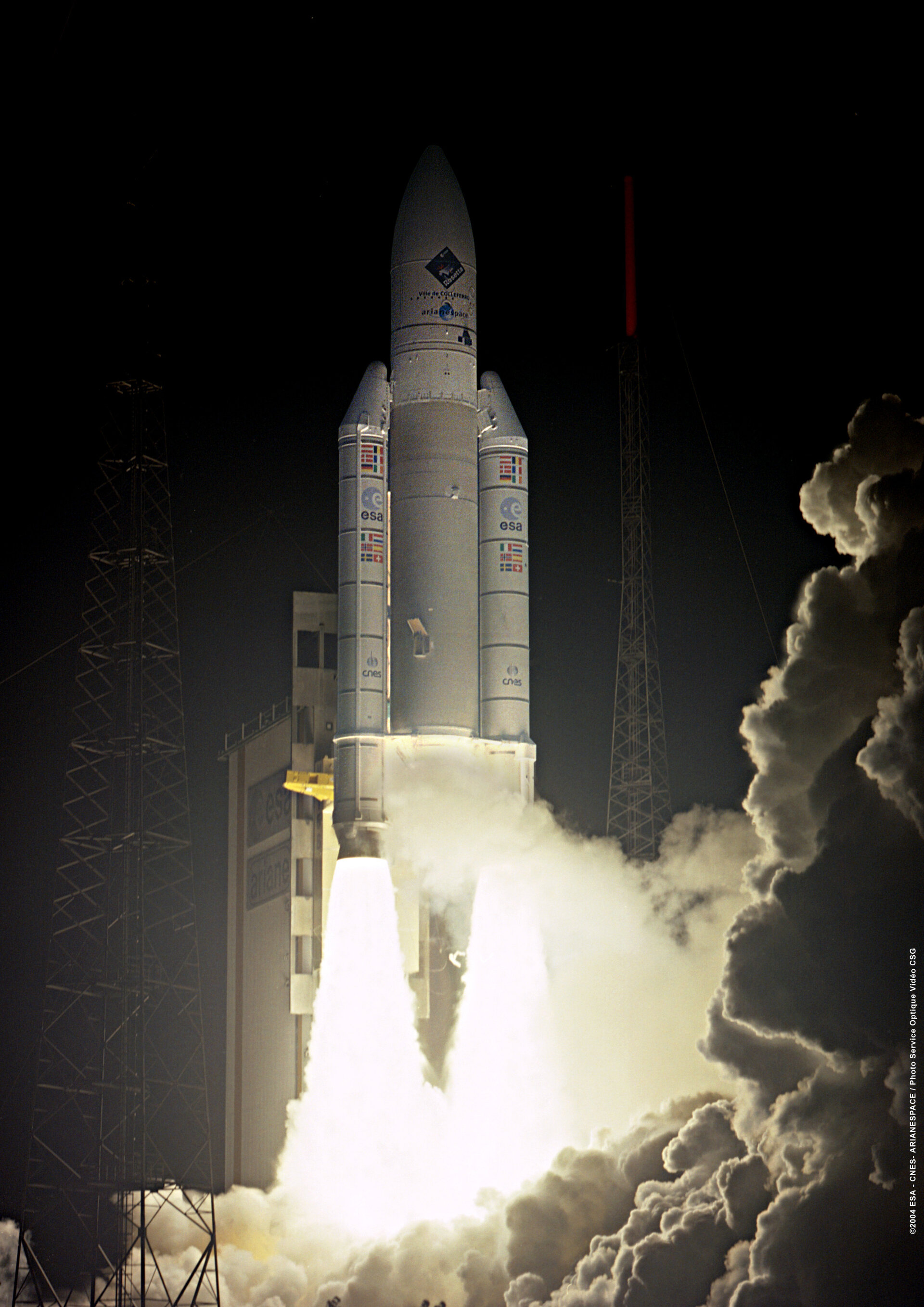
    Rosetta liftoff

    2 March

    2004: On 2 March 2004, ESA's comet chaser, Rosetta, was launched.

    Rosetta was launched into an orbit around the Sun, which will allow it to reach the comet 67P/Churyumov-Gerasimenko in 2014 after three flybys of the Earth and one of Mars.

    Rosetta is the first probe designed to enter orbit around a comet’s nucleus and release a lander onto its surface. For over a year it will conduct a thorough study of this remnant of the primitive nebula which gave birth to our Solar System about 5000 million years ago.

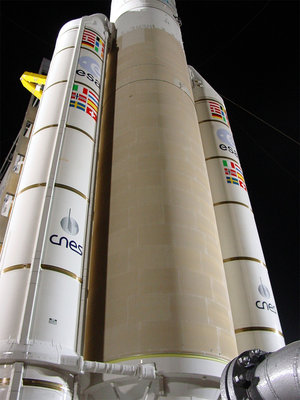
    Rosetta’s mission began at 08:17 CET (07:17 UT) on 2 March when a European Ariane 5 launch vehicle lifted off from the Guiana Space Centre, Europe’s spaceport in Kourou, French Guiana. The launcher successfully placed its upper stage and payload into an eccentric coast orbit (200 x 4000 km). About two hours later, at 10:14 CET (09:14 UT), the upper stage ignited its own engine to reach an escape velocity in order to leave the Earth’s gravity field and enter heliocentric orbit. The Rosetta probe was released 18 minutes later.

    Rate this

    Views

    Share

    • Currently 5 out of 5 Stars.
    • 1
    • 2
    • 3
    • 4
    • 5
    Rating: 5/5 (1 votes cast)

    Thank you for rating!

    You have already rated this page, you can only rate it once!

    Your rating has been changed, thanks for rating!

    154
    Tweet
    • Today in space history
      • 1 March
        • 28 February
          • 27 February
            • 26 February
              • 25 February
                • 24 February
                  • 23 February
                  • Related links
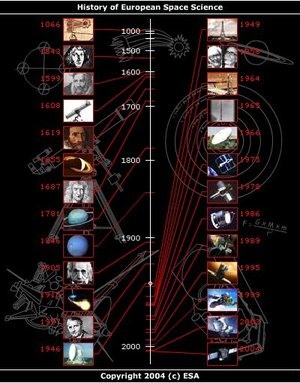
                    • A history of European space science

    Connect with us

    • RSS
    • Youtube
    • Twitter
    • Flickr
    • G+
    • Facebook
    • Livestream
    • Subscribe
    • App Store
    • ESA Science Twitter

    Follow ESA science

    • LATEST ARTICLES
    • · Proba-V opens its eyes
    • · First new Galileo satellite arrive…
    • · Next destination: space
    • · Leak repaired on International Spa…
    • · After Chelyabinsk: European expert…
    • FAQ

    • Jobs at ESA

    • Site Map

    • Contacts

    • Terms and conditions