• → European Space Agency

      • Space for Europe
      • Space News
      • Space in Images
      • Space in Videos
    • About Us

      • Welcome to ESA
      • DG's News and Views
      • For Member State Delegations
      • Business with ESA
      • ESA Exhibitions
      • ESA Publications
      • Careers at ESA
    • Our Activities

      • Space News
      • Observing the Earth
      • Human Spaceflight
      • Launchers
      • Navigation
      • Space Science
      • Space Engineering
      • Operations
      • Technology
      • Telecommunications & Integrated Applications
    • For Public

    • For Media

    • For Educators

    • For Kids

    • ESA

    • Space Science

    • Our Universe
    • About Space Science
    • ESA's 'Cosmic Vision'
    • Science missions
    • Mission navigator
    • Target groups
    • For Media
    • For Scientists
    • For Kids
    • Multimedia
    • Science images
    • Science videos
    • Animations
    • Downloads
    • Sounds from space
    • Resources
    • Reference section
    • Services
    • FAQs
    • Glossary
    • Help
    • Portal terms of use
    • Comments
    • Follow us
    • RSS feeds
    • ESA Sci on Twitter
    • ESA Space Science Images on Flickr
    • ESA 3D on Flickr

    ESA > Our Activities > Space Science

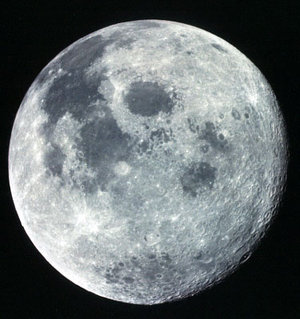
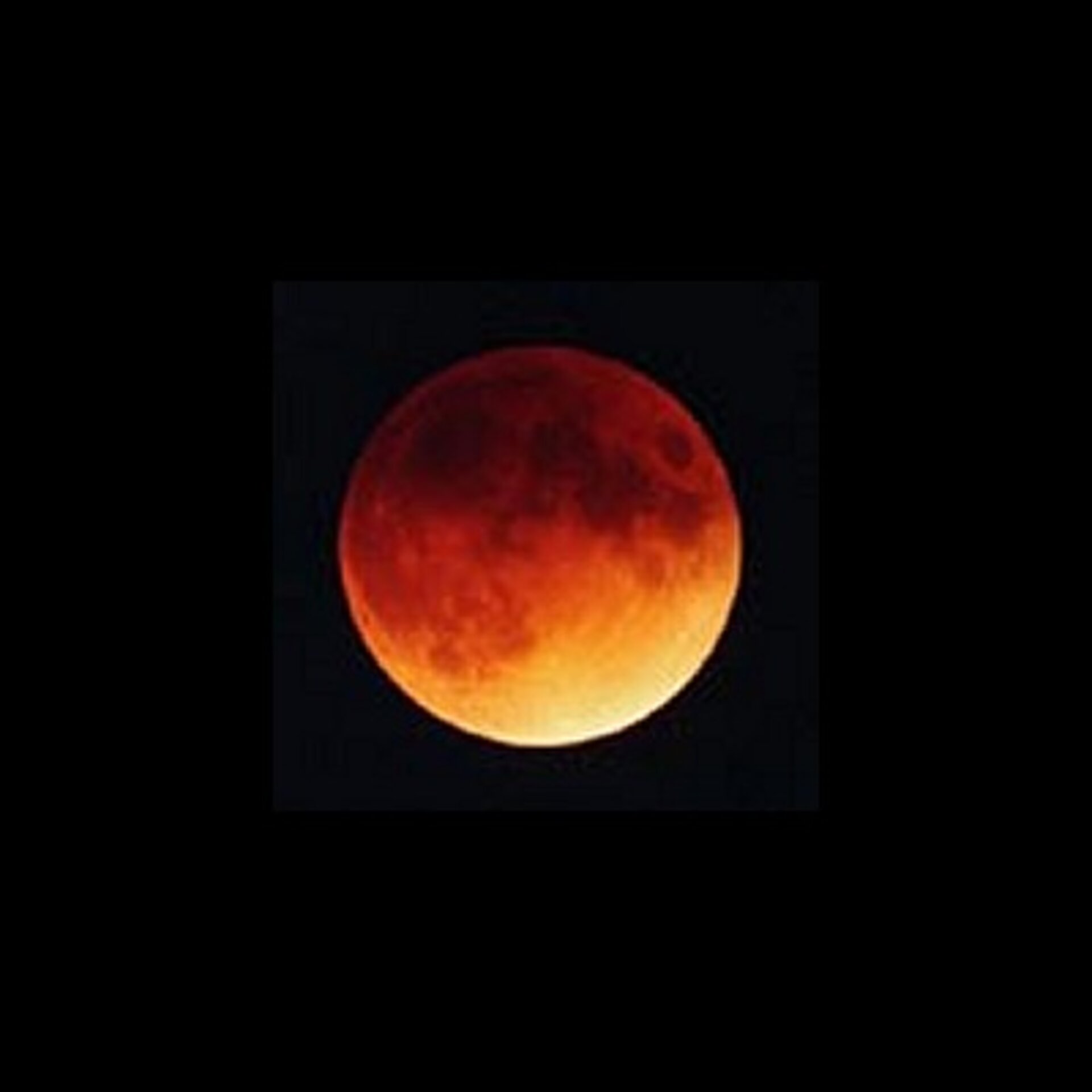
    Blood-red Moon

    Lunar eclipse
    Lunar eclipse
    4 May 2004

    ESA's SMART-1 spacecraft has just made its 278th orbit, in good health and with all functions performing nominally, but its target is expected to turn blood-red in the evening of 4 May!

    SMART-1's electric propulsion system (or ‘ion drive’) is being used now to increase the highest point of SMART-1’s orbit to get closer to the Moon.

    The ion engine is still performing very well, and its operation was resumed in February after it was switched off for a period of three weeks to allow instrument commissioning activities to take place.

    The spacecraft then entered a 'season' of long eclipses, due to the alignment of the Sun and Earth. This was not necessarily a problem except that, when the spacecraft was in the umbra it could not receive light on its solar panels to produce power. Although the power system was tested to the limit, the spacecraft performed excellently.

    The eclipse season for SMART-1 is now over but, on Tuesday evening, 4 May 2004, skywatchers throughout Australia, Asia, Europe, Africa and South America will be able to see an total lunar eclipse for themselves. The full Moon will pass through the Earth's shadow, producing a total lunar eclipse.

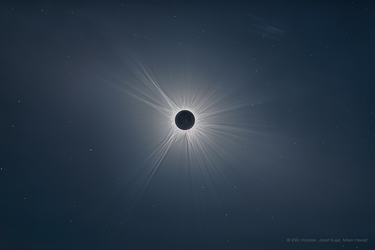
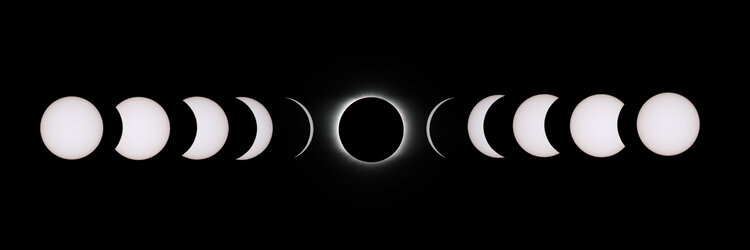
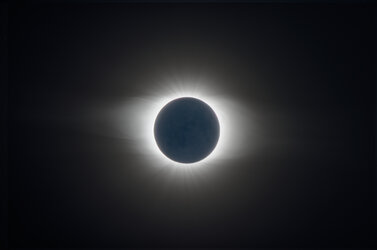
    A total lunar eclipse occurs when the Sun, Earth and Moon form a near-straight line in space, so that the full Moon passes through Earth’s shadow. Unlike a solar eclipse, which requires special equipment to observe safely, you can watch a lunar eclipse with the naked eye.

    The most impressive part starts when the Moon's leading edge first enters the main shadow (umbra), and the partial eclipse begins. Over the next hour or so, the Moon will slip into darkness. The total eclipse begins when the Moon is fully inside the umbra.

    However, the totally eclipsed Moon will not be completely blacked out. It should still be visible as a dark gray or brown-red disk. This colour is caused by sunlight scattered in our atmosphere. Its brightness depends on the amount of dust in Earth's upper atmosphere at the time, which influences how much sunlight filters through.

    The total phase of this eclipse will last for more than an hour. For observers in Europe, the Moon will be low in the sky, just above the eastern horizon. The eclipse starts at 19:51 CEST, and ends at 01:09 CEST on 5 May. The total eclipse lasts from 21:52 to 23:08 CEST.


    SMART-1 artist's impression
    Artist's impression of SMART-1

    Rate this

    Views

    Share

    • Currently 0 out of 5 Stars.
    • 1
    • 2
    • 3
    • 4
    • 5
    Rating: 0/5 (0 votes cast)

    Thank you for rating!

    You have already rated this page, you can only rate it once!

    Your rating has been changed, thanks for rating!

    50
    Tweet
    • More about...
      • SMART-1
      • Related articles
        • Ion drives: Science fiction or science fact?
          • Gone to the Moon...
            • The science of eclipses
              • What is an eclipse?
                • The eclipse in history
                • Related links
                • Status reports

    Connect with us

    • RSS
    • Youtube
    • Twitter
    • Flickr
    • G+
    • Facebook
    • Livestream
    • Subscribe
    • App Store
    • ESA Science Twitter

    Follow ESA science

    • LATEST ARTICLES
    • · ESA astronaut Timothy Peake set fo…
    • · Space drives e-mobility
    • · Proba-V opens its eyes
    • · First new Galileo satellite arrive…
    • · Next destination: space
    • FAQ

    • Jobs at ESA

    • Site Map

    • Contacts

    • Terms and conditions