• → European Space Agency

      • Space for Europe
      • Space News
      • Space in Images
      • Space in Videos
    • About Us

      • Welcome to ESA
      • DG's News and Views
      • For Member State Delegations
      • Business with ESA
      • ESA Exhibitions
      • ESA Publications
      • Careers at ESA
    • Our Activities

      • Space News
      • Observing the Earth
      • Human Spaceflight
      • Launchers
      • Navigation
      • Space Science
      • Space Engineering
      • Operations
      • Technology
      • Telecommunications & Integrated Applications
    • For Public

    • For Media

      • Media
      • ESA TV
      • Videos for professionals
      • Photos
    • For Educators

    • For Kids

    • ESA

    • Space Science

    • Our Universe
    • About Space Science
    • ESA's 'Cosmic Vision'
    • Science missions
    • Mission navigator
    • Target groups
    • For Media
    • For Scientists
    • For Kids
    • Multimedia
    • Science images
    • Science videos
    • Animations
    • Downloads
    • Sounds from space
    • Resources
    • Reference section
    • Services
    • FAQs
    • Glossary
    • Help
    • Portal terms of use
    • Comments
    • Follow us
    • RSS feeds
    • ESA Sci on Twitter
    • ESA Space Science Images on Flickr
    • ESA 3D on Flickr

    ESA > Our Activities > Space Science

    First light for Europe's virtual observatory

    Astrophysical Virtual Observatory (AVO)
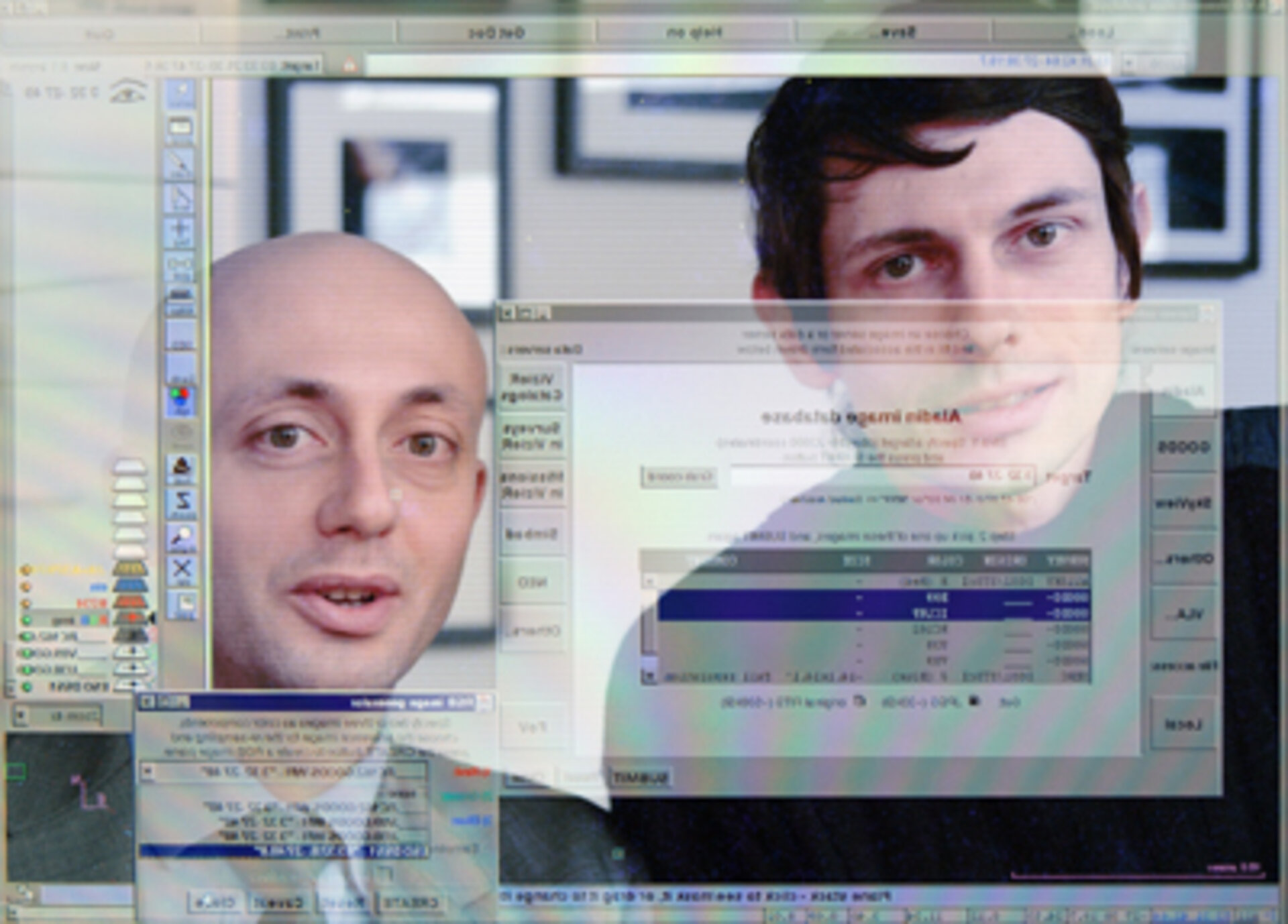
    Two of the driving forces behind AVO
    17 December 2002

    Imagine you are an astronomer with instant, fingertip access to all existing observations of a given object and the opportunity to sift through them at will. In just a few moments, you can have information on all kinds about objects out of catalogues all over the world, including observations taken at different times.

    Over the next two years this scenario will become reality as Europe's Astrophysical Virtual Observatory (AVO) develops. Established only a year ago, the AVO already offers astronomers a unique, prototype research tool that will lead the way to many outstanding new discoveries.

    Journalists are invited to a live demonstration of the capabilities of this exciting new initiative in astronomy. The demonstration will take place at the Jodrell Bank Observatory in Manchester, in the United Kingdom, on 20 January 2003, starting at 11:00. Sophisticated AVO tools will help scientists find the most distant supernovae - objects that reveal the cosmological makeup of our Universe. The tools are also helping astronomers measure the rate of birth of stars in extremely red and distant galaxies.

    Journalists will also have the opportunity to discuss the project with leading astronomers from across Europe.

    The new AVO website has been launched today, explaining the progress being made in this European Commission-funded project:

    http://www.euro-vo.org/

    To register your intention to attend the AVO First Light Demonstration, please provide your name and affiliation by 13 January 2003 to: Ian Morison, Jodrell Bank Observatory (see Press contacts). Information on getting to the event is included on the website above.

    Programme for the AVO First-Light Demonstration

    11:00 Welcome, Phil Diamond (University of Manchester/Jodrell Bank Observatory)
    11:05 Short introduction to Virtual Observatories, Piero Benvenuti (ESA/ST-ECF)
    11:15 Q&A
    11:20 Short introduction to the Astrophysical Virtual Observatory, Peter Quinn (ESO)
    11:30 Q&A
    11:35 Screening of Video News Release
    11:40 Demonstration of the AVO prototype, Nicholas Walton (University of Cambridge)
    12:00 Q&A, including interview possibilities with the scientists
    12:30-13:45 Buffet lunch, including individual hands-on demos
    14:00 Science Demo (also open to interested journalists)

    For more information about Virtual Observatories and the AVO, see the website or the attached fact sheets.

    Rate this

    Views

    Share

    • Currently 0 out of 5 Stars.
    • 1
    • 2
    • 3
    • 4
    • 5
    Rating: 0/5 (0 votes cast)

    Thank you for rating!

    You have already rated this page, you can only rate it once!

    Your rating has been changed, thanks for rating!

    1
    Tweet

    Connect with us

    • RSS
    • Youtube
    • Twitter
    • Flickr
    • G+
    • Facebook
    • Livestream
    • Subscribe
    • App Store
    • ESA Science Twitter

    Follow ESA science

    • LATEST ARTICLES
    • · Rare merger reveals secrets of gal…
    • · Watching for hazards: ESA opens as…
    • · ESA astronaut Timothy Peake set fo…
    • · Space drives e-mobility
    • · Proba-V opens its eyes
    • FAQ

    • Jobs at ESA

    • Site Map

    • Contacts

    • Terms and conditions